
Last updated September 22, 2026
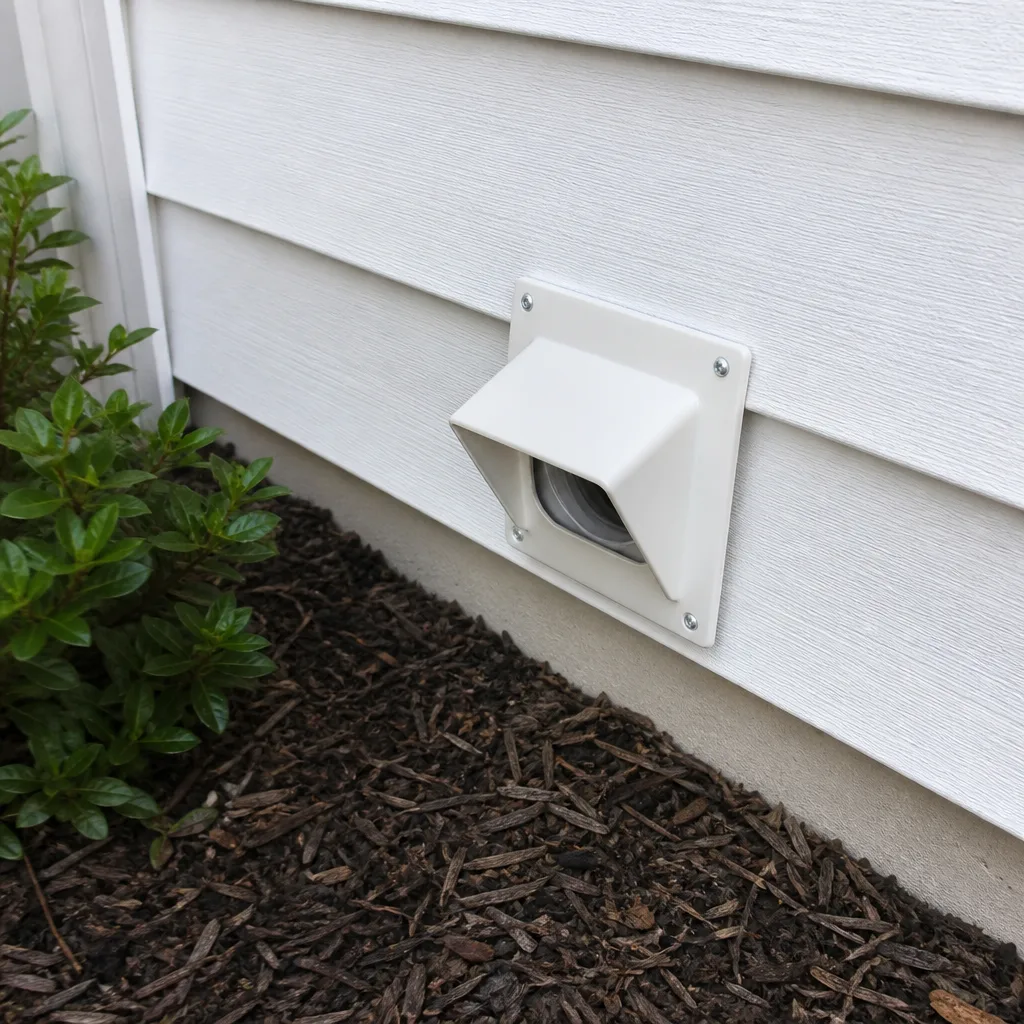
Whole-system duct and dryer vent check with before-and-after photos - you see exactly what came out of your vents
That "$99 whole-house special" is a bait ad - the real number appears once they are in your hallway, or the "clean" is a shop-vac at the register. We photograph the inside of your ducts before and after instead.
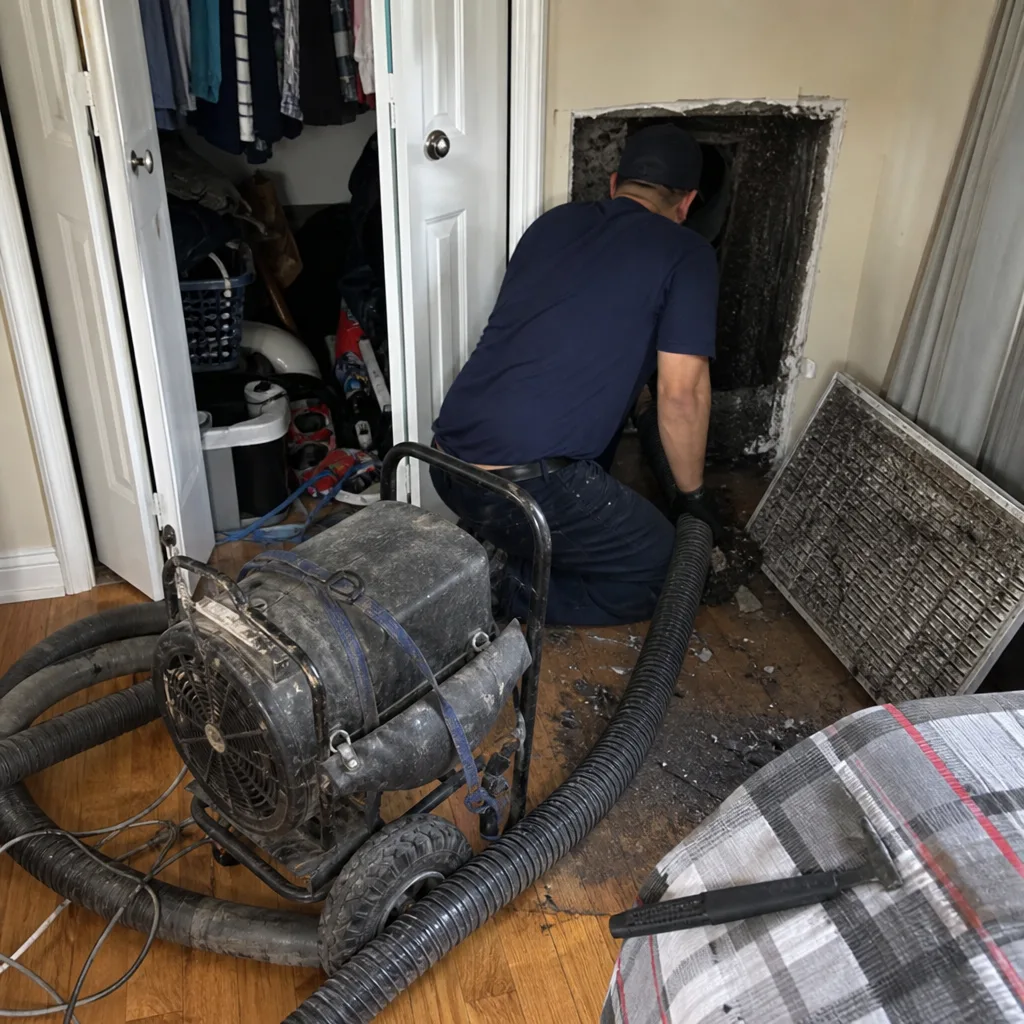 Before
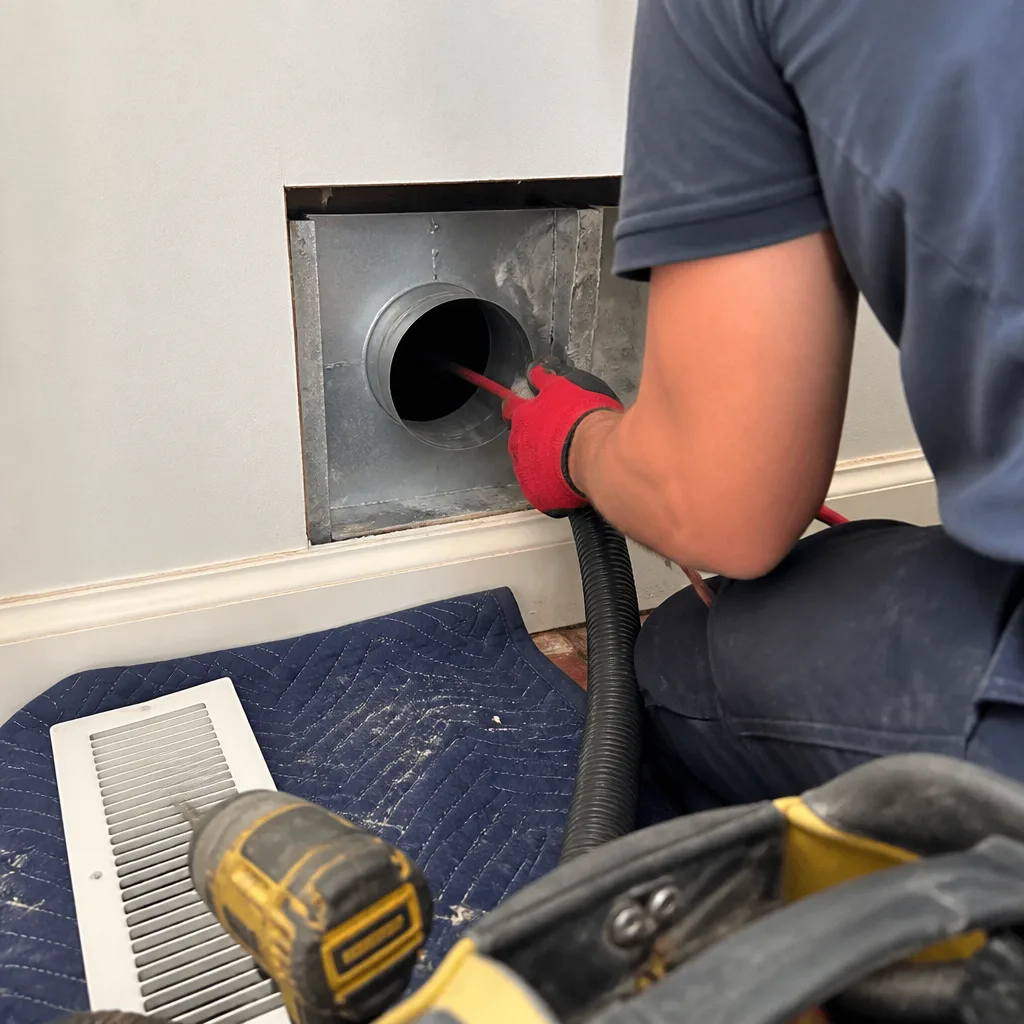 After
After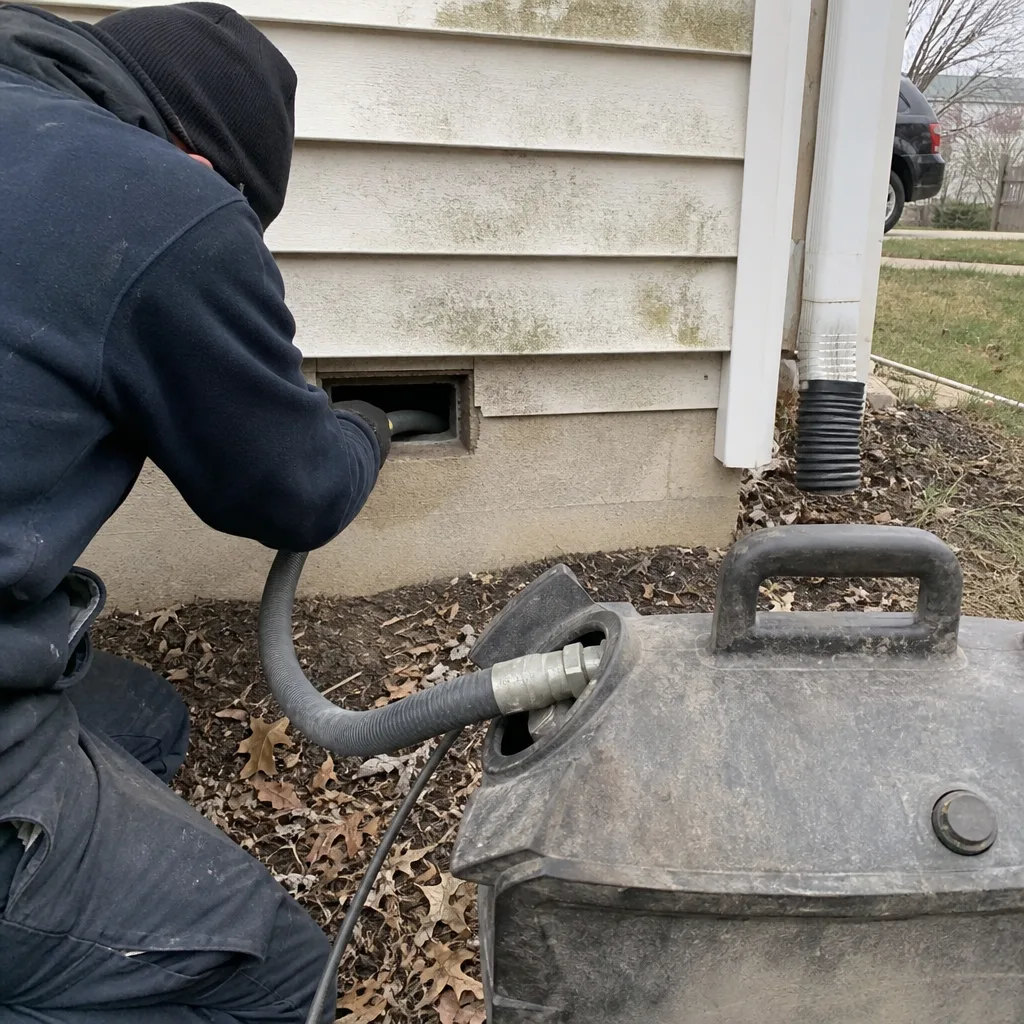 Before
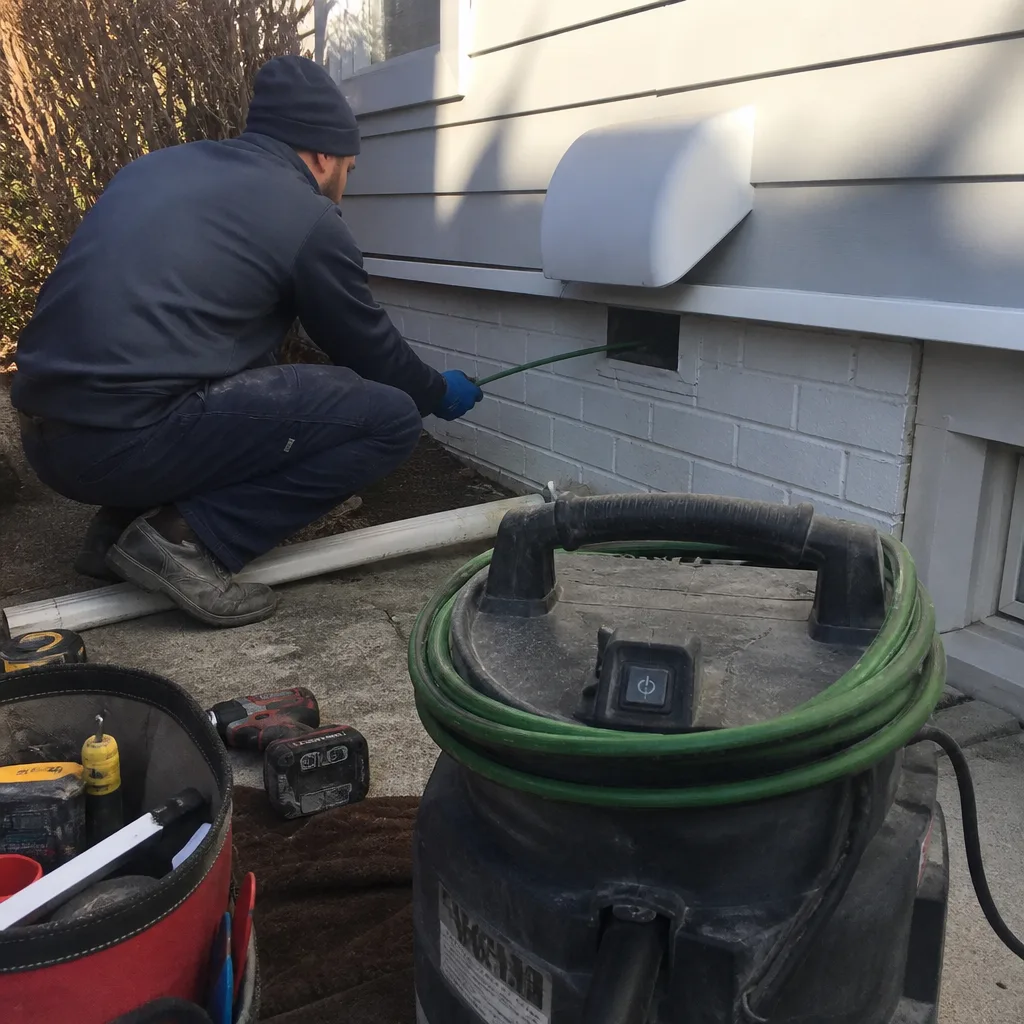 After
After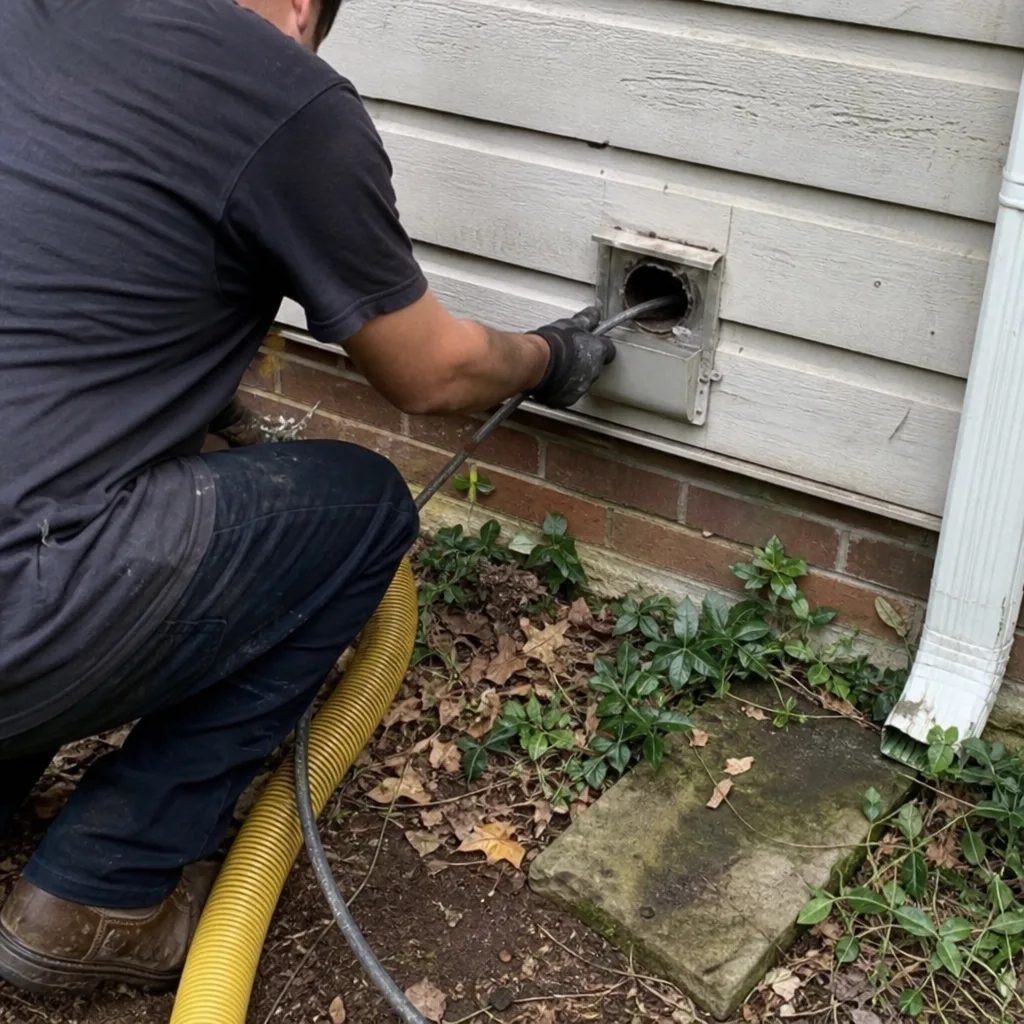 Before
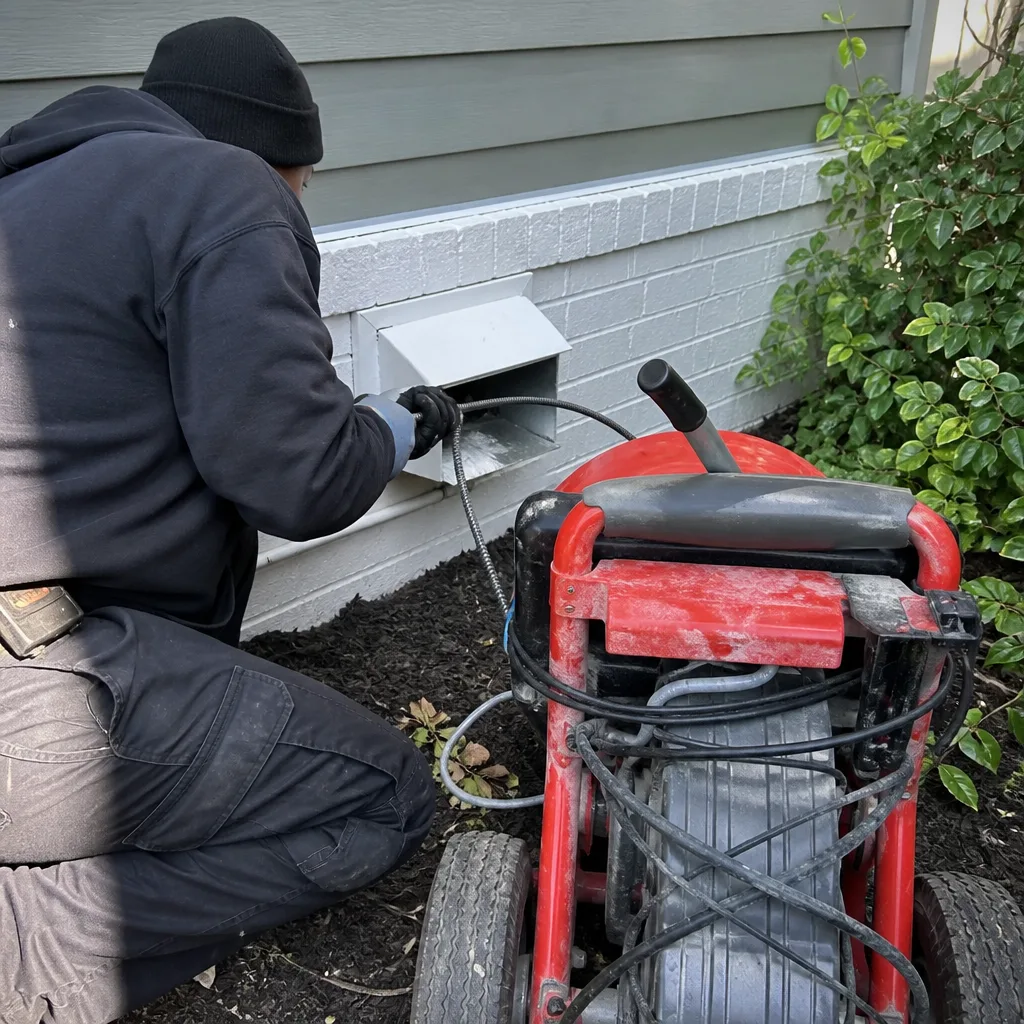 After
AfterThe Complete Guide to Air Duct Cleaning in Ashburn
Here’s something most Ashburn homeowners don’t know: the EPA explicitly states that air duct cleaning should not be performed on a routine schedule. Yet drive through Brambleton or Ashburn Village and you’ll find mailers implying annual service is standard maintenance. The evidence tells a different story. In this guide, we’ll show you what legitimate our Air Duct Cleaning services actually involves, what the inside of a typical Ashburn colonial’s ductwork looks like after 10-20 years, and how to tell whether a company delivered real work or just vacuum noise. You’ll learn what equipment does the job, what contaminants we find in Loudoun County homes, and why a photo record matters more than any verbal promise.
Quick Answer
Air duct cleaning in Ashburn typically costs $400-$900 for a complete residential system, takes 3-5 hours, and should only be performed when there is visible contamination, verifiable airflow restriction, or post-construction debris. A legitimate cleaning uses negative-pressure extraction with a HEPA-filtered collection unit, rotary contact brushes, and documented before-and-after photography of every duct run. The $79 coupon services that dominate Ashburn mailers do not meet NADCA’s ACR standard and leave most debris in place.
Table of Contents
- What Legitimate Air Duct Cleaning Actually Involves
- What’s Actually Inside Ashburn Ductwork
- Why Duct Material Matters for Cleaning
- Equipment That Separates Real Work From Vacuum Noise
- The Photo Record: What Documentation Should Show
- What Air Duct Cleaning Costs in Ashburn
- When Cleaning Genuinely Matters (And When It Doesn’t)
- How to Choose a Duct Cleaning Company in Ashburn
BeforeAfterWhat Legitimate Air Duct Cleaning Actually Involves
Most homeowners picture a vacuum hose pushed into a register. That image is why so many Ashburn residents feel ripped off after a duct cleaning. NADCA’s ACR standard, the only recognized industry benchmark, requires a systematic process that protects the HVAC system while removing measurable debris. Here’s what that looks like in practice.
The NADCA ACR Standard: Step by Step
- System inspection and protection. The technician seals off the furnace or air handler to prevent debris from entering mechanical components. We cover the blower, coil, and heat exchanger with protective barriers.
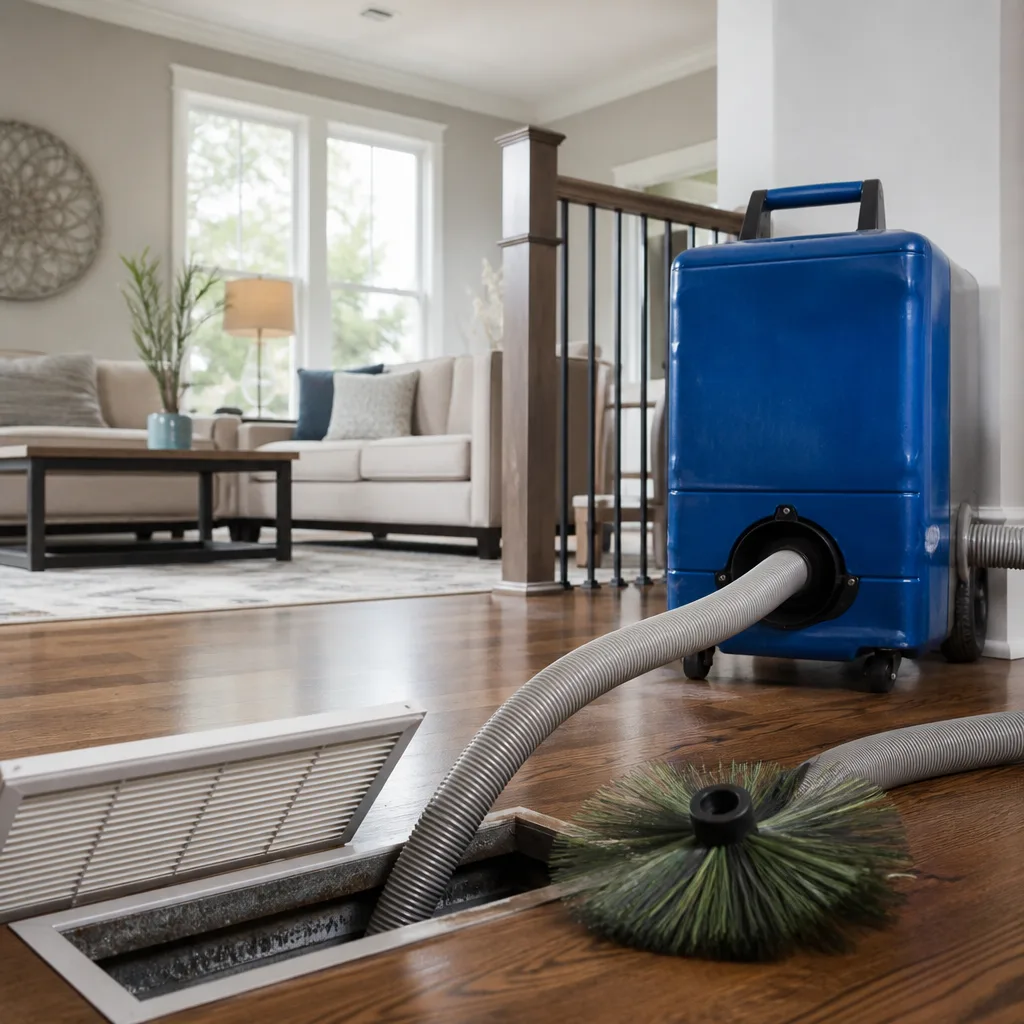
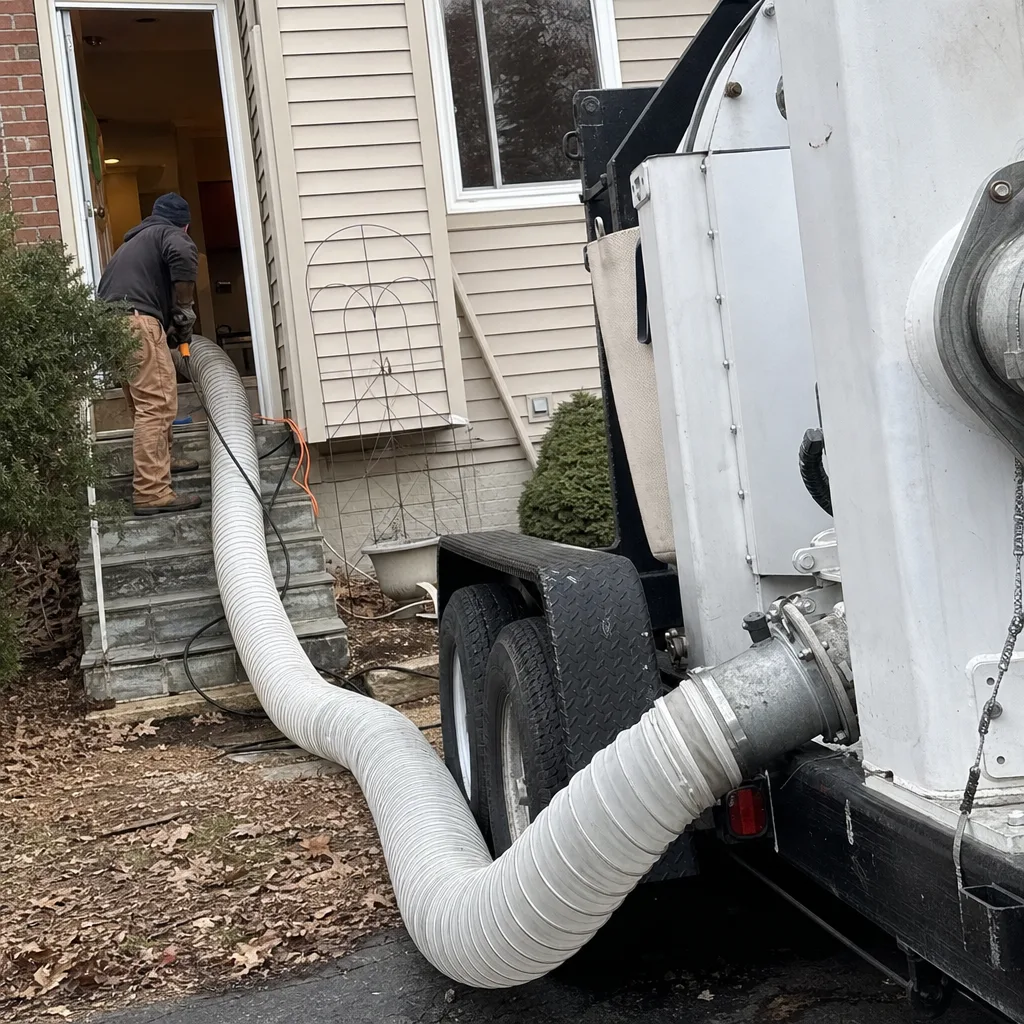
- Negative-pressure setup. A HEPA-filtered negative air machine, typically from Abatement Technologies or Nikro, connects to the main trunk line. This creates suction throughout the entire duct system, so dislodged debris moves toward the collection point rather than settling elsewhere.
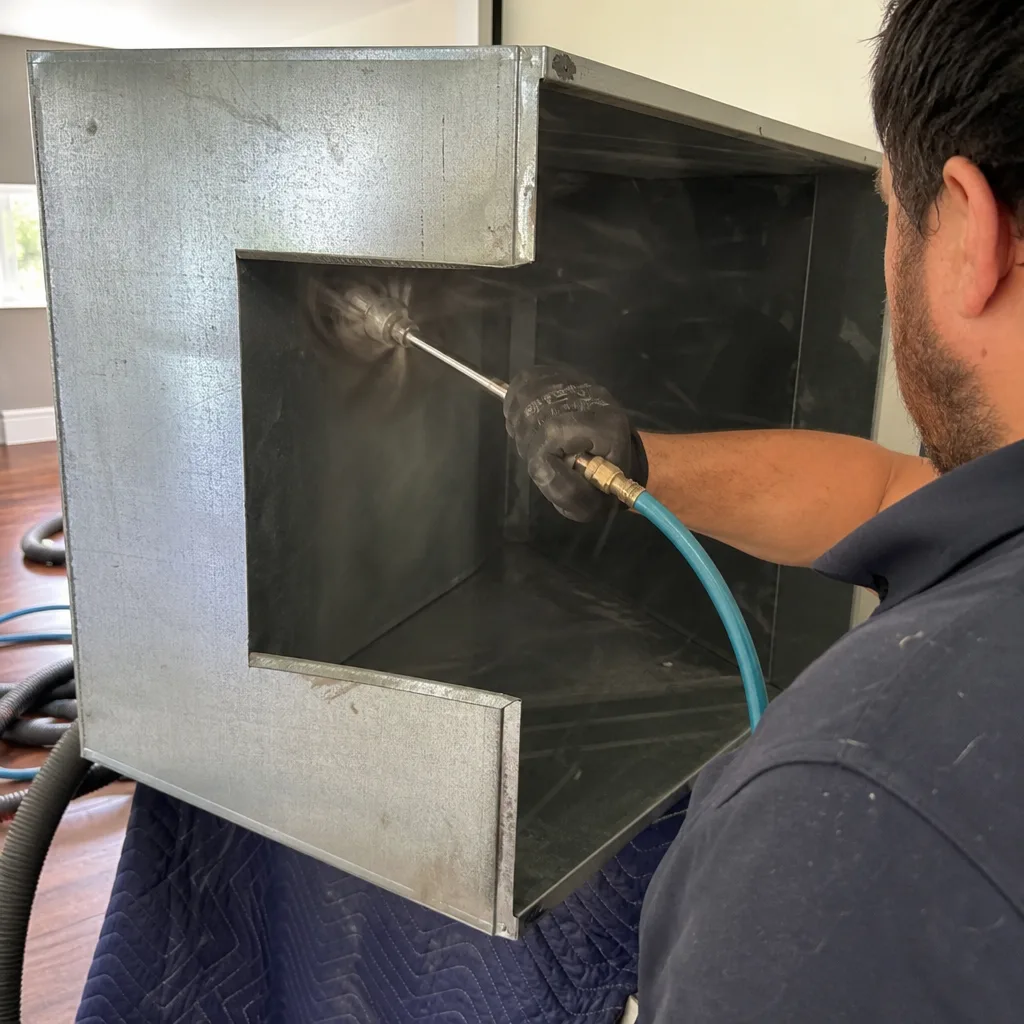
- Agitation and contact cleaning. Rotary brushes, like those from Rotobrush, physically contact the duct walls to break debris free. In sheet metal ducts, a powered brush with nylon or poly bristles works best. Flex duct requires softer agitation to avoid tearing the liner.
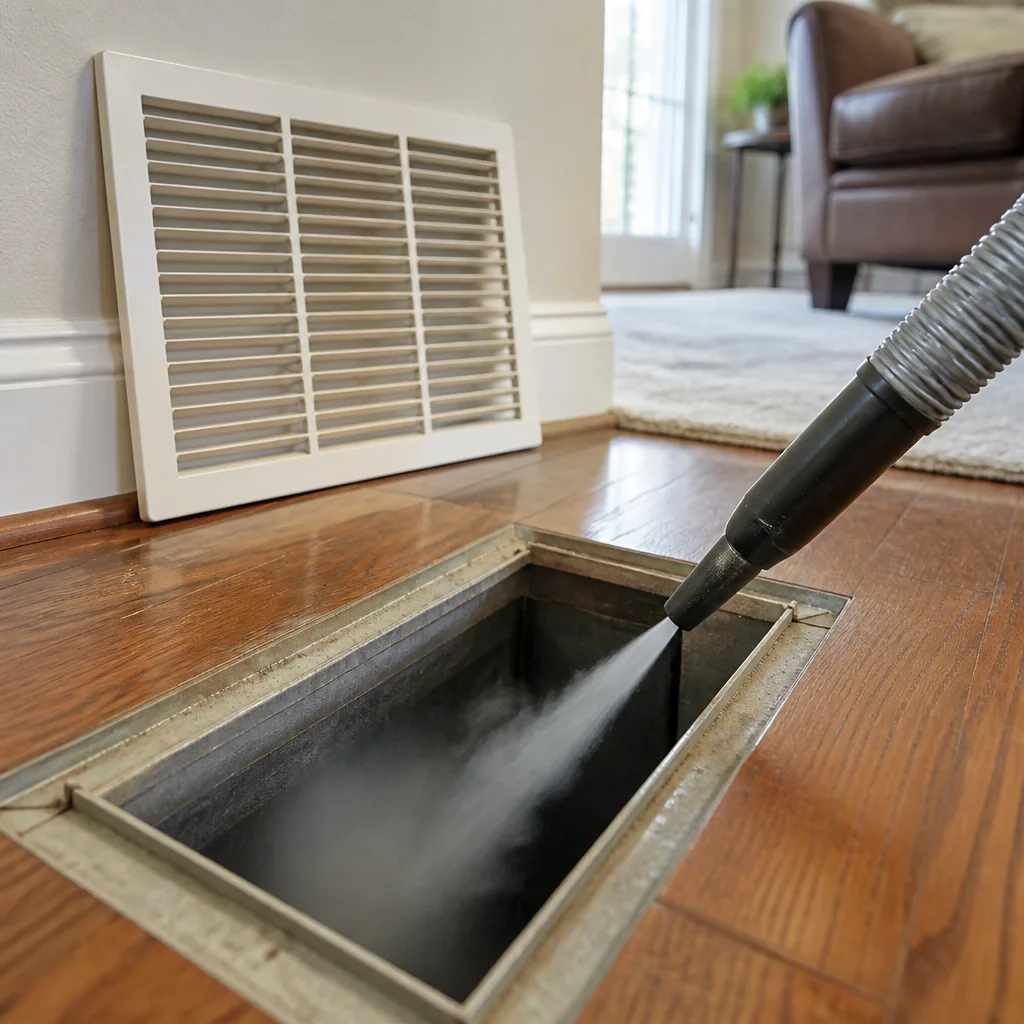
- Register and boot cleaning. Each supply and return register gets removed, cleaned with a contact vacuum, and reinstalled. The boot, the short connector between the register and main duct, is brushed and vacuumed separately.
- Post-cleaning verification. The system is run and inspected for proper operation. A legitimate company delivers a written scope of work and photographic documentation before leaving.
This process takes 3-5 hours for a typical 2,000-square-foot Ashburn home with a single HVAC system. The $79 coupon services that promise 45-minute visits skip steps 1, 2, and 5. They don’t create negative pressure, don’t protect your equipment, and don’t verify results.
At CleanRun, every job follows this protocol under Haven Standard Clause 1: Written Price Before Work Starts. The price you approve in writing is the price on the final invoice. No exceptions.
What’s Actually Inside Ashburn Ductwork
Ashburn’s housing stock creates a specific contamination profile that differs from older eastern cities or desert climates. Understanding what’s actually in your ducts helps you decide whether cleaning is warranted.
Construction Debris From the Building Boom
Ashburn’s explosive growth from 1990 through 2010 means most homes in neighborhoods like Ashburn Village, Brambleton, and Loudoun Valley Estates were built during peak tract-home production. During that era, ductwork often sat open during months of construction. We’ve photographed drywall dust, wood shavings, insulation scraps, and even fastener wrappers lodged at elbows and transitions. In one home off Belmont Ridge Road, the camera showed a 3-inch debris build-up at the first elbow in the main return, compacted hard enough to require powered agitation rather than suction alone.
This debris doesn’t stay put. Every time your blower cycles, airflow dislodges particles and carries them through registers. If your home was built between 1995 and 2010 and the ducts have never been cleaned, construction residue is likely your primary contaminant.
Cellulose Insulation Fibers
Many Ashburn attics were insulated with blown cellulose. Over years, thermal expansion and vibration can pull fibers into duct seams, especially at the plenum, the large box that connects your air handler to the duct trunk. Cellulose fibers are lightweight and travel far. We’ve found them coating evaporator coils, which reduces heat transfer efficiency and can trigger freeze-ups. The fibers themselves aren’t toxic, but they add particulate load to indoor air and provide a matrix that holds finer dust.
Mold and Microbial Growth
Northern Virginia’s humid summers create conditions for mold in ductwork, particularly in systems with oversized AC units that short-cycle and don’t dehumidify properly. Ashburn’s July and August humidity regularly exceeds 70% outdoor relative humidity, and poorly sealed crawl space or basement ducts can wick moisture through fiberboard or unsealed flex duct connections.
Mold in ducts is not automatically a health crisis. The EPA notes that no research has conclusively proven duct mold causes illness in healthy individuals. But visible mold growth on hard surfaces inside ducts is a legitimate reason for cleaning, followed by application of an EPA-registered antimicrobial. We use Guardsman-approved application protocols when microbial treatment is indicated, and we photograph the affected area before and after.
Pet Dander and Dust Mite Debris
Ashburn’s pet ownership rates are high, and dander accumulates in return ducts where air is drawn back to the air handler. This is normal household dust, not a system failure, but heavy accumulation can restrict airflow and provide food for dust mites. Cleaning reduces the reservoir, though it doesn’t eliminate the source.
Why Duct Material Matters for Cleaning
The ducts in your Ashburn home are built from one of three materials, and each responds differently to cleaning. Knowing what you have prevents damage and sets realistic expectations.
Sheet Metal Ducts
Sheet metal is the most durable and cleanable duct material. Found in older Ashburn homes and high-quality newer construction, metal ducts withstand aggressive rotary brushing and high-velocity vacuuming. Seams should be sealed with mastic, not tape, though we’ve found tape failing in many local homes. Metal ducts rarely support mold growth on their interior surfaces because they don’t absorb moisture. If your home has sheet metal, you can expect the most thorough cleaning with the least risk of damage.
Flex Duct
Flex duct, the ribbed plastic tube with fiberglass insulation between layers, dominates Ashburn’s 1990s and 2000s construction. It’s cheaper to install but presents cleaning challenges. The ribbed interior traps debris in valleys between spirals. Aggressive brushing can tear the plastic liner or compress the insulation, reducing duct diameter and airflow. We use softer rotary brushes with controlled torque and verify no damage with our camera after cleaning. Flex duct also has more seams and connection points where leaks occur, pulling attic or crawl space air into the system.
In Ashburn’s humid climate, flex duct’s fiberglass insulation layer can absorb moisture if the vapor barrier is compromised. We’ve replaced flex duct runs in homes near the Beaverdam Reservoir area where condensation degraded the insulation over years.
Fiberboard Duct Board
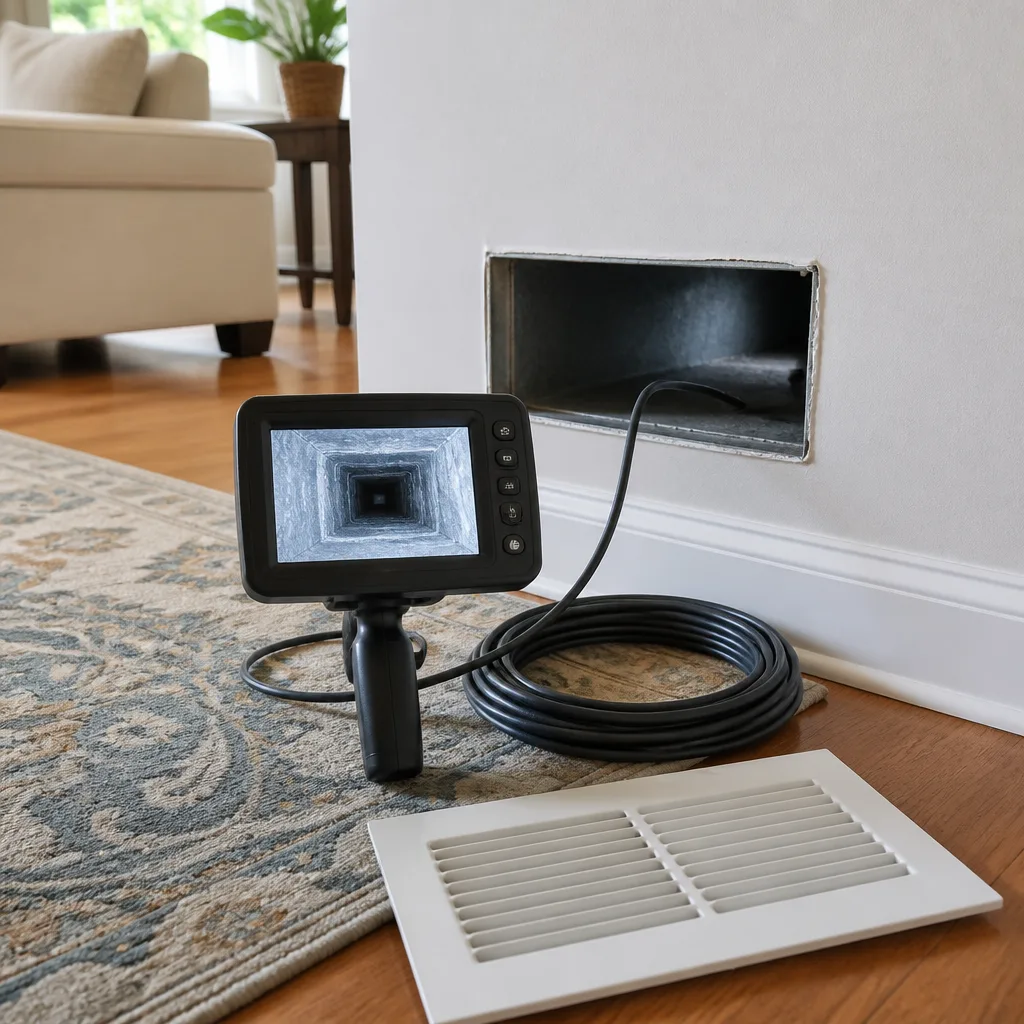
Fiberboard, a pressed fiberglass product with a foil facing, appears in some Ashburn townhomes and as plenum boxes even when branch runs are metal or flex. The rough, porous surface holds debris tenaciously and can be damaged by aggressive contact cleaning. Mold can colonize the surface if moisture is present, and because fiberboard is porous, surface cleaning may not fully address the issue. In severe cases, replacement is more appropriate than cleaning. We assess fiberboard condition with borescope cameras before quoting any work.
Equipment That Separates Real Work From Vacuum Noise
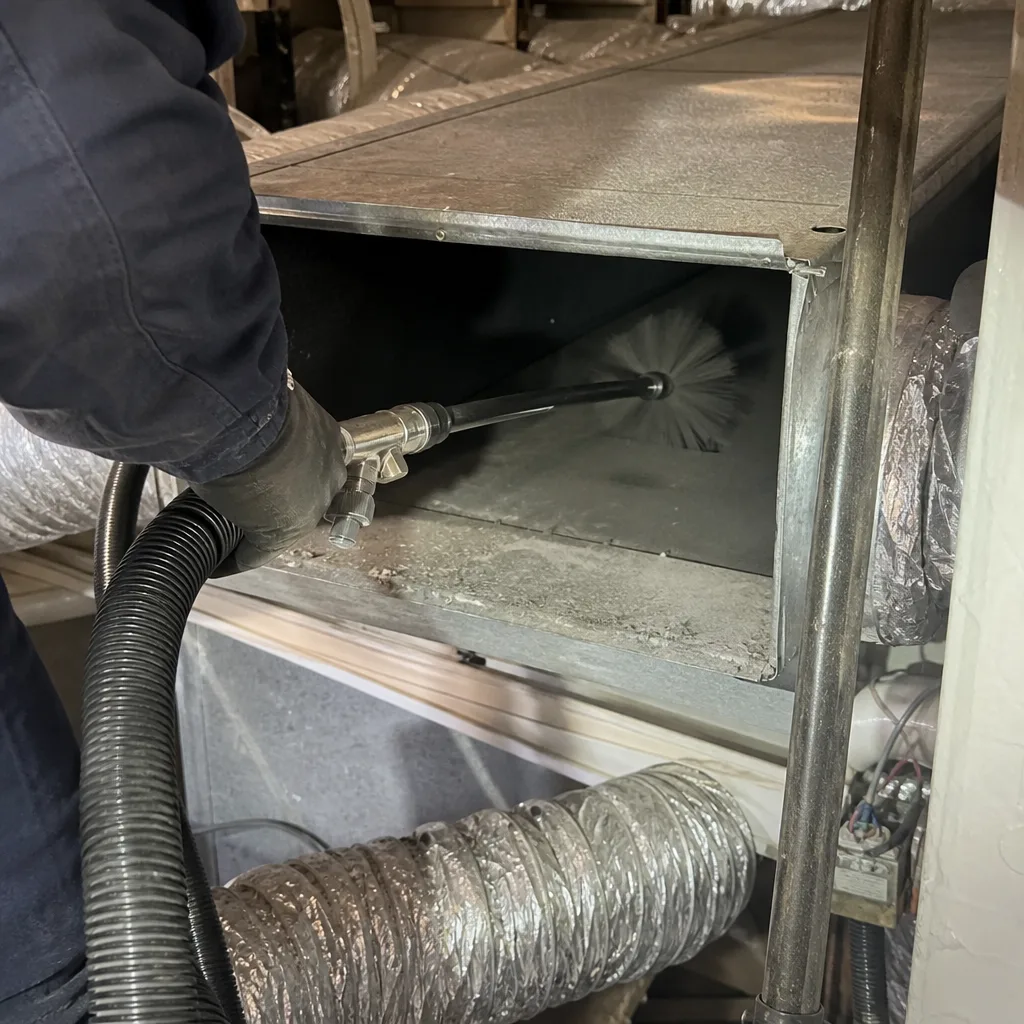
The tools a technician brings into your home determine whether debris leaves or just gets rearranged. Here are the specific equipment categories that meet NADCA standards, with the brands we use at CleanRun.
Negative Air Machines
A negative air machine is not a shop vac. It’s a dedicated HEPA-filtered collection unit that creates suction throughout the entire duct system, typically rated at 2,000-5,000 CFM. The machine connects to the main trunk line through an access port, pulling air and dislodged debris through the filter and into a sealed collection chamber. Abatement Technologies and Nikro manufacture units we use on Ashburn jobs. Without this equipment, a vacuum at one register simply moves debris to another part of the system.
Rotary Contact Brushes
Rotary brushes physically contact duct walls to break debris free. Rotobrush systems use a flexible shaft with a brush head that navigates duct elbows while maintaining wall contact. Brush stiffness varies by duct material: stiffer for metal, softer for flex. The brush operates while negative pressure pulls dislodged material toward the collection unit. A service without rotary agitation relies on air velocity alone, which leaves adhered debris in place.
Contact Vacuums and Hand Tools
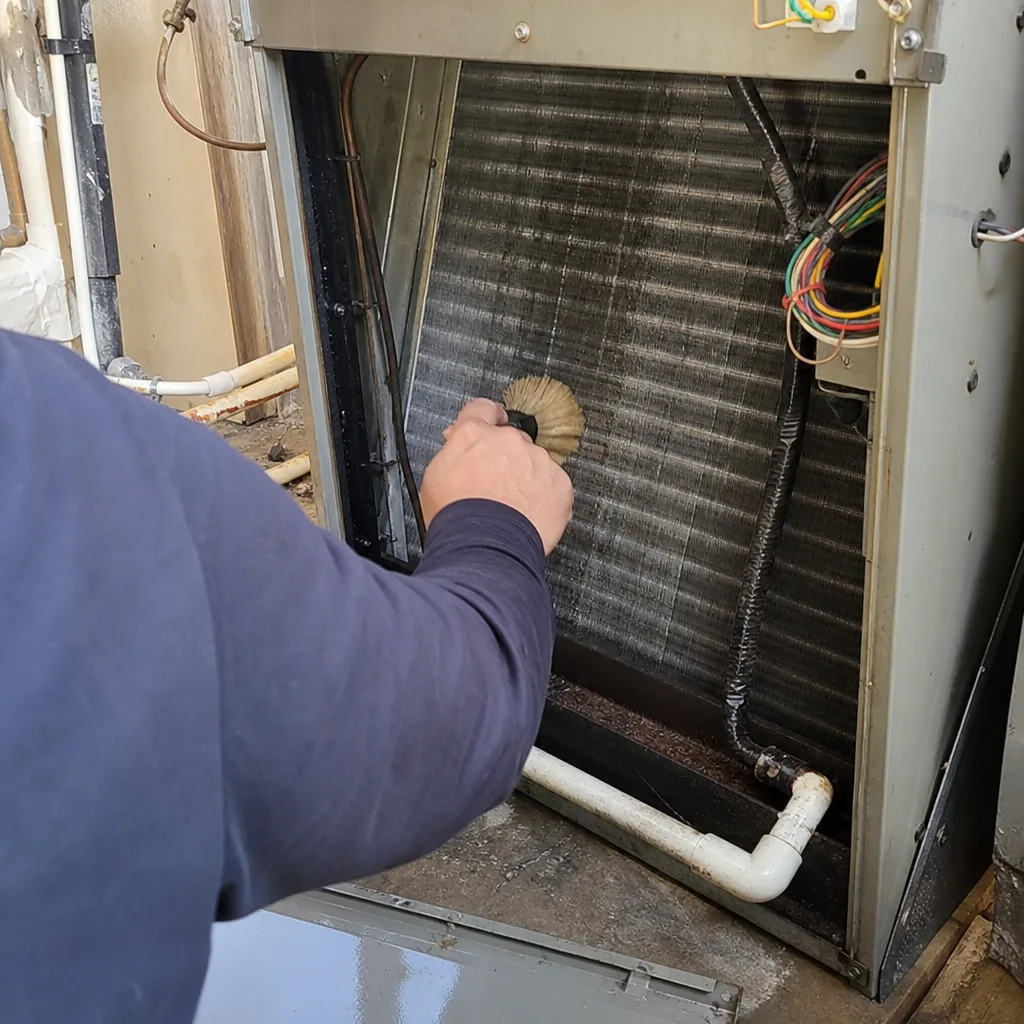
Registers, boots, and the plenum interior require hand tools. We use HEPA-filtered contact vacuums with attachments for corners and crevices. The plenum, often overlooked by low-price services, can harbor significant debris at the air handler connection.
Inspection Cameras
Borescope cameras allow visual verification before and after cleaning. We document every duct run with timestamped photographs, part of our standard deliverable on every job since 2013. If a company can’t show you what they found and what they removed, you have no evidence the work occurred.
The Photo Record: What Documentation Should Show
This is where most Ashburn homeowners get left in the dark. They pay for duct cleaning and receive a verbal “all done” with no verifiable proof. At CleanRun, we consider this unacceptable. Our Documented Photo Record on Every Visit policy means you receive photographs from inside every duct run, before and after, as a standard job deliverable.
What the Photo Record Should Include
- Pre-cleaning images of each supply and return run, showing visible debris, construction residue, or microbial growth.
- Close-ups of problem areas: elbows with heavy accumulation, disconnected flex duct, deteriorated fiberboard, or mold on hard surfaces.
- Post-cleaning images from the same locations, demonstrating debris removal without duct damage.
- Plenum and air handler area photos, showing protected components and cleaned surfaces.
- Register and boot images before and after removal and cleaning.
These images are timestamped and delivered as part of your job record. They serve two purposes. First, they verify the work occurred as described. Second, they establish a baseline for future comparison. If you suspect recontamination in three years, you have documentation of what clean looked like.
Verbal assurances are unverifiable. “We cleaned it” is not documentation. A photo of a 2-inch debris layer followed by a photo of the same duct showing bare metal is documentation. This practice, which CleanRun has held since our first job in 2013, is the direct answer to an industry built on $79 coupons and shop-vac noise.
What Air Duct Cleaning Costs in Ashburn
Price transparency is Haven Standard Clause 1, and it’s where most homeowners get misled. The Ashburn market is flooded with $79-$129 coupon offers that bear no resemblance to legitimate pricing. Here’s what honest pricing looks like and why the gap exists.
Realistic Price Ranges for Ashburn Homes
| Service Component | Typical Range |
|---|---|
| Standard residential system (single HVAC, up to 15 registers) | $400-$650 |
| Larger home or dual-zone system (16-25 registers) | $650-$900 |
| Heavy construction debris or post-renovation cleaning | Add $150-$300 |
| Microbial treatment (when indicated) | Add $100-$200 |
| Duct repair or sealing needed | Quoted separately after inspection |
These ranges reflect actual costs for equipment, labor, disposal, and documentation. A negative air machine from Abatement Technologies or Nikro represents a five-figure capital investment. HEPA filters, rotary brush maintenance, camera equipment, and trained technician wages all factor into legitimate pricing. The $79 service cannot cover these costs and still operate legally. It makes money through upsells: suddenly your “basic” cleaning requires $400 in “sanitizing,” or the technician claims mold was found and demands immediate treatment.
At CleanRun, we deliver a written price before any work starts, every time. The price we agree to in writing is the price on the invoice. No per-vent add-ons. No surprise treatments. If we find something unexpected during inspection, we stop, explain, and document with photos before any additional work is proposed.
We also offer a Free Second Opinion on Any Written Estimate. Bring us a competitor’s written quote and we’ll put our number next to it, item by item, so you can compare real scope against real scope.
When Cleaning Genuinely Matters (And When It Doesn’t)
The EPA’s position is clear: don’t clean ducts on a schedule. Clean when specific conditions exist. Here’s how to apply that guidance to your Ashburn home.
Legitimate Reasons for Duct Cleaning
- Visible mold growth on hard surfaces inside ducts or on other HVAC components. Must be verified; not every dark stain is mold.
- Infestation by rodents, insects, or other vermin. Cleaning follows pest control; it doesn’t replace it.
- Clogged ducts releasing visible particles into occupied space. Often follows renovation or construction.
- Post-construction or renovation debris. Particularly relevant for Ashburn’s ongoing development and home improvement activity.
- Documented airflow restriction with debris as the confirmed cause. Requires pressure testing, not guesswork.
When Cleaning Is Unnecessary
Normal household dust in ducts is not a health hazard. The EPA states: “Duct cleaning has never been shown to actually prevent health problems.” If no specific contamination exists, your money is better spent on source control: better filtration, humidity management, and sealing duct leaks that pull in unconditioned attic or crawl space air.
In Ashburn’s climate, we see many homeowners with high summer humidity whose real problem is an oversized AC unit that short-cycles, failing to dehumidify. Cleaning their ducts won’t fix the moisture issue. We refer these cases to HVAC contractors for proper load calculation and equipment sizing.
How to Choose a Duct Cleaning Company in Ashburn
The Ashburn market includes legitimate operators, bait-and-switch coupon services, and outright scams. Here’s how to distinguish them, including insights from our How to Hire a Air Duct Cleaning Contractor in Ashburn: A Step-by-Step Guide.
Verify Credentials and Standards
NADCA membership is a starting point, not a guarantee. Ask whether the company follows the ACR standard specifically. Ask for their license number and verify it with Virginia DPOR. At CleanRun, we publish our license number and operate under the H.A.V.E.N. Standard, with background-checked, uniformed technicians identified by name before arrival, per Haven Standard Clause 3: Verified Crews.
Demand Written Pricing Upfront
Any company that won’t commit to a written price before work starts is preparing to upsell. This is non-negotiable. Haven Standard Clause 1 exists because “call for a quote” is where the bait-and-switch begins.
Ask About Equipment by Name
A legitimate company can tell you what negative air machine they use, what rotary brush system, and what camera equipment. If they describe “our powerful vacuum” without specifics, they likely use inadequate equipment. Our roster includes Rotobrush, Nikro, Abatement Technologies, Honeywell, Aprilaire, and Guardsman, brands customers can research independently.
Request Photo Documentation
Ask whether before-and-after photos of every duct run are included as standard. If the answer is no, you’re buying an unverifiable service. Our Documented Photo Record on Every Visit policy means you receive these images as a deliverable, not an upsell.
Check the Guarantee
Our 365-Day Done Right Promise means if the work is not right, we make it right, backed in writing on every job. Not a policy subject to manager approval. A written guarantee, not marketing copy.
Common Mistakes to Avoid
- Responding to $79 coupon mailers. These services use inadequate equipment, skip critical steps, and rely on high-pressure upsells. The final invoice often exceeds legitimate pricing.
- Assuming all duct materials clean the same way. Flex duct in your Ashburn townhome requires gentler handling than the sheet metal in your neighbor’s 1980s colonial. Ask how the company adapts its approach.
- Ignoring the plenum and air handler. A service that only cleans registers and visible trunk lines misses where debris accumulates most heavily.
- Accepting verbal confirmation of mold. Demand photographic evidence and, if treatment is recommended, a lab verification option. Visual identification alone is unreliable.
- Cleaning on a schedule rather than for cause. Annual duct cleaning is not supported by EPA guidance or independent research. Clean when specific, verifiable conditions exist.
- Failing to address the source after cleaning. If your Ashburn home has unsealed duct seams pulling attic air, cleaning is temporary. Duct sealing may be the more durable solution.
When to Call a Professional
Call a duct cleaning professional when you can document one of the conditions above: visible mold, vermin infestation, post-construction debris, or measured airflow restriction. See our DIY vs Professional Air Duct Cleaning: The Ashburn Homeowner’s Decision Guide for help deciding. Don’t call because a mailer told you it’s “that time of year.” In Ashburn’s variable climate, with humid summers and dry winters, seasonal air quality changes are normal and don’t indicate duct contamination.
If you’ve received a written estimate from another company and want comparison pricing, CleanRun Air Duct Cleaning Ashburn offers free estimates in Ashburn and a Free Second Opinion on any written estimate. Explore more guides & resources on our blog. We’ll itemize our scope against theirs so you can compare actual deliverables. Call (240) 771-1508 to schedule. All calls are answered by a live person, and our background-checked, uniformed technicians arrive identified by name with documented credentials.
Frequently Asked Questions
A legitimate full-system cleaning for a typical Ashburn home runs $400-$650 for a single HVAC system with up to 15 registers, and $650-$900 for larger or dual-zone systems. The $79-$129 coupon offers do not include negative-pressure extraction, rotary brushing, or photo documentation, and typically result in invoices far above these ranges through aggressive upselling. Call (240) 771-1508 for a written estimate with no obligation.
Low quotes exclude necessary equipment and labor. A shop vacuum at one register, with no negative air machine, no rotary agitation, and no system protection, takes 45 minutes and costs little to perform. It also leaves most debris in place. The gap between a $99 visit and a $500 legitimate cleaning represents real equipment, trained labor, documentation, and accountability. Ask any low-quote company to specify their negative air machine brand, their rotary brush system, and whether before-and-after photos of every run are included standard.
Demand a documented photo record showing the inside of every duct run before and after cleaning. Timestamped images from a borescope camera are the only verifiable proof. Verbal assurances, a clean filter, or a faint vacuum noise from the basement are not evidence. At CleanRun, this documentation is a standard deliverable on every job, not an optional add-on.
The EPA does not recommend routine duct cleaning. Clean when specific conditions exist: visible mold, vermin infestation, documented debris release, or post-construction contamination. For most Ashburn homes with no special risk factors, cleaning once every 10-15 years, or after major renovation, is sufficient. More frequent cleaning may indicate an unresolved source problem, such as unsealed duct leaks or inadequate filtration.
Northern Virginia’s summer humidity can contribute to mold growth in ducts, particularly when HVAC systems are oversized and short-cycle, failing to dehumidify properly. However, mold requires both moisture and a food source. Well-maintained systems with proper sizing, sealed ducts, and adequate filtration rarely develop significant mold. If mold is suspected, verification with visual inspection and, if indicated, laboratory analysis should precede any treatment decision.
Air duct cleaning addresses the distribution network: supply and return ducts, registers, boots, and plenum. HVAC Cleaning in Ashburn extends to the mechanical components: blower assembly, evaporator coil, heat exchanger, and condensate drain. These are separate services with different pricing and scopes. A dirty coil affects efficiency and humidity control even when ducts are clean. We assess both during inspection and quote separately so you choose what’s actually needed.
The Bottom Line
Air duct cleaning in Ashburn is a legitimate service when performed for verifiable cause with proper equipment, trained technicians, and documented results. It is not annual maintenance, and the $79 coupon services that flood local mailers do not meet industry standards. A legitimate cleaning costs $400-$900 for most homes, takes 3-5 hours, and leaves you with a written price, a photo record of every duct run, and a guarantee you can enforce. Before hiring any company, ask what negative air machine they use, whether rotary contact brushing is included, and how they document results. The answers will tell you whether you’re buying real work or vacuum noise.
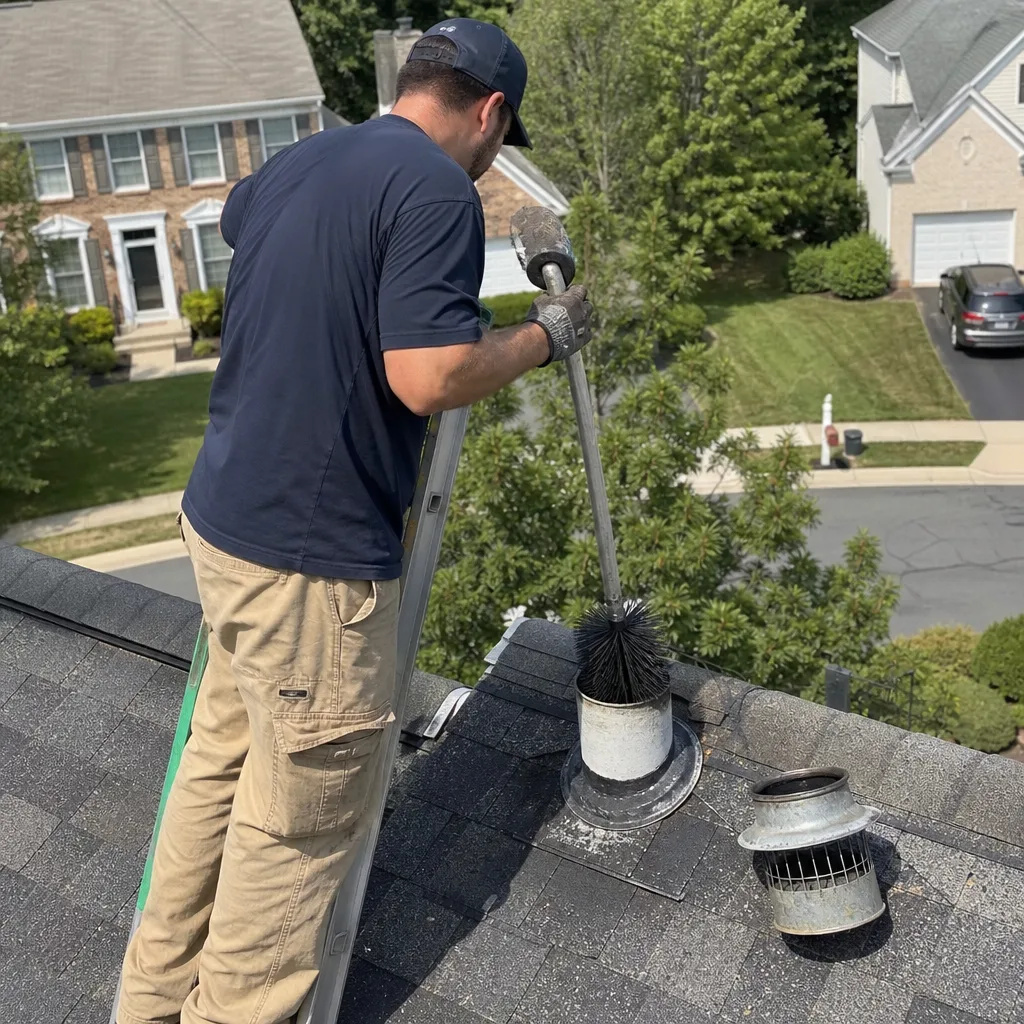
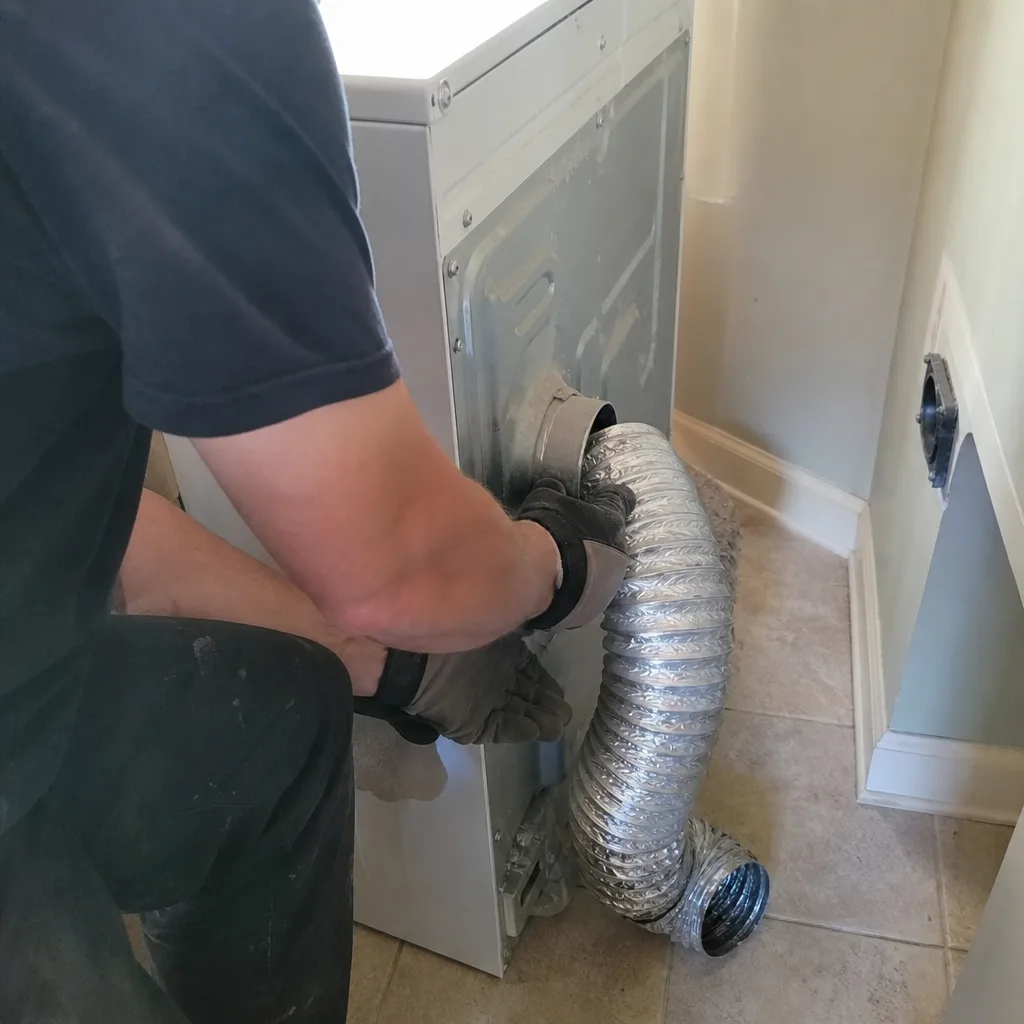
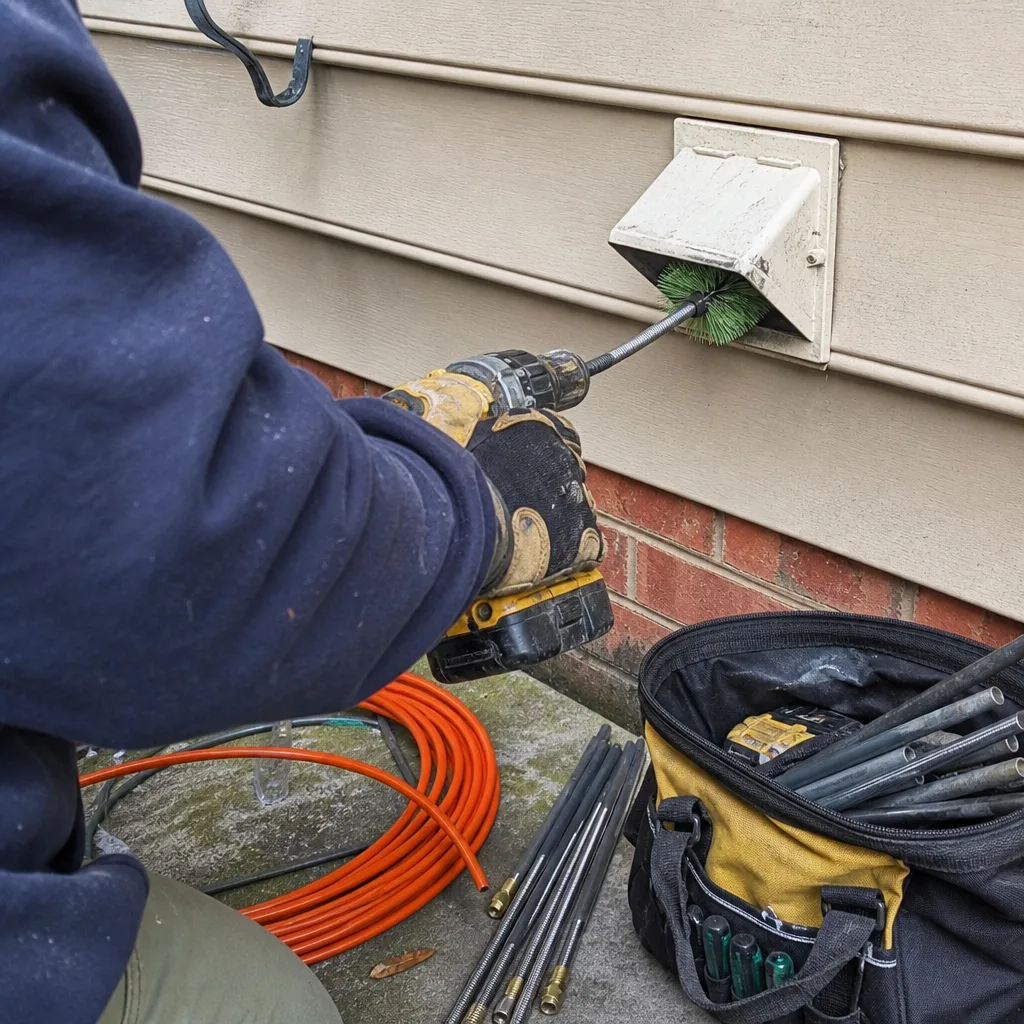
For homeowners in Brambleton, Ashburn Village, Loudoun Valley Estates, and throughout Ashburn, Air Duct Cleaning in Ashburn from CleanRun delivers documented results under the H.A.V.E.N. Standard. We also provide Dryer Vent Cleaning in Ashburn and full HVAC Cleaning in Ashburn for complete system care. Return to our CleanRun Air Duct Cleaning Ashburn home page to learn more about our services.
Call (240) 771-1508 for a free written estimate. Every job starts with a price in writing, includes a Documented Photo Record of every duct run, and is backed by our 365-Day Done Right Promise. All calls are answered by a live person, and our technicians are background-checked, uniformed, and identified by name before arrival.
Written by Tomas Reyes, Owner at CleanRun Air Duct Cleaning Ashburn, serving Ashburn since 2013.