
Whole-system duct and dryer vent check with before-and-after photos - you see exactly what came out of your vents
That "$99 whole-house special" is a bait ad - the real number appears once they are in your hallway, or the "clean" is a shop-vac at the register. We photograph the inside of your ducts before and after instead.
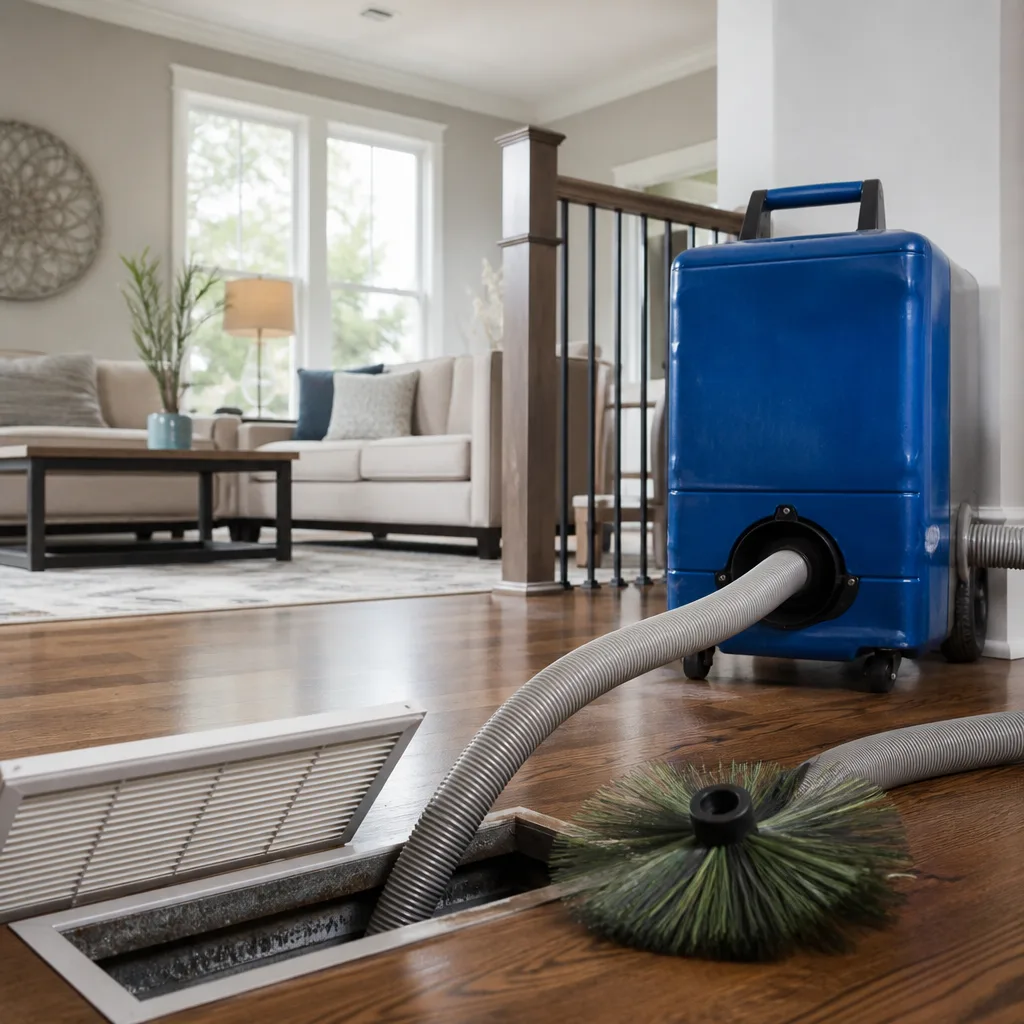
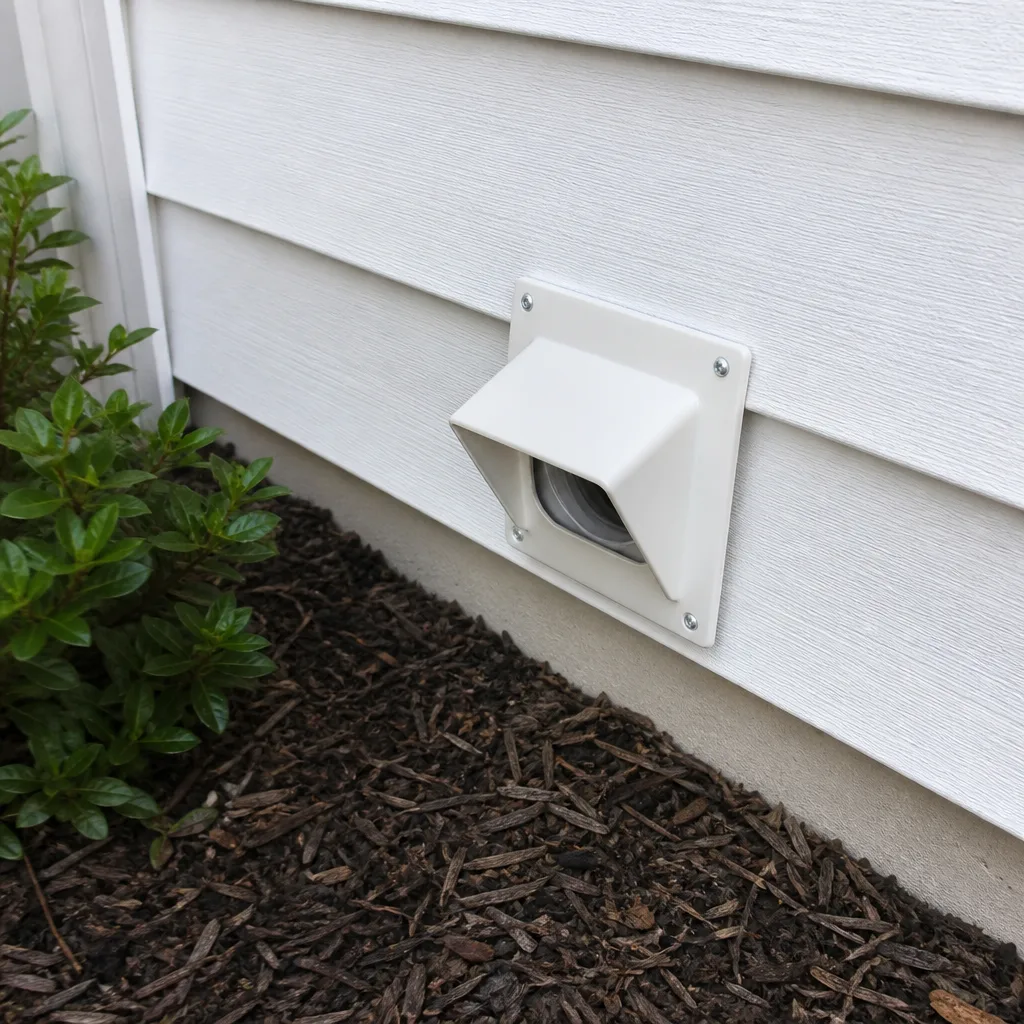
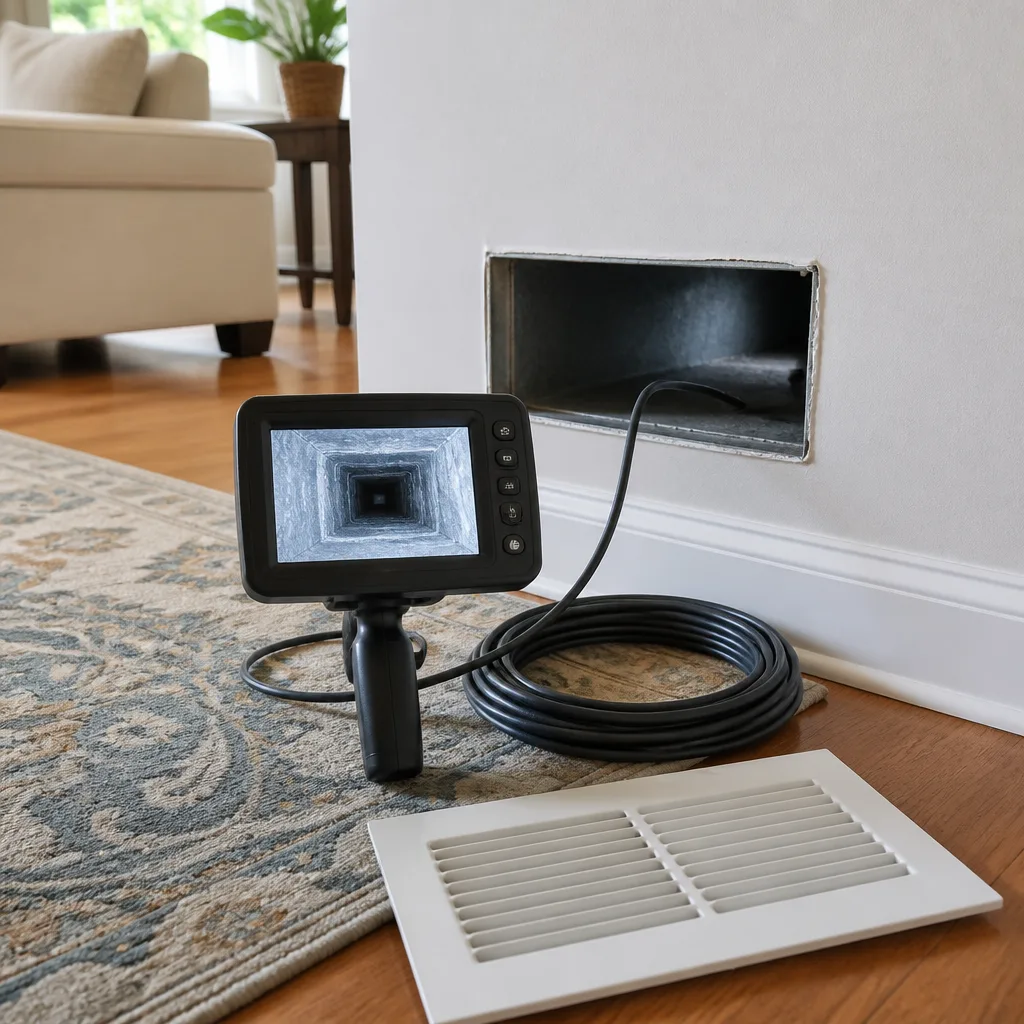
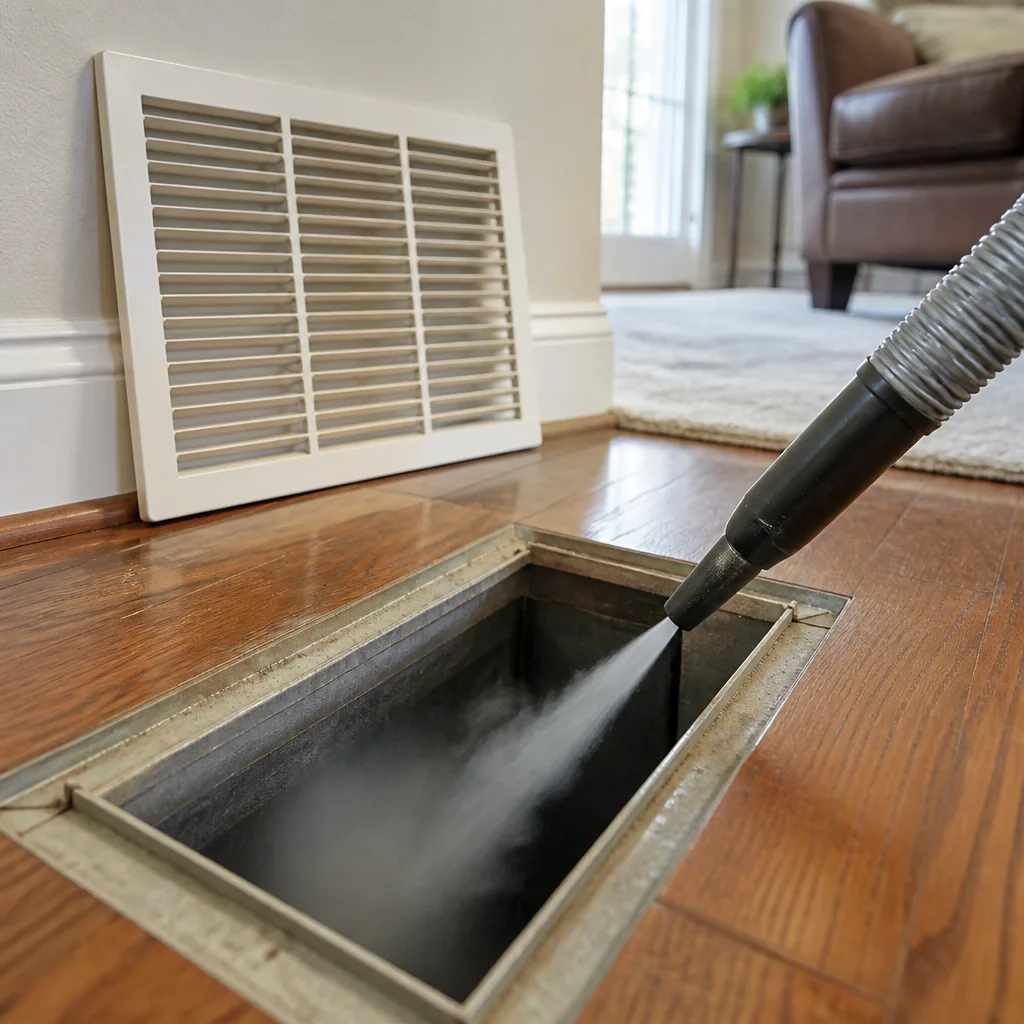
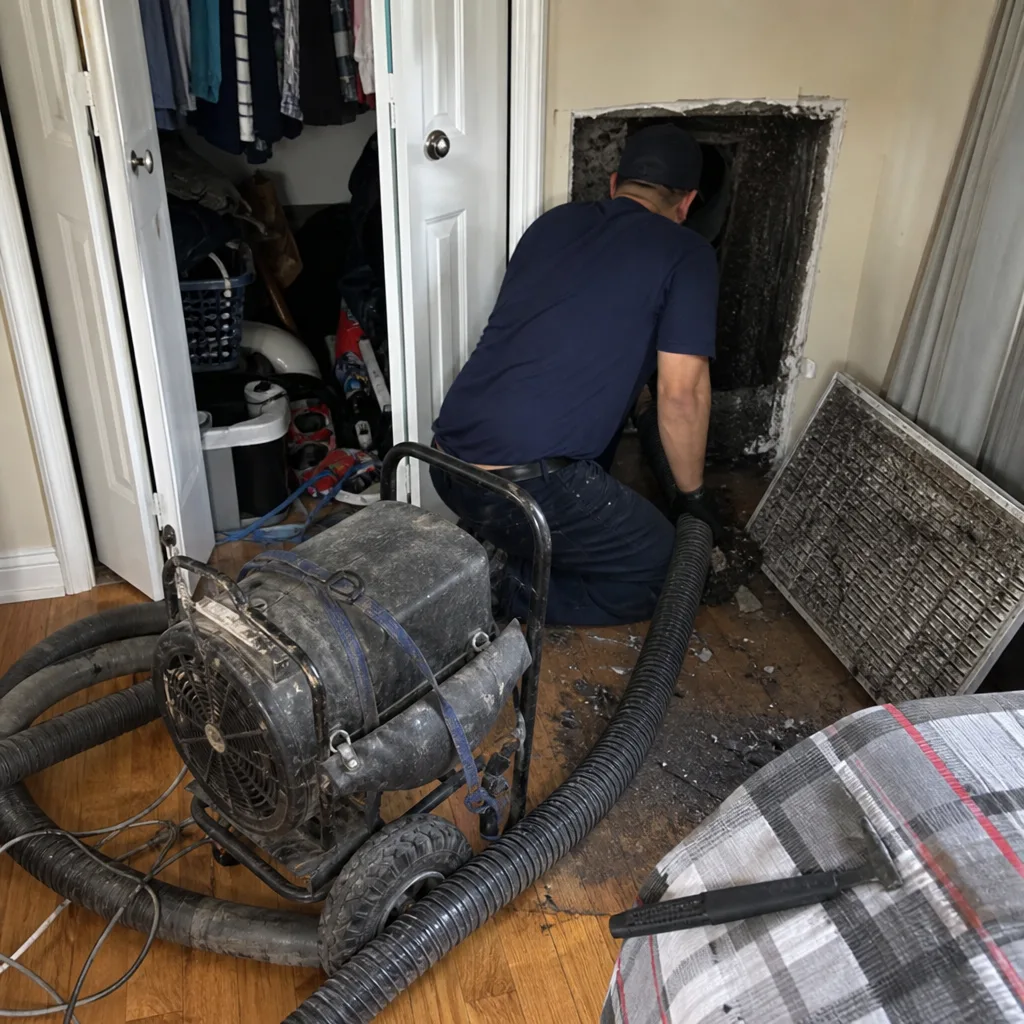 Before
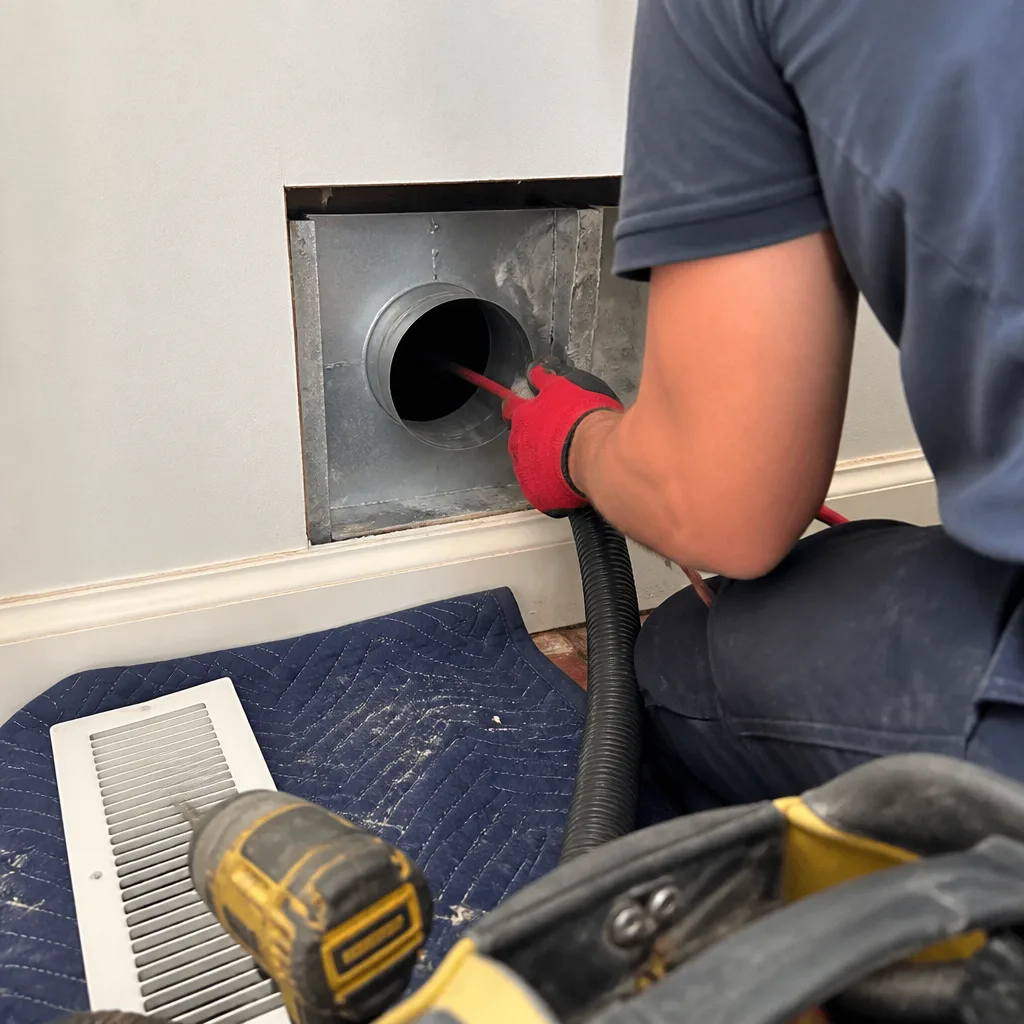 After
After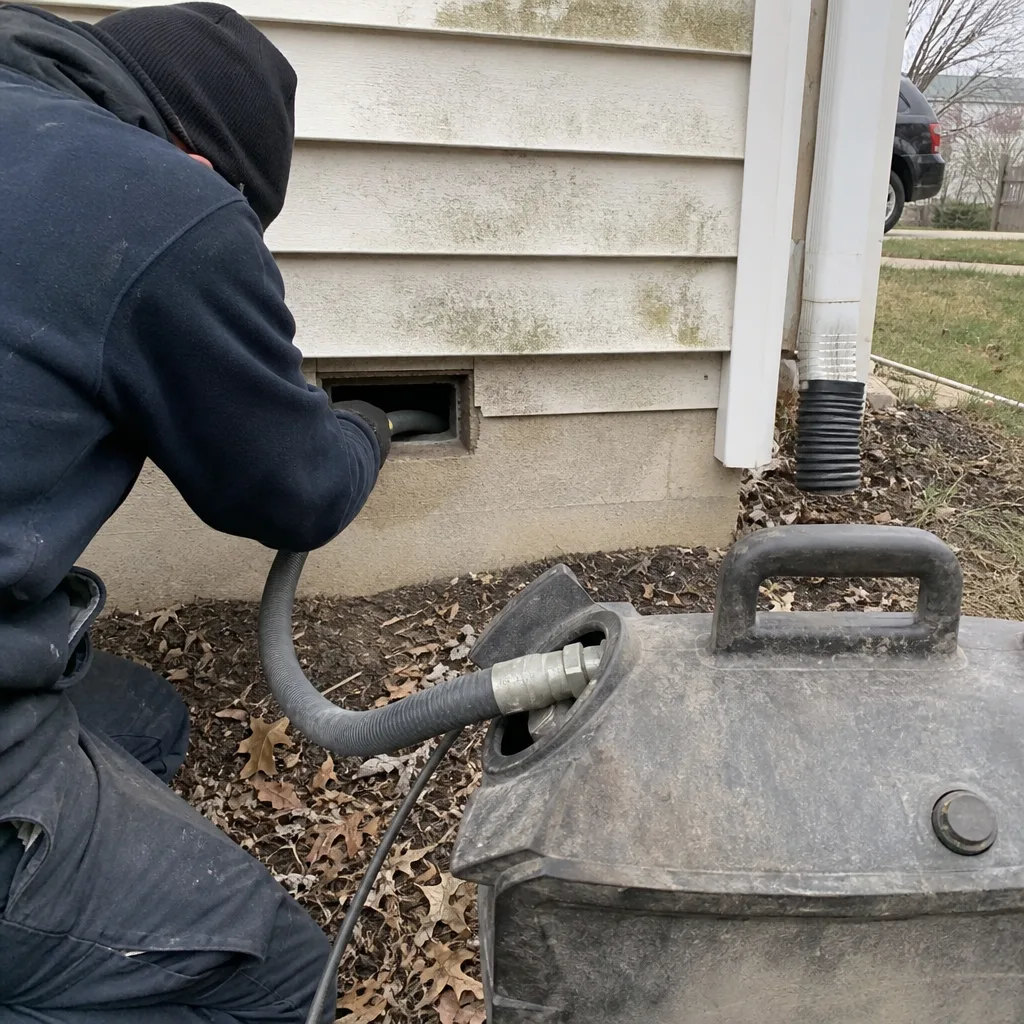 Before
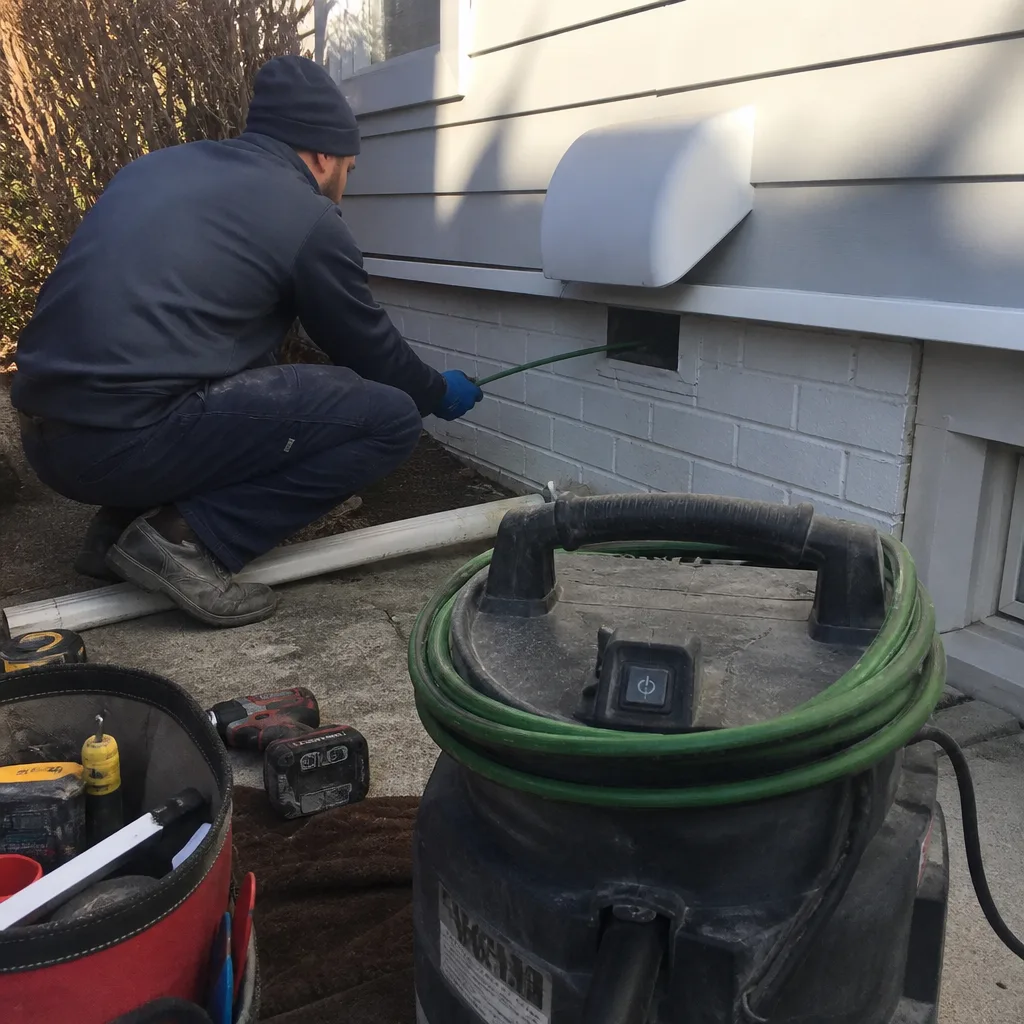 After
After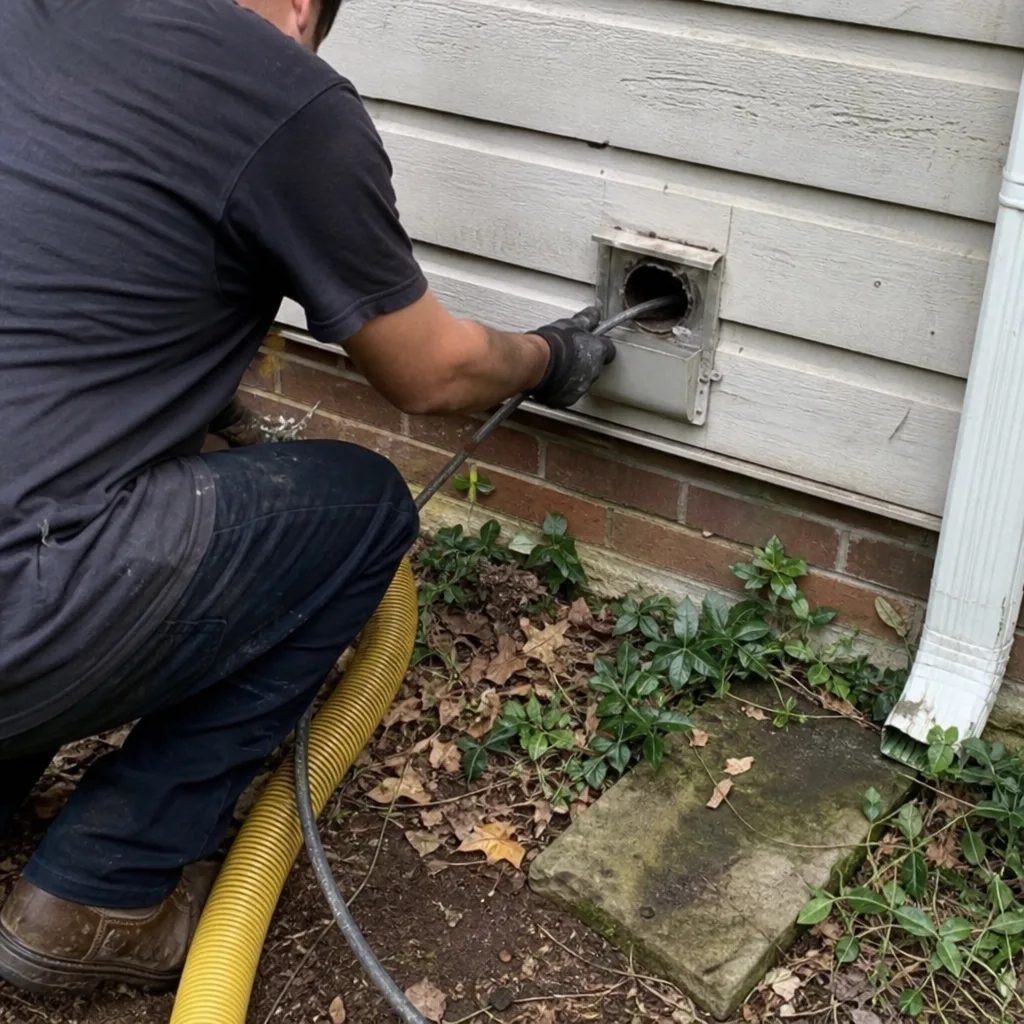 Before
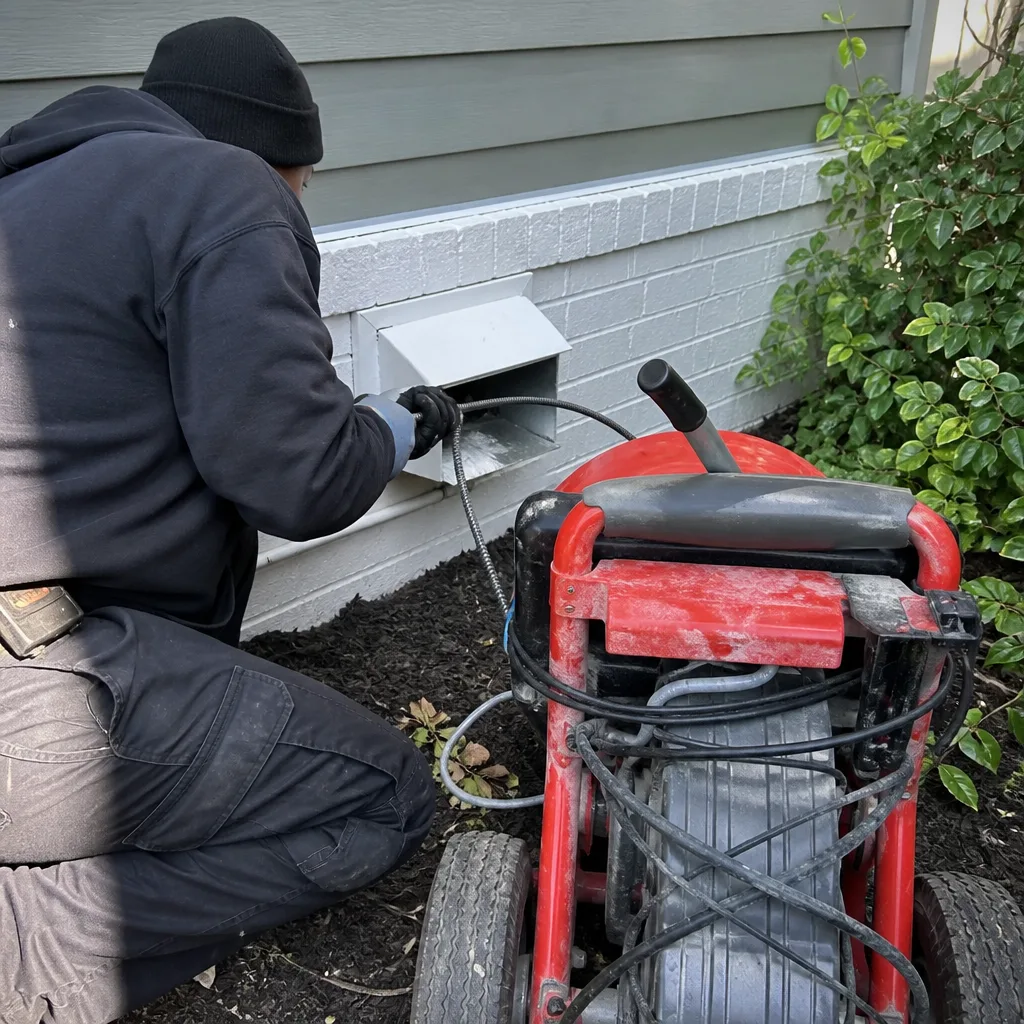 After
AfterRotobrush Vent Sanitizing: The Ashburn Owner’s Guide
Rotobrush vent sanitizing in Ashburn typically runs $280-$420 for a complete system application, and we stock the full Rotobrush-compatible chemistry and application hardware on our trucks for same-day scheduling. The service pairs mechanical agitation from a Rotobrush brush system with a registered sanitizing agent delivered through the vent line to treat microbial growth inside the ductwork. Most Ashburn homeowners discover they need this after noticing persistent musty odors returning within weeks of a standard cleaning, or after a camera inspection shows biological film on the duct walls that brushing alone won’t remove.
Which Rotobrush Models This Applies To
The vent sanitizing application on a Rotobrush system isn’t a single part number, it’s a chemistry-and-delivery assembly that mates to the machine’s vacuum collar and agitation head. We match the setup to three distinct Rotobrush generations: the legacy 4500-series push-rod machines (identifiable by the rectangular blue vacuum housing and pre-2015 serial prefix), the current BEAST-series portable units with the cylindrical black canister, and the compact aiR+ models marketed for residential light-duty work.
The critical compatibility gotcha is the vacuum collar thread pitch. Pre-2018 4500 units use a coarser 2.25-inch twist-lock that won’t accept the sanitizing injection wands manufactured after Rotobrush’s 2018 design revision. We’ve found this mismatch on at least a dozen Ashburn jobs, usually when a homeowner bought a “universal” sanitizing kit online that seated loosely and leaked chemical into the vacuum motor. For OEM chemistry, Rotobrush specifies their own RotoSan branded solution at 15-20:1 dilution; we also run Abatement Technologies’ Spor-Klenz RTU as a quality aftermarket equivalent, which carries the same EPA registration for HVAC system application and performs identically in our documented photo records. If your machine label is worn, measure the collar outer diameter with a tape measure before ordering anything. A 4500-series collar measures 2.25 inches; BEAST and aiR+ collars measure 2.0 inches.
Signs Your Rotobrush Vent Sanitizing Is Failing
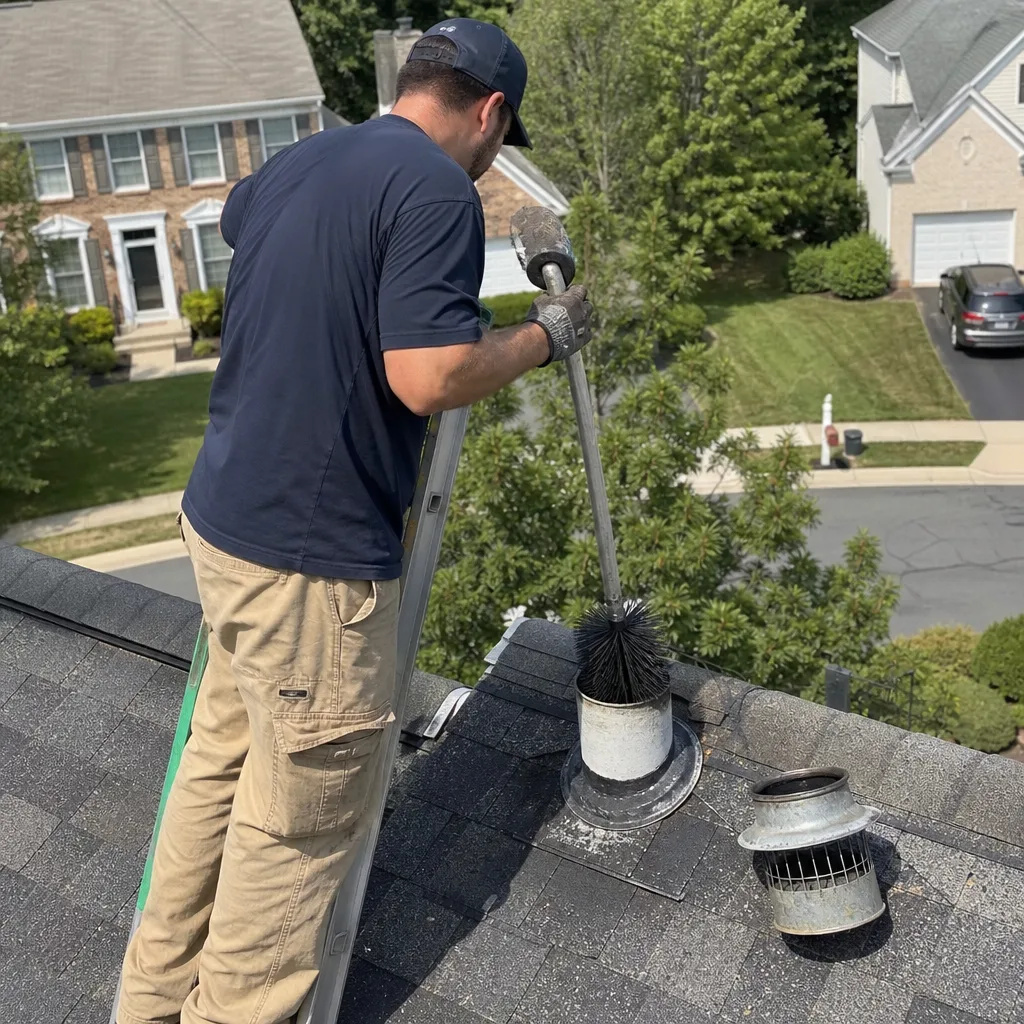
- Odor returns within 14-21 days of treatment. This usually means the sanitizing agent never reached the full duct run. On a recent job near Loudoun Station, the camera showed dry chemical residue pooled at the first elbow, indicating a clogged application wand or insufficient vacuum draw to pull the mist through the system.
- Visible moisture or staining around registers after treatment. The atomization head is delivering droplets too large to suspend in the airstream. In Ashburn’s summer humidity, this oversaturation also raises the risk of secondary mold growth on ceiling drywall.
- Rotobrush motor laboring or thermal shutdown during sanitizing mode. The chemical injection port may be drawing solution faster than the vacuum motor can handle, or the vacuum filter is saturated with residue from previous jobs. The BEAST-series thermal cutoff trips at 185°F; we’ve logged this on machines where the owner ran straight concentrate instead of diluted solution.
- Uneven coverage with some duct runs untreated. The flexible application wand has developed a kink or internal coating buildup. On longer duct runs common in Ashburn’s 3,500+ square-foot builds, a 25-foot wand may not reach the plenum; we carry 35-foot extensions specifically for these layouts.
- Chemical smell persists beyond 48 hours. Properly diluted Spor-Klenz or RotoSan should off-gas within 24-36 hours in normal HVAC circulation. Extended residual odor suggests incorrect dilution ratio or application during system shutdown, when the agent can’t dry properly.
BeforeAfterReplacement Cost & What’s Included
| Service Component | Price Range in Ashburn |
|---|---|
| Rotobrush-compatible vent sanitizing, single system (up to 12 duct runs) | $280-$340 |
| Rotobrush-compatible vent sanitizing, larger system (13-20 duct runs) | $340-$420 |
| Application hardware replacement (wand, collar, atomizer head) | $85-$140 parts + labor |
| Post-treatment photo documentation and written scope record | Included |
The range depends on system size, accessibility of the main trunk line, and whether we’re treating after a full mechanical cleaning or as a standalone service. Haven Standard Clause 1 applies: the written price is delivered before any work starts, and it is the price on the invoice. No per-vent add-ons, no chemical surcharges. The 365-Day Done Right Promise covers the sanitizing application; if odor or visible biological growth returns within that window, we retreat at no charge. Every job concludes with a Documented Photo Record of the duct interior, delivered as part of the standard job record.
DIY or Call Us?
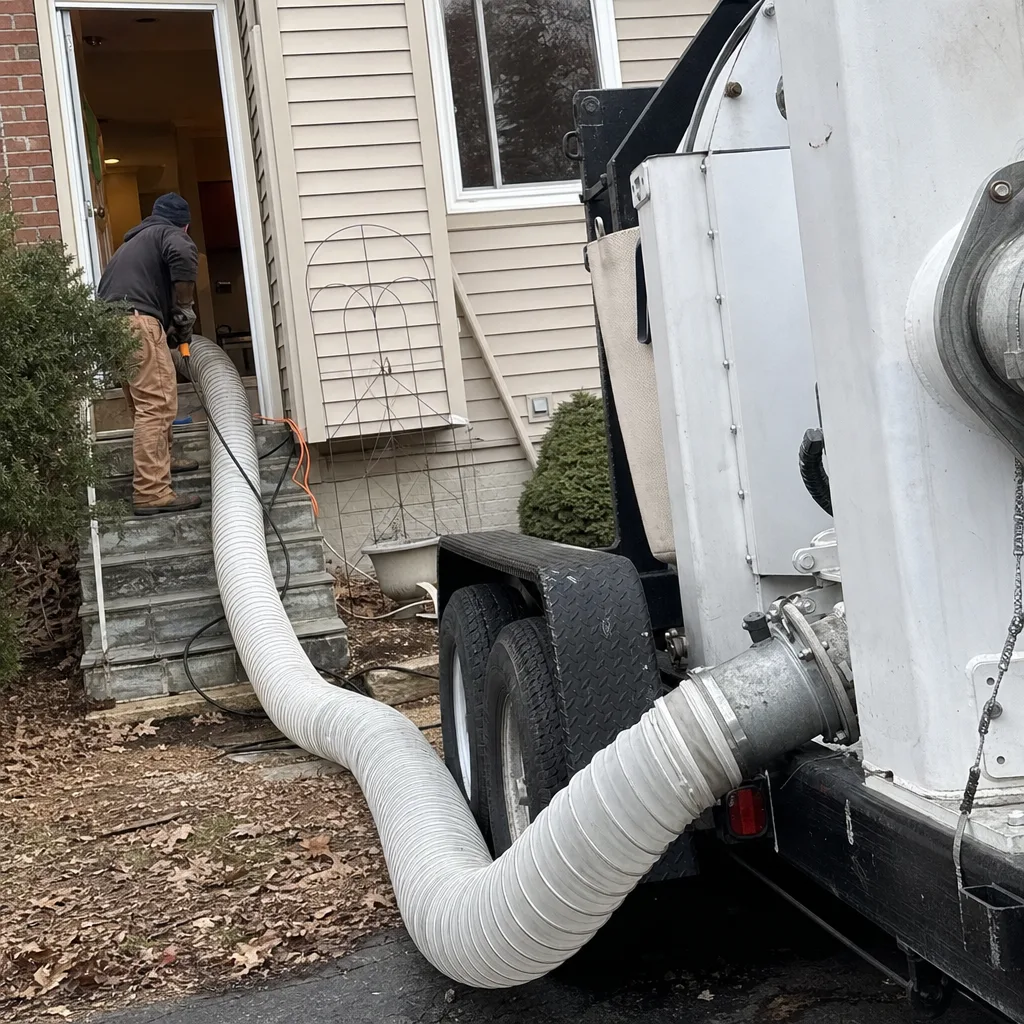
There’s a safe middle ground here, and then there’s where DIY goes wrong. An owner can safely verify the Rotobrush model and collar measurement, check the application wand for visible kinks or residue buildup, and confirm the dilution ratio printed on the chemical label. What we don’t recommend: mixing your own chemistry (EPA-registered HVAC sanitizers require specific application concentrations and dwell times), running the machine with a damaged wand (chemical backflow into the vacuum motor costs more than the service call), or treating a system with known water intrusion or active mold colonization without identifying the moisture source first.
The sanitizing agent itself is low-toxicity when used as directed, but misapplication in an enclosed attic plenum during Ashburn’s July heat creates vapor exposure risk that the label warnings are explicit about. If you’re unsure whether your Rotobrush setup is delivering full coverage, we’ll inspect the hardware, photograph the duct condition, and quote the work in writing. Call (240) 771-1508.
FAQs
In typical Ashburn residential use, a properly applied treatment remains effective for 12-18 months. The Loudoun County climate cycles between humid summers and dry heating seasons, and we’ve found that homes with continuous HVAC fan operation see faster re-colonization at the evaporator coil and first return elbow. Call (240) 771-1508 for an exact quote - estimates are free.
Application wands and atomizer heads can sometimes be cleaned and reinstalled if the blockage is superficial residue. If the wand liner is delaminated or the atomizer orifice is worn beyond 0.015-inch spec, replacement is the only fix that restores proper droplet size. We stock both OEM Rotobrush and aftermarket compatible hardware on our trucks. Call (240) 771-1508 for an exact quote - estimates are free.
A complete single-system treatment takes 90-150 minutes, including setup, mechanical brushing if bundled, chemical application with proper dwell time, and post-treatment photography. Standalone sanitizing on a previously cleaned system runs closer to 60-90 minutes. Call (240) 771-1508 for an exact quote - estimates are free.
Yes. We carry RotoSan concentrate, Spor-Klenz RTU, replacement application wands in 25-foot and 35-foot lengths, twist-lock collars for both 2.0-inch and 2.25-inch vacuum housings, and atomizer heads matched to each generation. CleanRun Air Duct Cleaning Ashburn is an independent service provider, not affiliated with Rotobrush. Call (240) 771-1508 for an exact quote - estimates are free.
CleanRun Duct Repair & Cleaning is independently owned and operated under the Haven Standard, established in 2013. Equipment used on jobs includes Rotobrush, Nikro, Abatement Technologies, Honeywell, Aprilaire, and Guardsman. All technicians operate under Haven Standard Clause 3: Verified Crews.
Written by Tomas Reyes, Owner, CleanRun Air Duct Cleaning Ashburn at CleanRun Air Duct Cleaning Ashburn, serving Ashburn and nearby areas.