
Whole-system duct and dryer vent check with before-and-after photos - you see exactly what came out of your vents
That "$99 whole-house special" is a bait ad - the real number appears once they are in your hallway, or the "clean" is a shop-vac at the register. We photograph the inside of your ducts before and after instead.
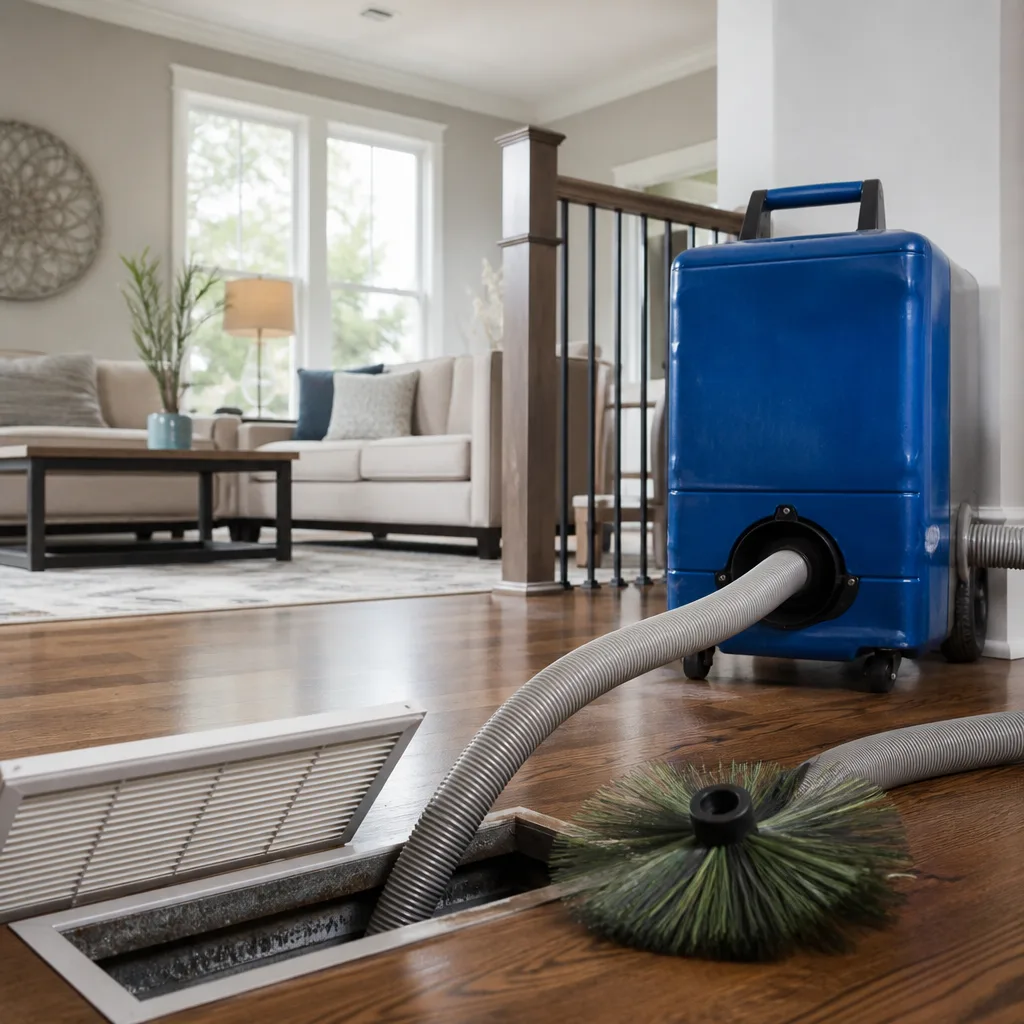
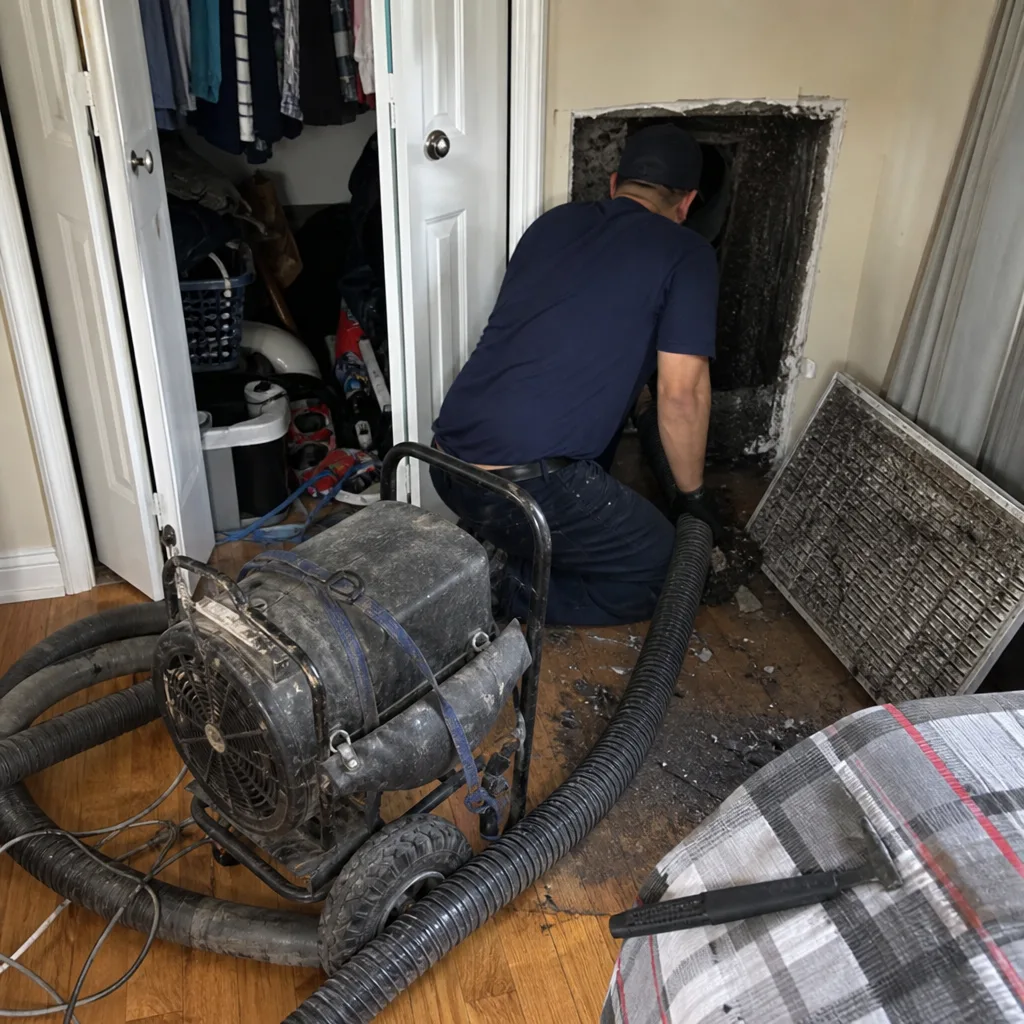 Before
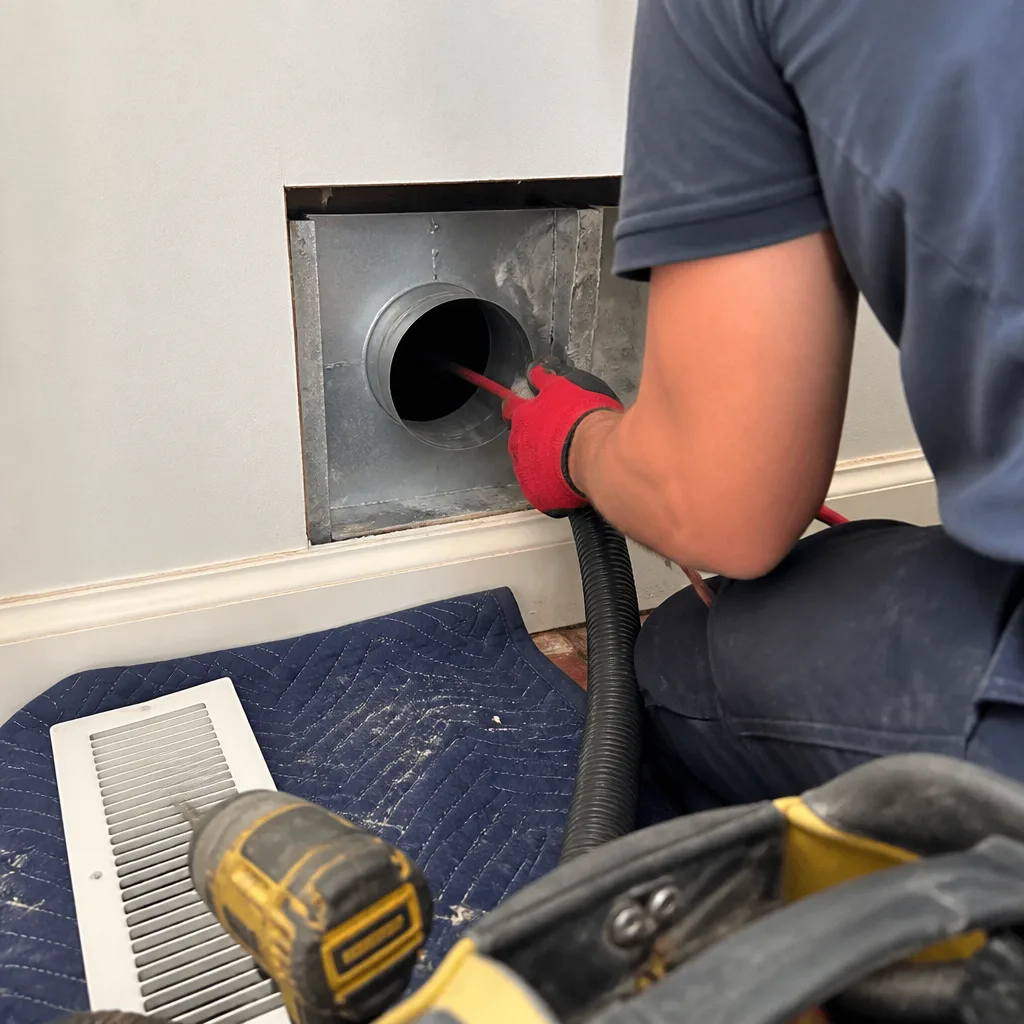 After
After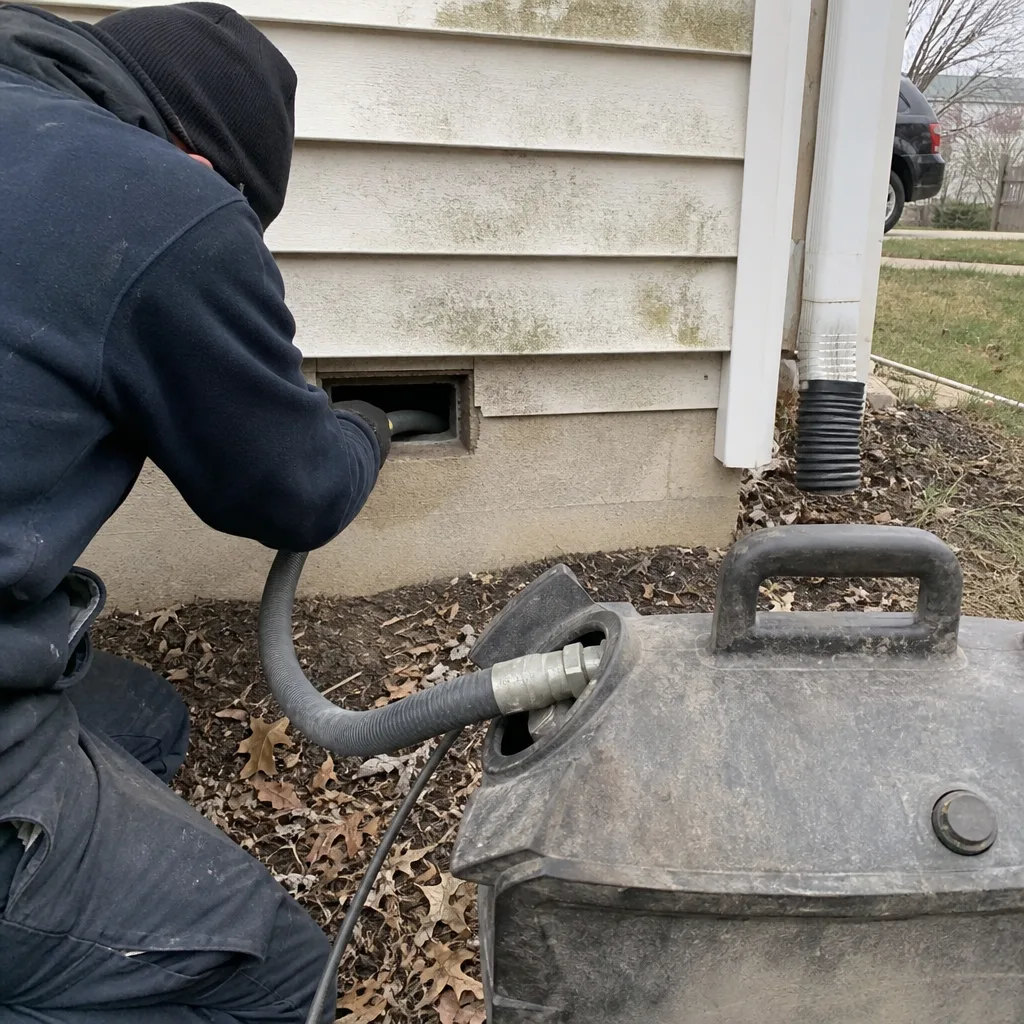 Before
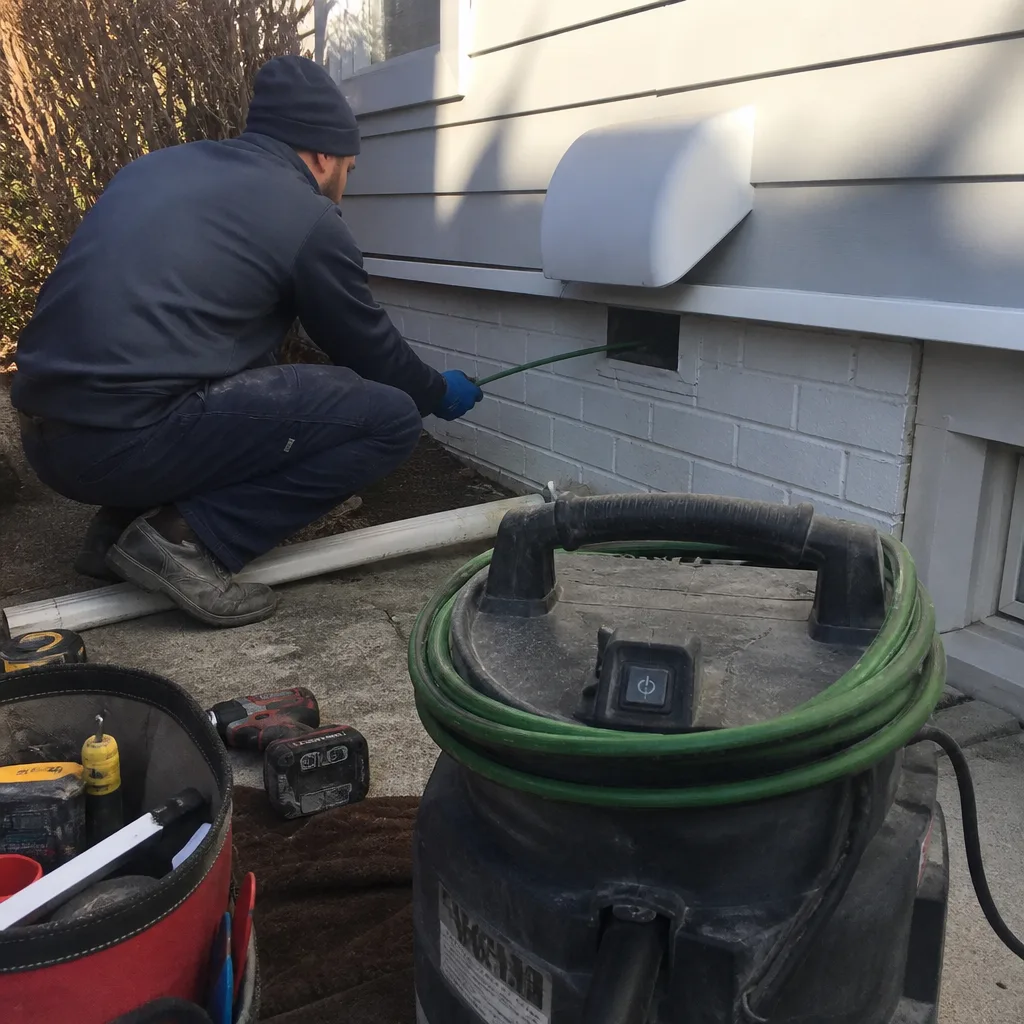 After
After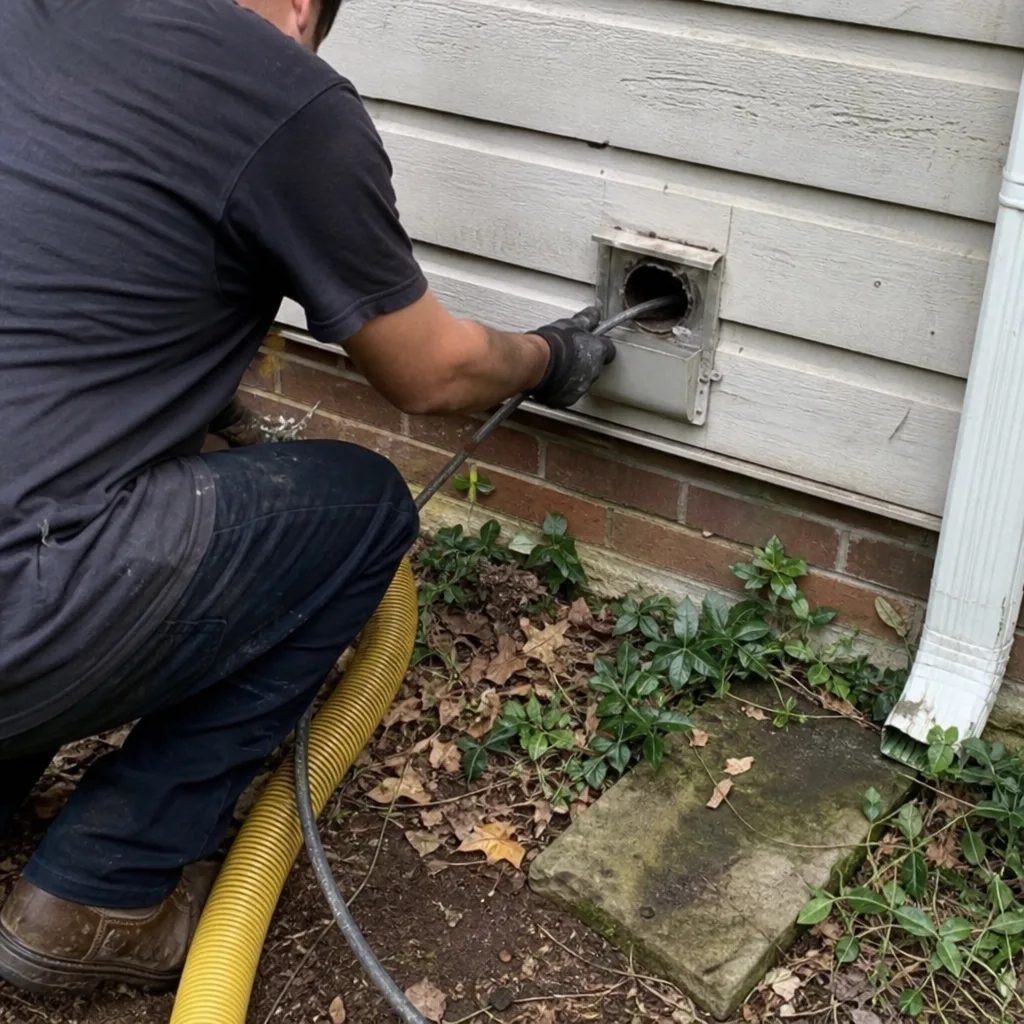 Before
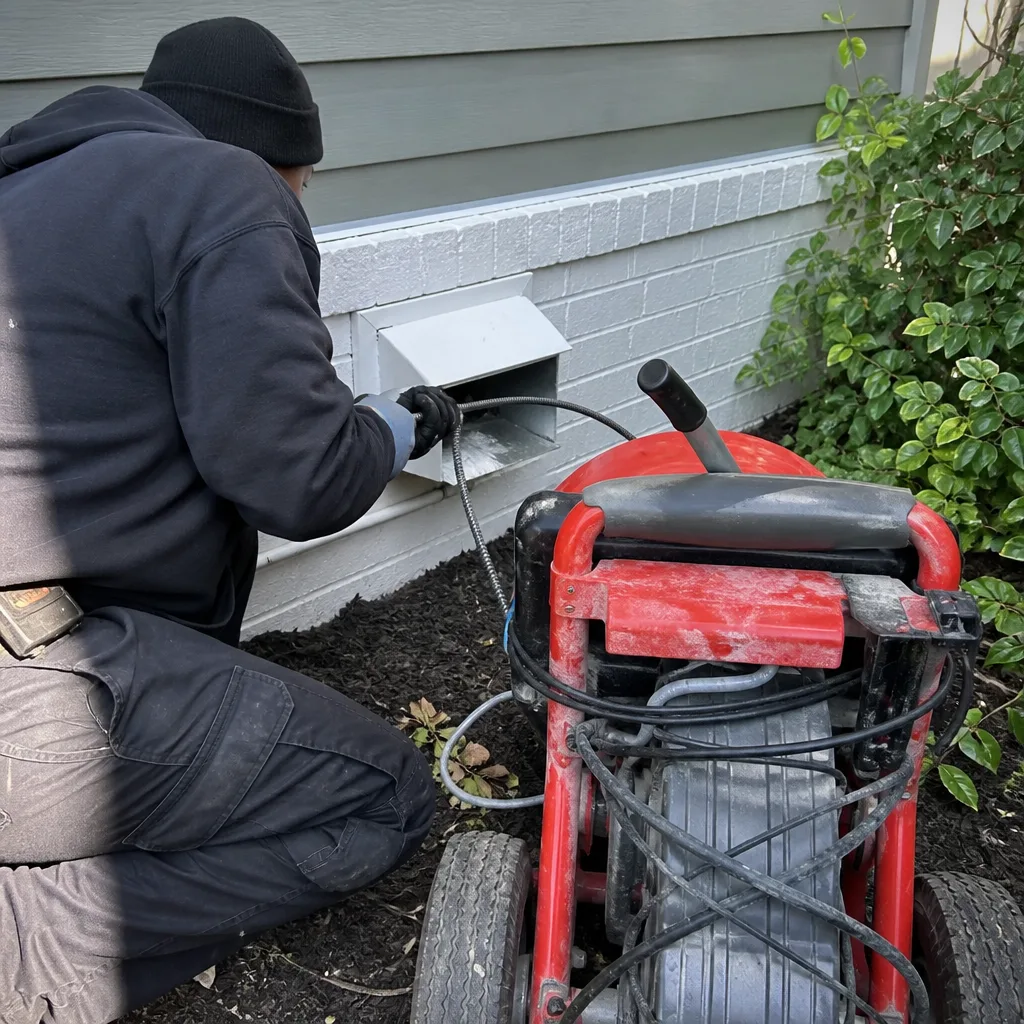 After
AfterDryer Vent Inspection in Ashburn, VA
A dryer vent inspection in Ashburn, VA typically runs $79-$149 and takes 30 to 45 minutes. A technician runs a flexible camera through the full vent run, measures airflow at the termination point, and documents every obstruction or code concern in writing before recommending any work. If you’re not sure whether your vent needs Dryer Vent Cleaning services, repairs, or is fine as-is, this inspection gives you a documented answer – not a guess.
At CleanRun Air Duct Cleaning Ashburn, every inspection starts with a written price delivered before the camera goes in. That’s Haven Standard Clause 1, and it’s not a courtesy – it’s how we operate on every job. Tomas Reyes built CleanRun around one idea: the customer should be able to see what the technician sees, in real time, and hold the documentation afterward. Since 2013 we’ve photographed the inside of every duct run on every job across 52,000+ homes, and a dryer vent inspection is no exception.
If your dryer has been taking longer than usual, or you can’t remember the last time anyone looked inside that vent line, this page explains exactly what we look for, what we document, and what it costs. For a free estimate, call us at (240) 771-1508 – a live person answers every call.
Dryer vent inspection is the first step in our full Dryer Vent Cleaning in Ashburn service. If the inspection finds a clean, unobstructed run, we tell you that in writing and you pay for the inspection only. If it finds lint accumulation, a crushed section, or a termination cap that’s no longer opening, we quote the repair or cleaning on the spot – same written price, same job record.
When You Need a Dryer Vent Inspection
Some signs are obvious. Others aren’t – and in Ashburn’s older Loudoun County subdivisions, where two-story colonials and townhomes often have vent runs that travel 15 to 20 feet through interior walls before they exit the building, problems can develop slowly and silently. Here’s what tells us an inspection is overdue:
- Clothes take more than one cycle to dry. This is the most common call we get from Ashburn homeowners. A restricted vent forces humid air to recirculate inside the drum instead of exhausting outside. If a full load of towels needs 70 minutes instead of 45, airflow is likely compromised.
- The exterior of the dryer feels unusually hot during operation. When hot, moist air can’t escape, heat backs up into the appliance body. We see this regularly in homes off Claiborne Parkway and in the Broadlands community, where long vent runs with multiple 90-degree elbows restrict flow even without visible lint buildup.
- You notice a faint burning smell during or after a cycle. Lint ignites at relatively low temperatures – the U.S. Fire Administration puts dryer fires among the leading causes of home structure fires, and most originate in the vent duct, not the appliance itself. A burning smell is a reason to stop the dryer and call for an inspection before the next load. This is not a situation to defer.
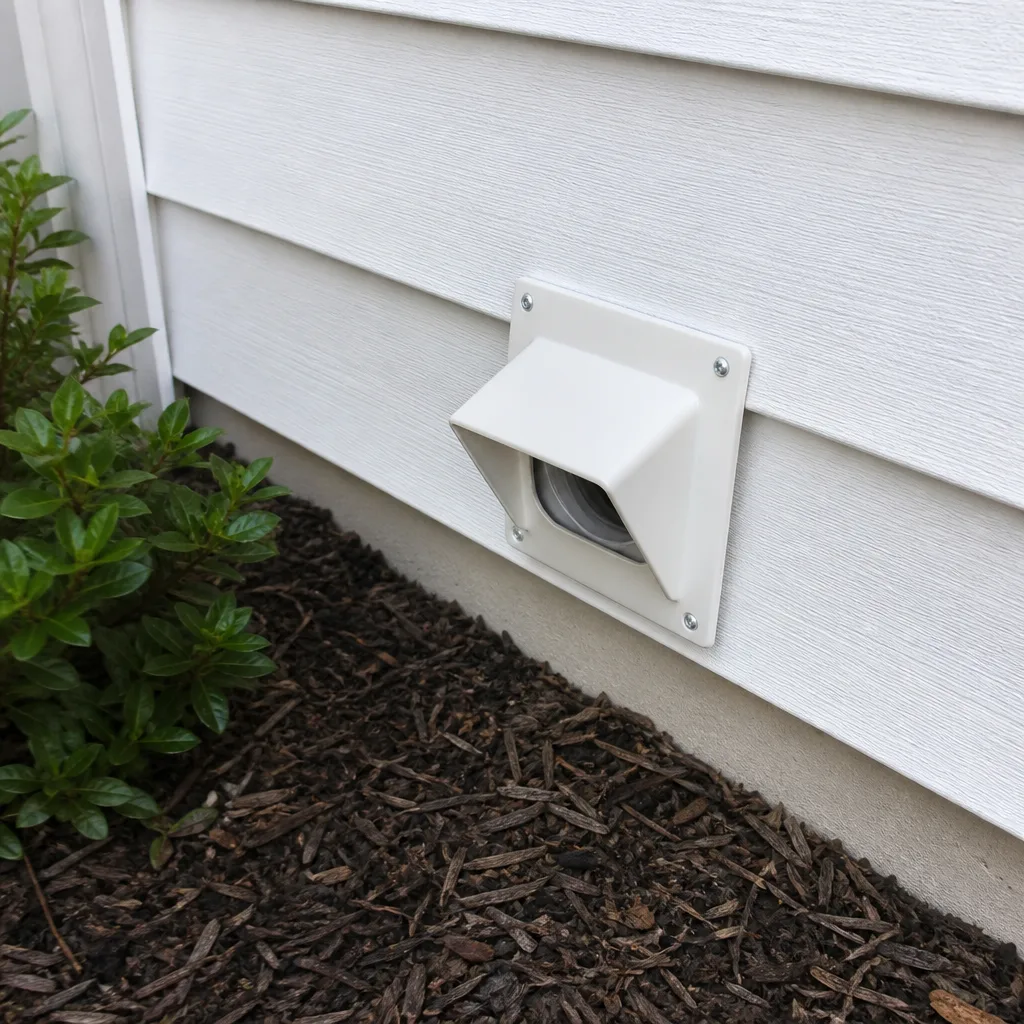
- The vent termination cap outside the home is stuck closed or missing. Walk around to where your vent exits the house – usually through the side or soffit. If the damper flap doesn’t open when the dryer runs, or if the cap is gone entirely, pests and outdoor air are entering the duct. In Ashburn, we find bird nests in uncapped terminations several times each spring.
- It’s been more than 12 months since the last cleaning or inspection. The National Fire Protection Association recommends annual dryer vent cleaning for standard-use households. A family of four running six or more loads per week can accumulate enough lint in a single year to restrict airflow by 30 to 40 percent.
- The home has recently been purchased or the vent route has never been documented. Many Ashburn homes built between 2000 and 2015 in communities like Ashburn Village, Brambleton, and One Loudoun have vent runs that were roughed in during construction and never professionally verified. A camera inspection tells you exactly what path the duct takes, where the elbows are, and whether the run meets current clearance standards.
Our Dryer Vent Inspection Process
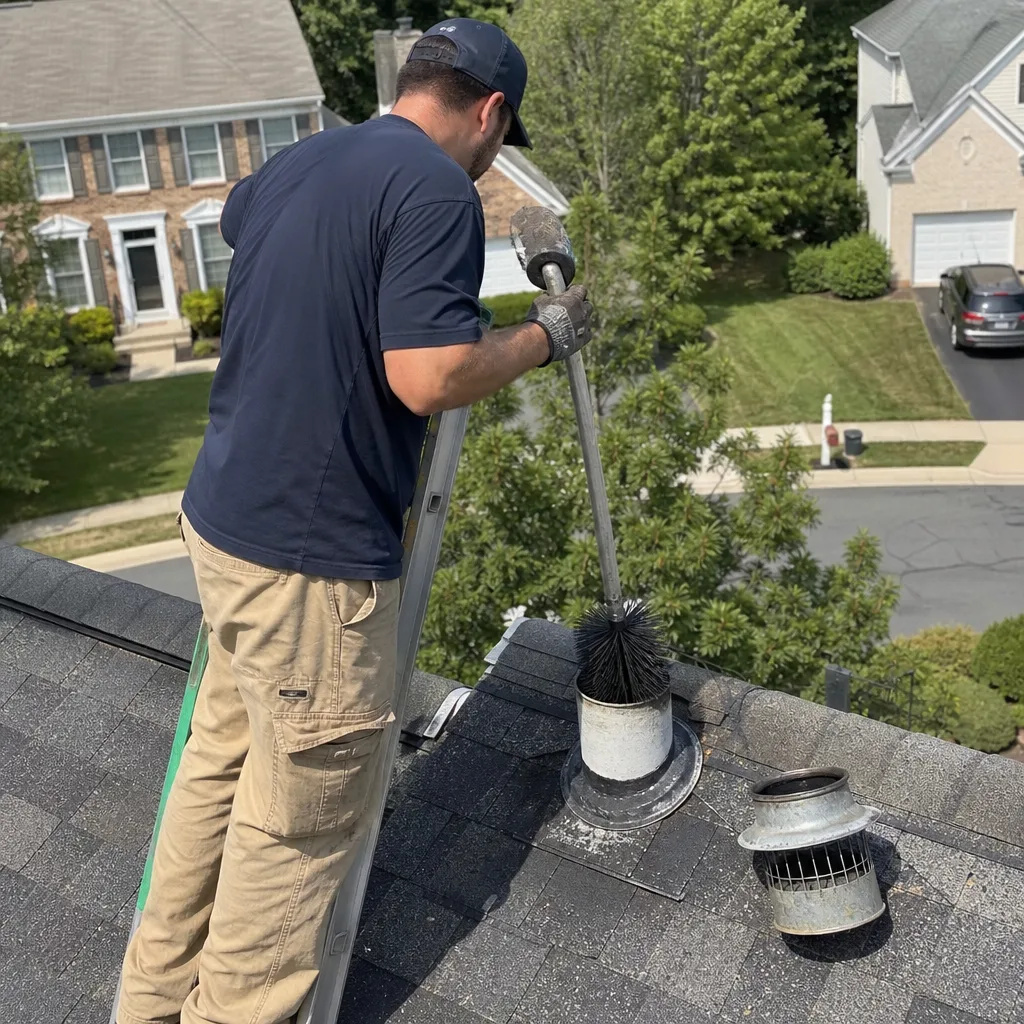
We don’t inspect a dryer vent with a flashlight and a hunch. The process is methodical, camera-documented, and produces a written record you keep. Here’s how it works:
- Written price before anything else. Before the technician touches the appliance, you receive a written inspection price. Haven Standard Clause 1 means the number is fixed – there’s no “it depends what we find” adjustment to the inspection fee itself. If additional cleaning or repair work is warranted, that’s quoted separately in writing before any work begins.
- Exterior termination check. The technician goes outside first and documents the termination cap location, cap condition, damper function, and clearance from grade, soffit, or adjacent surfaces. In Ashburn, Virginia code follows the International Mechanical Code, which requires dryer vent terminations to be at least 3 feet from any opening into the building. We photograph the termination before touching it.
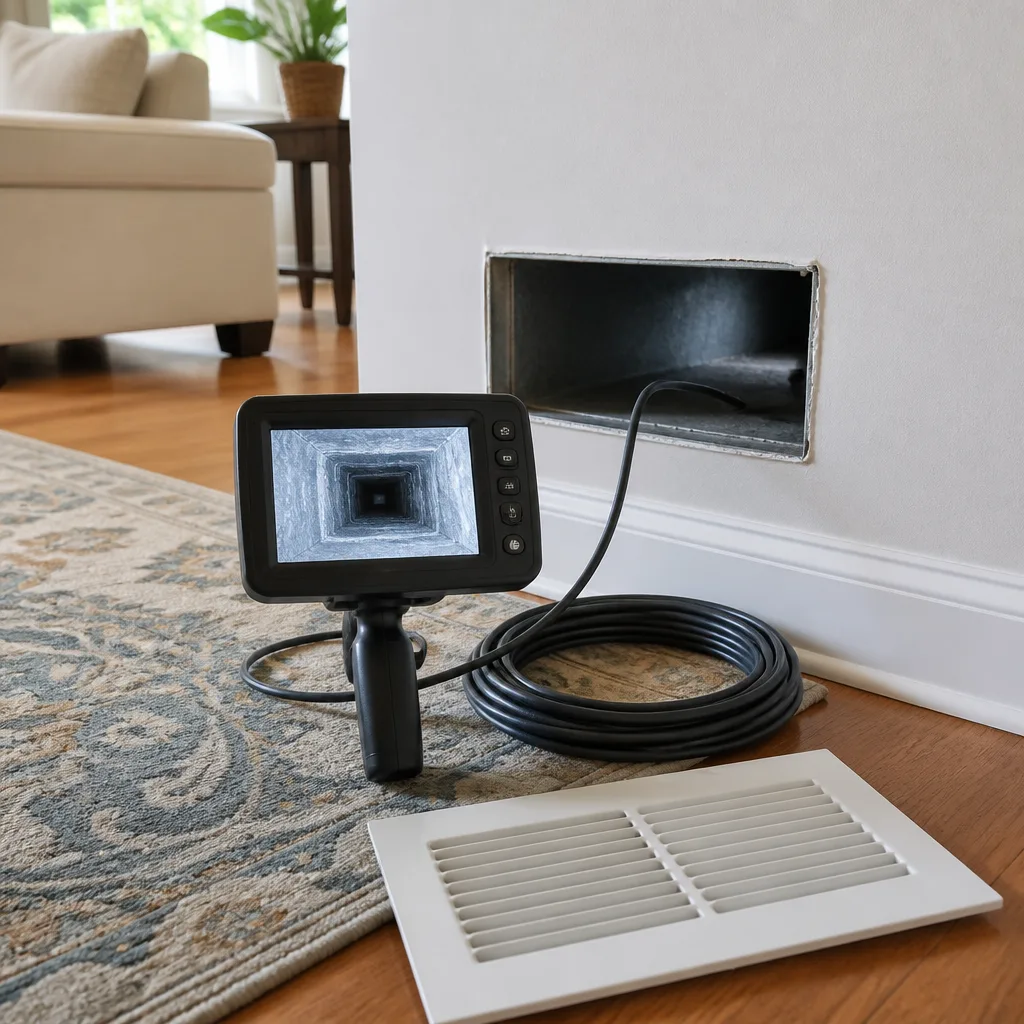
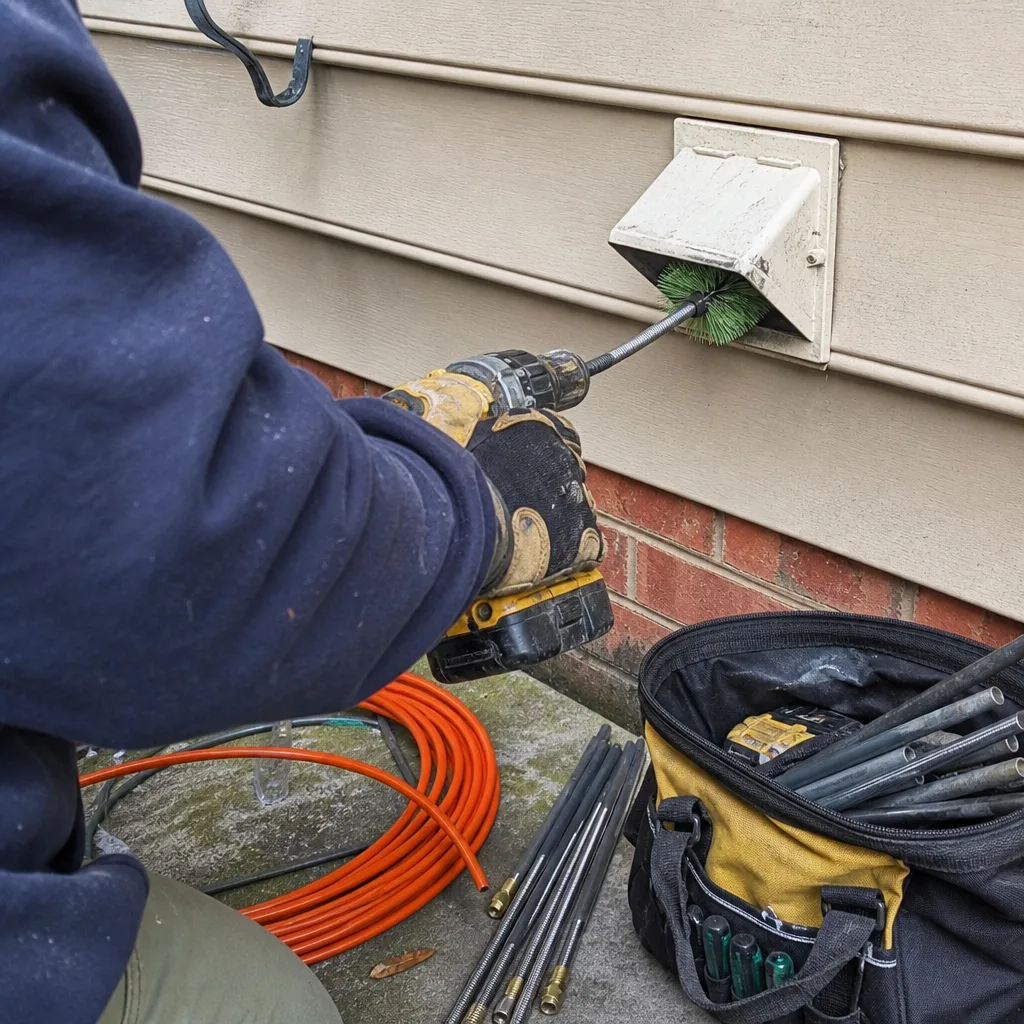
- Camera run through the full duct length. A flexible camera travels from the dryer connection point through every elbow and straight section to the termination. The camera captures the interior condition of the duct wall, any lint accumulation, any visible kinks or crush points, and the presence of foil flex, rigid metal, or non-compliant plastic duct material. We use professional-grade equipment – including tools from Rotobrush – that can navigate the kind of multi-elbow runs common in Ashburn townhomes and three-story colonials. Every frame of footage that shows a condition worth noting is photographed and added to your job record.
- Airflow measurement at the termination point. We measure cubic feet per minute (CFM) at the exterior cap while the dryer runs. A healthy residential dryer vent should move roughly 100 to 180 CFM depending on the dryer model and run length. If the number is significantly below that range, the camera footage usually shows why. This measurement is recorded in writing alongside the camera documentation.
- Written findings report delivered on-site. Before the technician leaves, you receive a written summary: duct material type, total run length, number of elbows, measured airflow, any code concerns noted, and photographic documentation of every condition found. If the vent is clean and unobstructed, the report says exactly that. If it isn’t, the report describes what was found – “3-inch lint accumulation at the first elbow, approximately 4 feet from the appliance connection” – and the technician quotes the cleaning or repair in writing. No verbal estimates, no “trust me” assessments.
- Free second opinion on any written estimate. If you’ve already had another company give you a quote for dryer vent cleaning or repair in Ashburn, bring that estimate. We put our written number next to theirs before any work starts. This applies to every CleanRun job – Haven Standard Clause 5.
BeforeAfterDryer Vent Inspection Pricing in Ashburn
How Much Does Dryer Vent Cleaning Cost? (2026 Price Guide) - Ashburn, VA: our dryer vent inspection runs $79-$149 for most residential properties. The written price you receive before work begins reflects the specific conditions of your home – not a bait-and-switch coupon that balloons once a technician is inside.
| Inspection Scenario | Typical Price Range |
|---|---|
| Standard single-family home, accessible vent run up to 15 feet | $79-$99 |
| Townhome or condo with interior vertical or lateral run, 15-25 feet | $99-$129 |
| Complex route: 25+ feet, 3+ elbows, or second-floor laundry with roof exit | $129-$149 |
| Inspection bundled with same-day dryer vent cleaning | Inspection fee credited toward cleaning cost |
What affects the price is straightforward: total duct length, number of direction changes (elbows), access point location, and whether the termination is a standard side-wall exit or a soffit or roof penetration. Roof terminations require a separate ladder setup and take longer to reach safely.
If inspection reveals a clean vent, you pay the inspection fee and leave with a written record confirming it. If it reveals lint accumulation or damage, the cleaning or repair quote is written and itemized on-site. You decide whether to proceed – no pressure, no package upselling.
Call (240) 771-1508 for your written inspection price. All estimates are free, and every price is in writing before we begin.
What Dryer Vent Inspections Find in Ashburn Homes
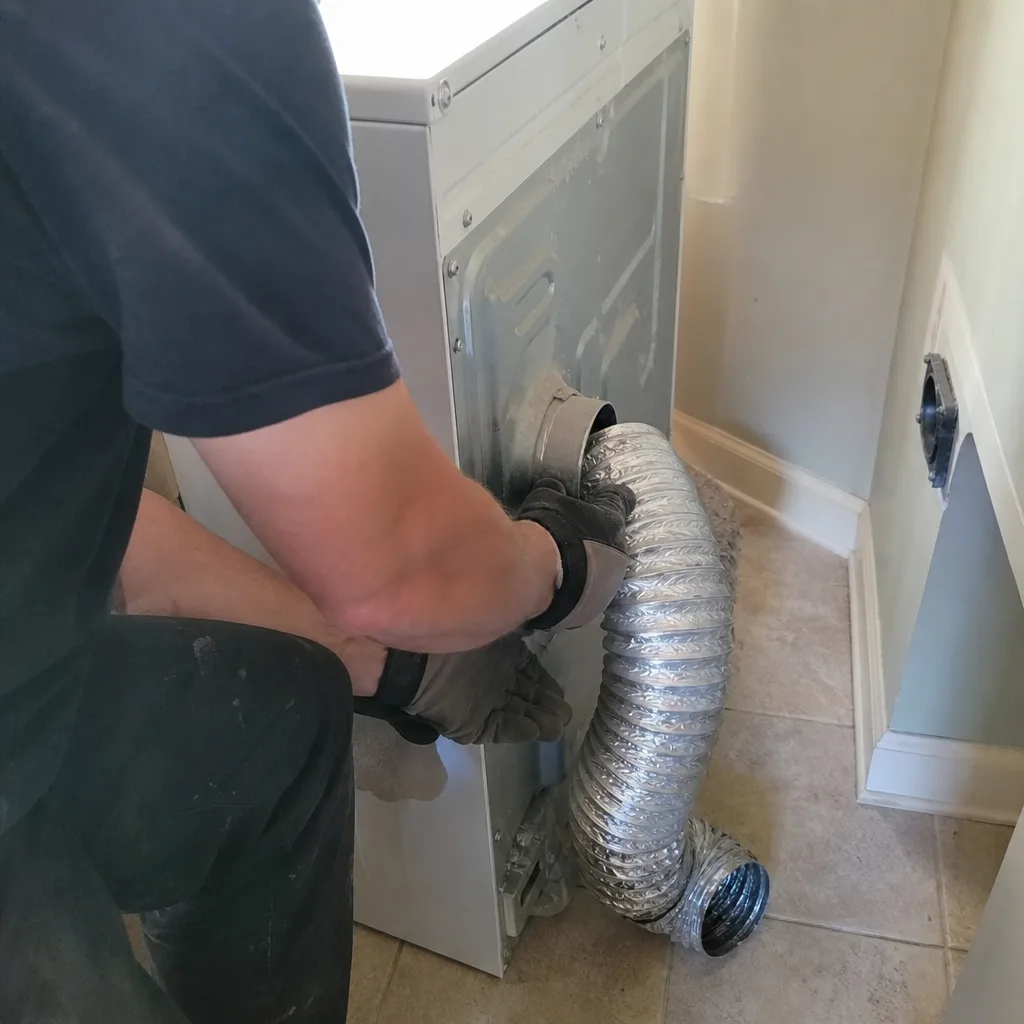
Ashburn presents a specific set of conditions that make dryer vent inspections more than routine. Here’s what we actually find, neighborhood by neighborhood.
Long interior runs in Brambleton and Broadlands townhomes
Townhomes built in Brambleton between 2005 and 2018 frequently have laundry closets on the second floor, with vent runs that travel 20 to 28 feet through interior walls before exiting through the side of the building. Every linear foot of duct adds resistance to airflow; every 90-degree elbow adds the equivalent of approximately 5 feet of straight run. A second-floor laundry with three elbows and a 22-foot run is already near the practical airflow limit before any lint accumulates. When we run the camera through these runs, we routinely find partial blockages at the second elbow – the one that redirects from horizontal to the final approach to the exterior wall.
Foil flex duct in older Ashburn Village homes
In Ashburn Village and the older sections of Ashburn Farm – homes built in the early to mid-1990s – we still find foil flex duct in a significant percentage of inspections. Virginia’s adopted mechanical code currently requires rigid metal or semi-rigid aluminum duct for dryer vents; foil flex is no longer compliant for new installations and, on homes this age, is often kinked, partially compressed, or has developed pinhole tears that allow lint to deposit inside wall cavities. The camera makes this visible in a way that no external inspection can.
Bird and pest intrusion near One Loudoun and Moorefield
The newer developments near Route 7 – One Loudoun, Moorefield, and the Ryan Homes communities along Loudoun County Parkway – sit adjacent to enough green space that European starlings and house sparrows treat uncapped or poorly sealed dryer vent terminations as nesting sites. We’ve extracted active bird nests from dryer vents in this part of Ashburn every spring for the past several years. A nest completely blocks airflow. The risk here isn’t just inconvenience – accumulated nesting material in a hot vent duct is a fire hazard, and the inspection camera shows the blockage clearly before any work begins.
Damaged termination caps in HOA-governed communities
A significant number of Ashburn’s neighborhoods are governed by homeowner associations that require specific exterior cap styles for aesthetic uniformity. The louvered plastic caps common in many of these communities deteriorate in UV exposure and close permanently over time – the spring-loaded damper seizes, and the cap looks fine from the street but doesn’t open when the dryer runs. Our airflow measurement catches this immediately; the camera confirms it.
FAQs – Dryer Vent Inspection in Ashburn
How often should I get a dryer vent inspection in Ashburn, VA?
Most Ashburn households should have the vent inspected and Vent Cleaning done at least once per year. Families running six or more loads per week – common with two or more children – may need service every eight months. Homes with longer duct runs (over 20 feet), multiple elbows, or second-floor laundry rooms accumulate lint faster and benefit from more frequent inspections. If you’ve never had the vent documented with a camera since moving in, that’s the place to start regardless of when the last cleaning happened. Call (240) 771-1508 for a written inspection price before committing to anything.
Can I inspect the dryer vent myself?
You can check the exterior termination cap yourself – walk outside while the dryer runs and see whether the damper flap opens. That’s a useful first step. What you can’t do from either end is see the interior of the duct run: whether there’s lint accumulation at an elbow 10 feet in, whether a foil flex section has kinked inside the wall cavity, or whether airflow is restricted below safe operating levels. A camera and an airflow meter are the only tools that answer those questions with certainty. The interior of a dryer vent duct isn’t accessible without equipment, and working around a running appliance’s exhaust path has hazards that aren’t worth taking on without the right tools and training.
What happens if the inspection finds a problem?
The technician writes up exactly what was found – duct material, location of the issue, airflow reading, and photographs – and delivers a written quote for the corrective work before touching anything else. You’re under no obligation to proceed with CleanRun; the written findings report is yours to keep. If you want to compare our repair or cleaning quote against a competitor’s, we’ll match their written estimate side by side under our free second opinion policy. If you decide to proceed, the work is covered by the 365-Day Done Right Promise – if it’s not right, we make it right, in writing.
Is a dryer vent inspection different from dryer vent cleaning?
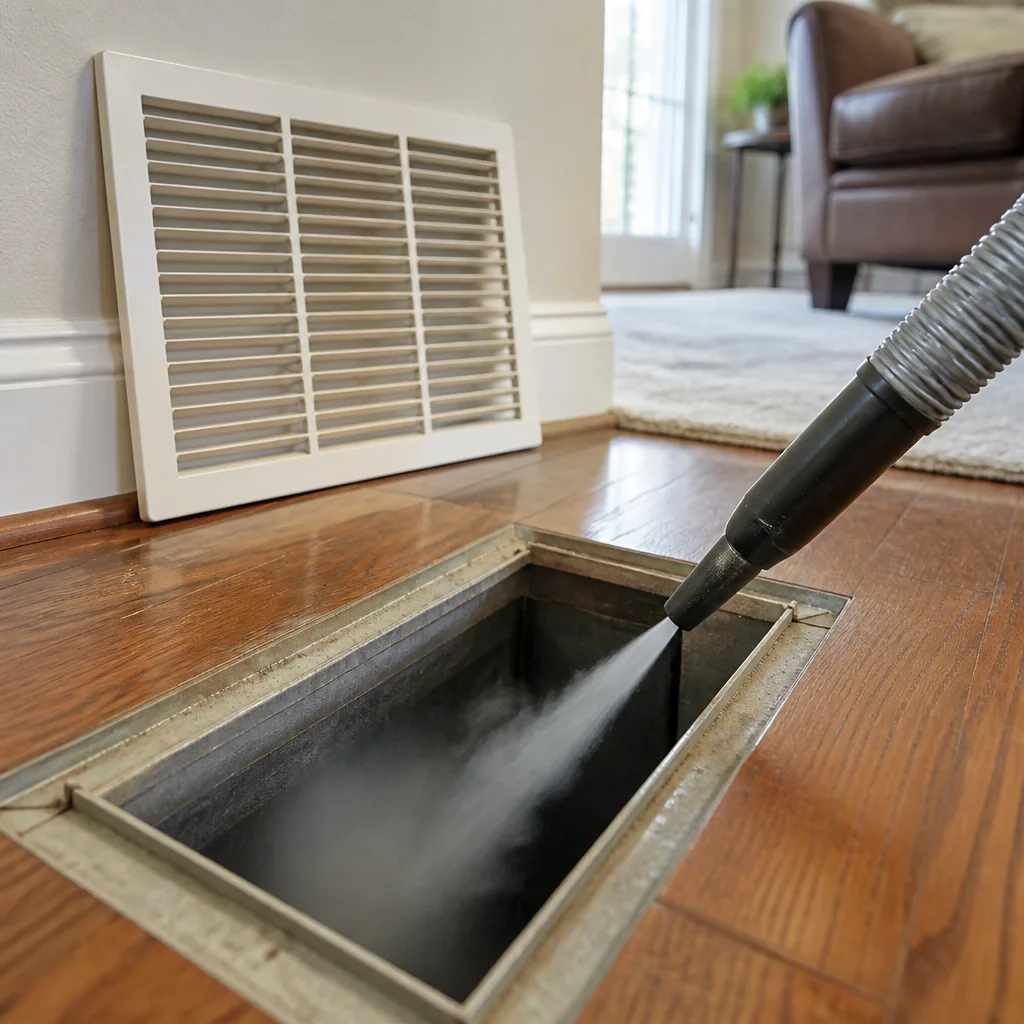
Yes. An inspection documents the condition of the vent – duct material, run length, airflow measurement, interior camera footage, and any code or safety concerns – without necessarily cleaning or repairing anything. Cleaning is the physical removal of lint and debris from the duct walls, typically using negative-pressure extraction equipment (a vacuum system that pulls air and debris toward the exterior rather than pushing it back into the home). Many inspections lead directly to cleaning when the camera shows accumulation; some don’t, because the vent is clean. When both services happen on the same visit, the inspection fee is credited toward the cleaning cost. Our full Dryer Vent Cleaning in Ashburn page covers the cleaning process and pricing in detail.
Why CleanRun for Dryer Vent Inspection in Ashburn
CleanRun has been operating in Ashburn since 2013. Tomas Reyes built the company on a simple standard: document what you find, price it before you start, and back the work in writing. Every technician who arrives at your door is background-checked, uniformed, and identified by name before the appointment. The H.A.V.E.N. Standard – Haven Standard Clause 3: Verified Crews – means you know who is coming into your home before they ring the bell.
We use professional-grade equipment on every dryer vent inspection, including camera systems and airflow measurement tools from trade-recognized manufacturers. Abatement Technologies extraction equipment is used where negative-pressure cleaning follows an inspection on the same visit. Every piece of equipment can be looked up; we don’t describe tools in vague terms and we don’t invent claims about them.
The 365-Day Done Right Promise is documented on every job record. If something isn’t right after we leave – airflow hasn’t improved, a cap isn’t seating correctly, anything we touched – call us and we fix it. That’s written on the job record, not just said here.
We serve Ashburn and the surrounding Loudoun County communities including Brambleton, Broadlands, Ashburn Village, One Loudoun, Moorefield, and Lansdowne. If you’re not sure whether your address falls inside our service area, call (240) 771-1508 and ask. A live person answers.
For a written inspection price with no obligation to proceed, call (240) 771-1508 today. If you’d like to understand the full scope of what we do before and after an inspection, the CleanRun home page covers all five service lines.
Written by Tomas Reyes, Owner at CleanRun Air Duct Cleaning Ashburn, serving Ashburn.