
Last updated September 22, 2026
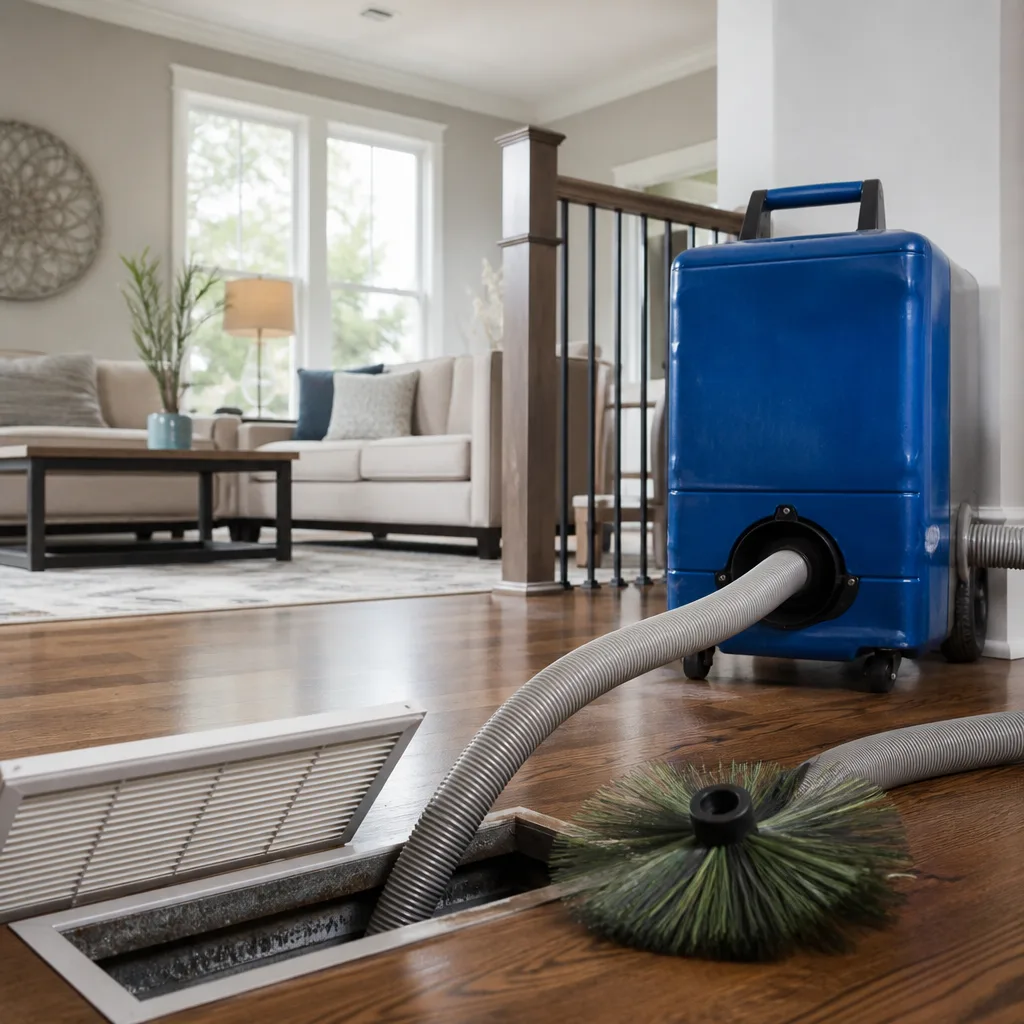
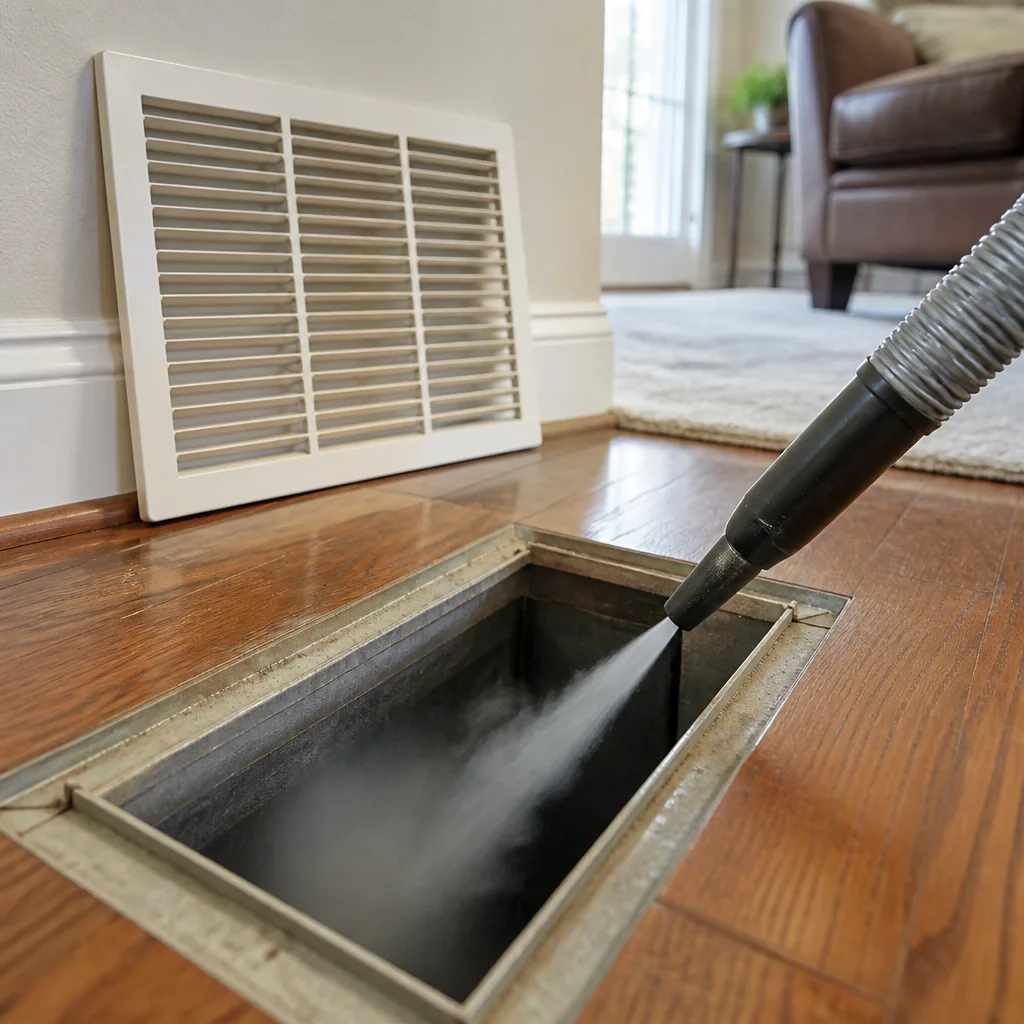
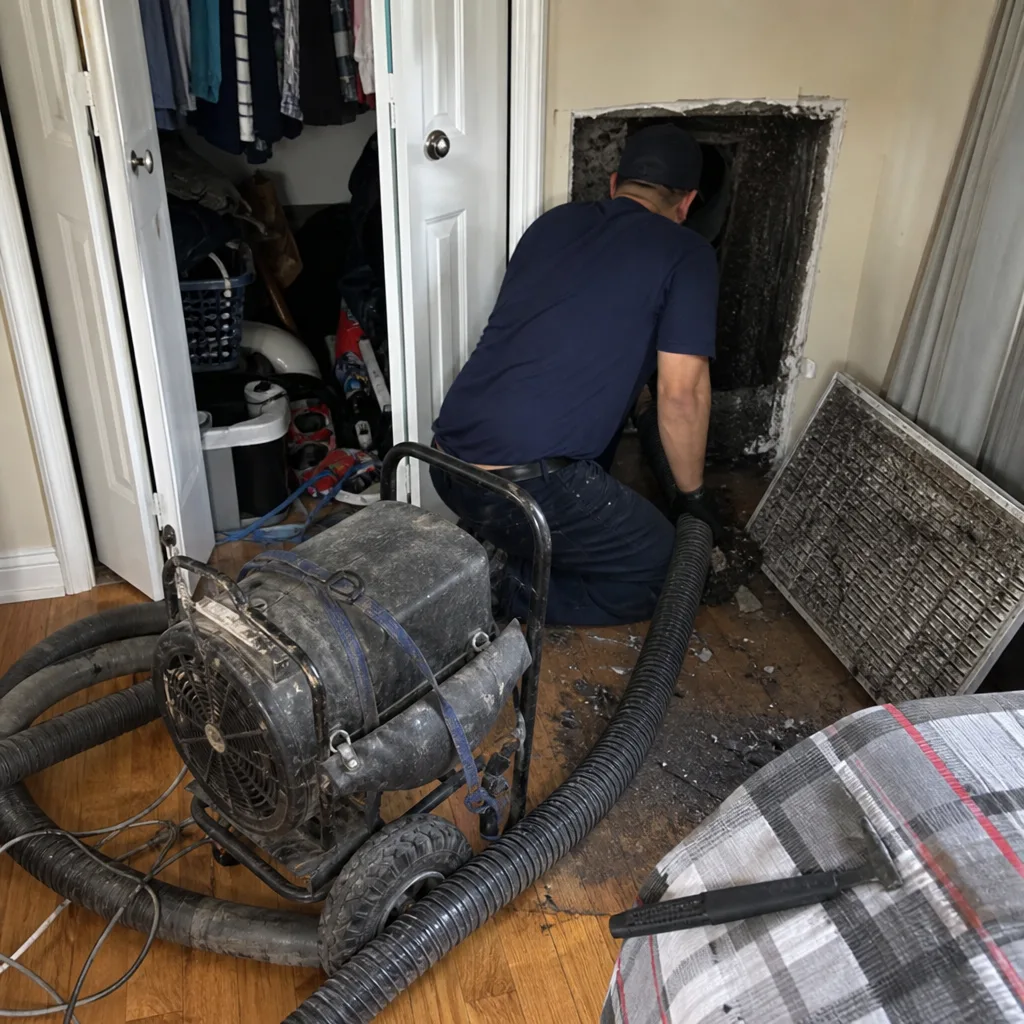
Whole-system duct and dryer vent check with before-and-after photos - you see exactly what came out of your vents
That "$99 whole-house special" is a bait ad - the real number appears once they are in your hallway, or the "clean" is a shop-vac at the register. We photograph the inside of your ducts before and after instead.

 Before
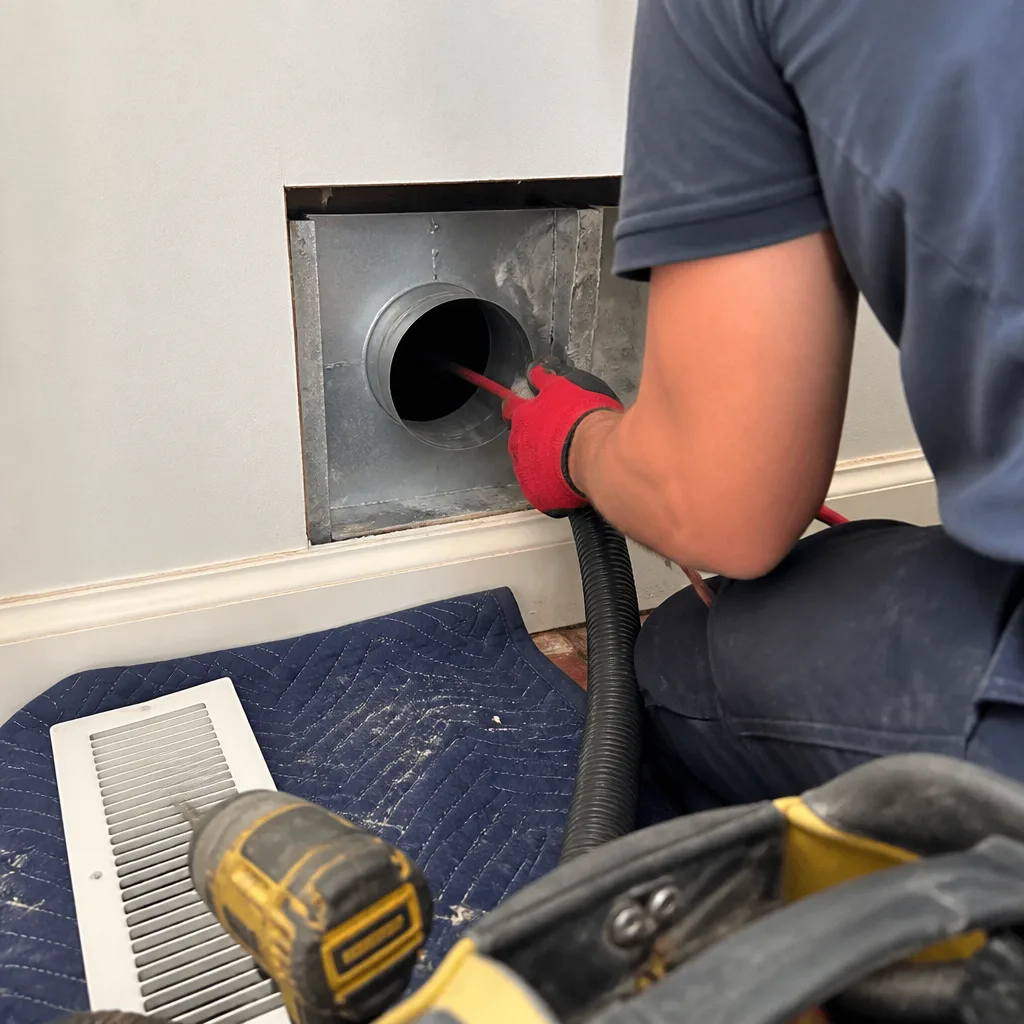 After
After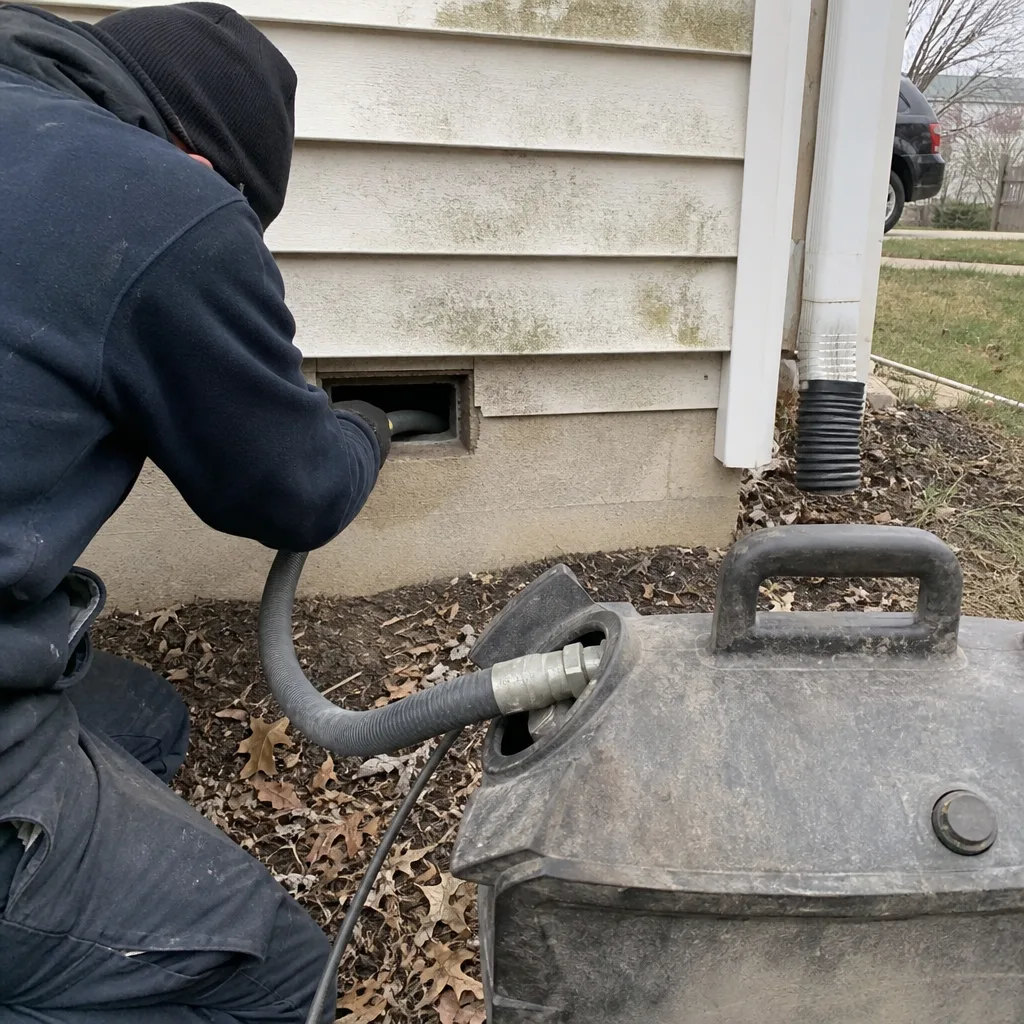 Before
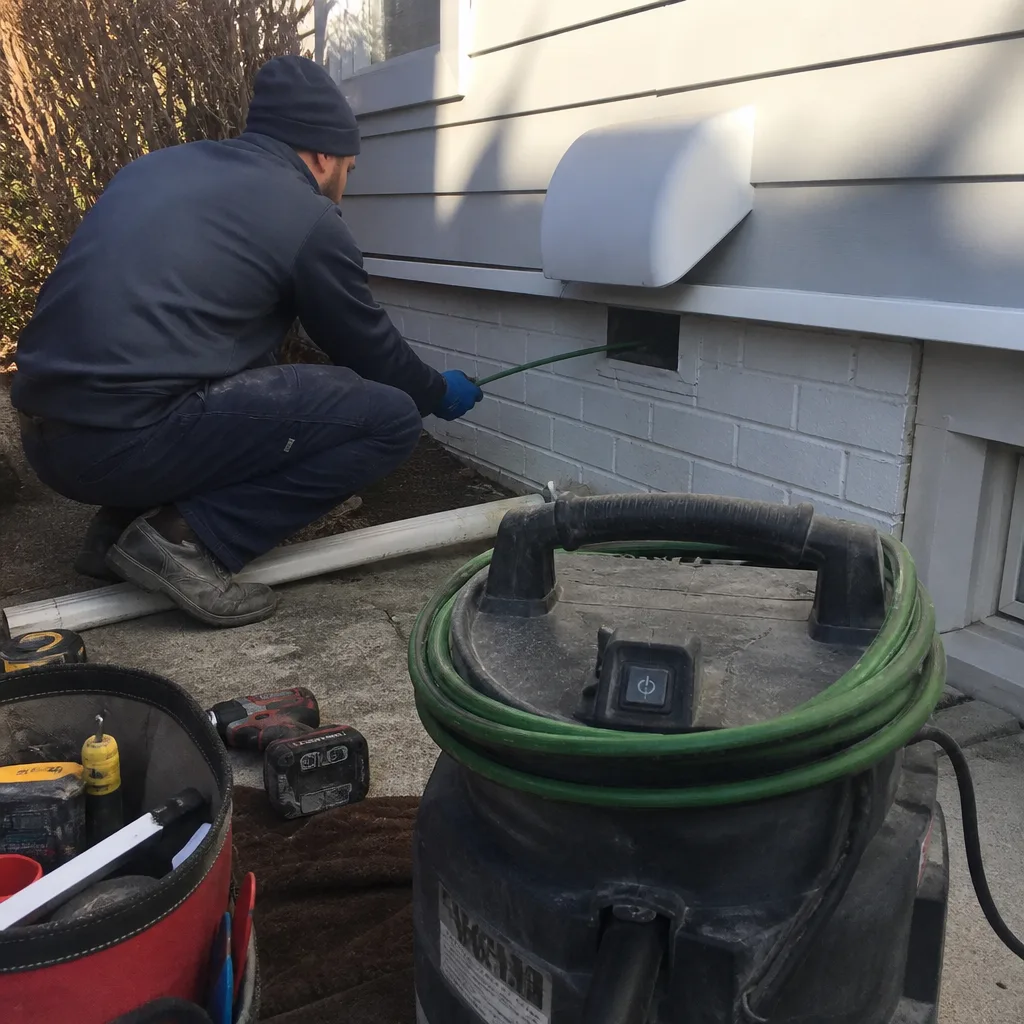 After
After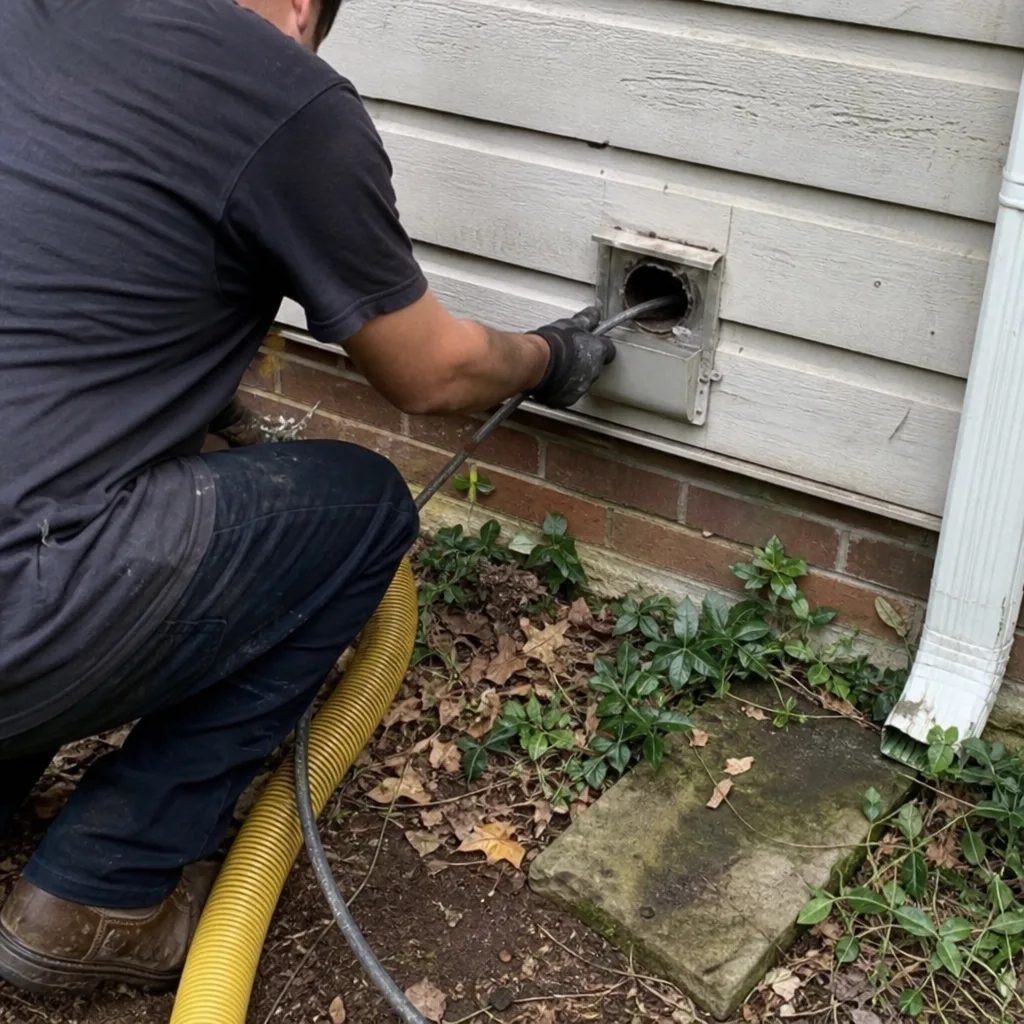 Before
 After
AfterAir Duct Cleaning Warning Signs: A Ashburn Homeowner’s Reference Guide
Here’s the problem with most “warning signs” lists you’ll find online: they’re written to make you pick up the phone, not to help you understand what you’re actually looking at. In our work across Ashburn since 2013, we’ve documented the inside of over 52,000 duct systems, and we’ve learned that dusty registers - the most commonly cited reason to call a duct cleaner - tell you almost nothing about what’s happening six feet back inside the duct run. Register dust accumulates on the grill surface from normal room air circulation; it is not evidence of contamination deep in the plenum or trunk lines. Our Complete Guide to Air Duct Cleaning in Ashburn separates the signs with a documented link to duct condition from the symptoms that could indicate a dozen other problems entirely. You’ll learn which three warning signs justify a professional inspection, which ones point to non-duct issues, and how to perform a free first diagnostic step before you spend a dollar.
Quick Answer
Three warning signs have a genuine, documented link to duct contamination requiring professional cleaning: visible mold growth on sheet metal surfaces at accessible points, confirmed rodent or insect activity with physical evidence such as droppings or nesting material, and post-renovation construction dust verified by opening a supply boot. Dusty registers, musty odors, and uneven room temperatures are real problems but do not automatically indicate dirty ducts; they require further diagnosis. In Ashburn, homes built between 1995 and 2008 with flex duct in unconditioned attics represent the highest-risk segment for both mold and compression damage.
Table of Contents
- The Three Warning Signs with a Documented Link to Duct Contamination
- Real Problems That Are Not Duct-Cleaning Problems
- Your Free First Diagnostic: What a Camera Shows vs. What You Can See Yourself
- Ashburn-Specific Risk Factors: Climate, Construction Era, and Attic Conditions
- How to Photograph and Describe a Warning Sign to Any Contractor
- What a Professional Inspection Actually Includes (and What It Should Cost in Ashburn)
- Common Mistakes to Avoid
- When to Call a Professional
- Frequently Asked Questions
BeforeAfterThe Three Warning Signs with a Documented Link to Duct Contamination
After photographing the inside of every duct run on every job since 2013, we’ve narrowed the field to three signs that consistently correlate with conditions requiring negative-pressure extraction or physical remediation. These are not theoretical; they are what we document with before-and-after photos on jobs across Ashburn, from the Brambleton townhomes to the single-family builds in Ashburn Village.
1. Visible Mold on Sheet Metal at Accessible Points
Mold in a duct system does not hide in the middle of a long trunk line where you cannot reach it. When mold colonizes ductwork, it grows where moisture accumulates at seams, elbows, and the plenum connection - places you can see with a flashlight and a removed register. The key distinction: mold on the sheet metal itself, not mildew on the register grill or surrounding drywall.
What to look for:
- Fuzzy or slimy growth on the interior metal surface, typically gray, green, or black
- Musty odor that intensifies when the system first cycles on, then dissipates
- Pattern that follows a seam or joint, indicating moisture intrusion at that point
In Ashburn’s humid summers, with July dew points regularly climbing into the low 70s, unconditioned attic spaces create condensation on metal duct surfaces. We’ve found this most frequently in homes where flex duct was pulled tight across attic trusses, compressing the insulation and creating cold spots. The mold is a symptom; the moisture source is the root problem. Cleaning alone without addressing the thermal bridge will result in regrowth.
Our approach: we photograph the colonized area, identify the moisture source, and include remediation of both in the written scope. The photo record shows the customer exactly which runs were affected and which were not.
2. Confirmed Rodent or Insect Activity with Physical Evidence
Droppings, nesting material, or insect casings inside a duct run are not a cleaning issue alone; they are a contamination event requiring physical removal and sanitizing. This is not the same as finding a dead insect on a register. The evidence must be inside the ductwork, verified by visual inspection or camera.
In Ashburn, we’ve documented this most often in:
- Homes adjacent to undeveloped parcels or parkland, particularly near the W&OD Trail corridor
- Properties with mature oak and maple canopies that provide roof access
- Homes with crawl space duct penetrations that were never properly sealed
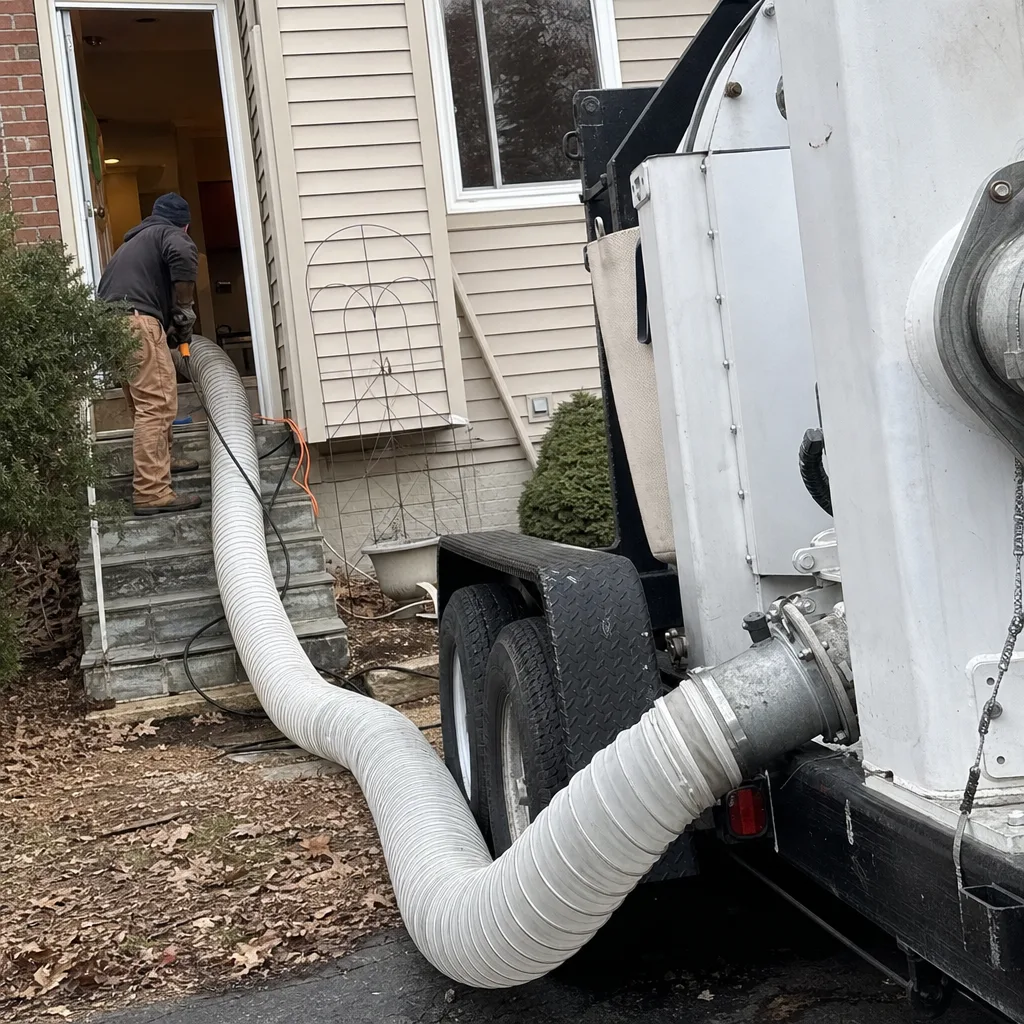
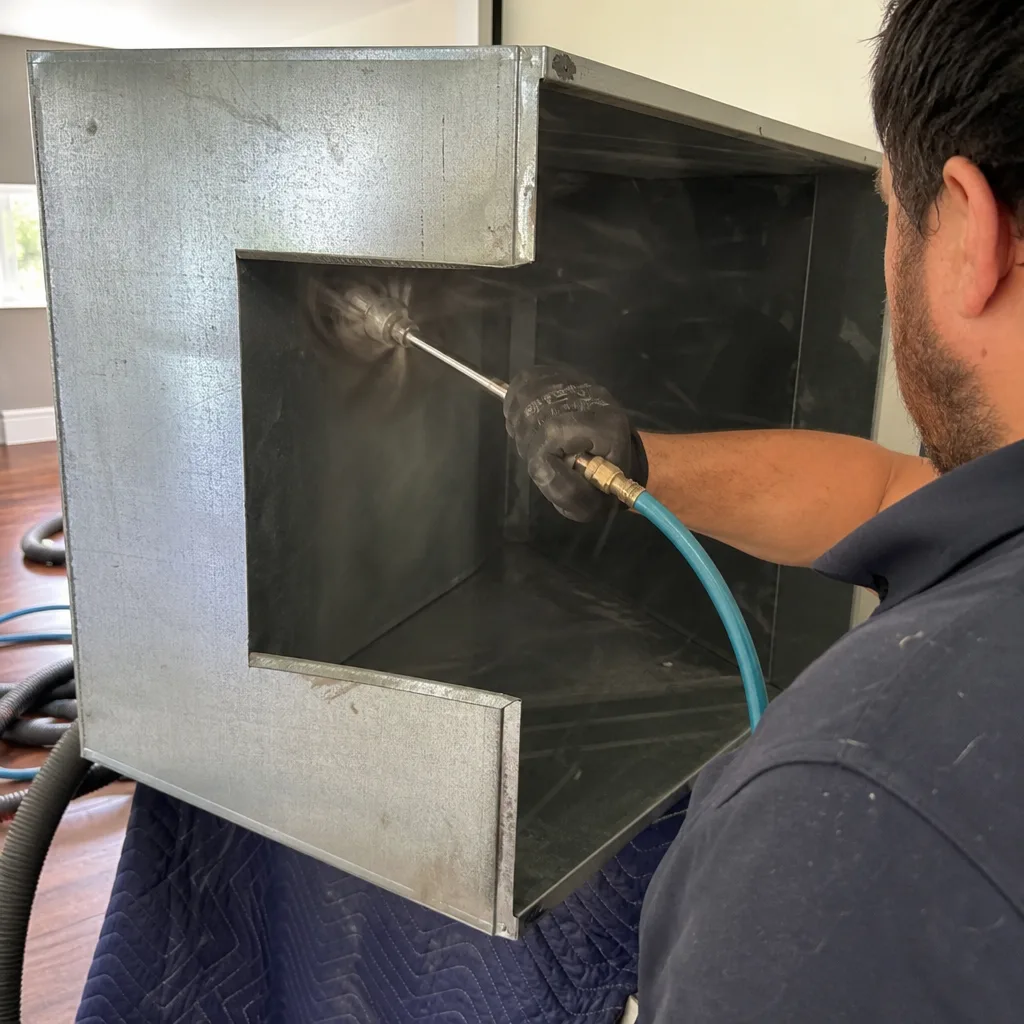
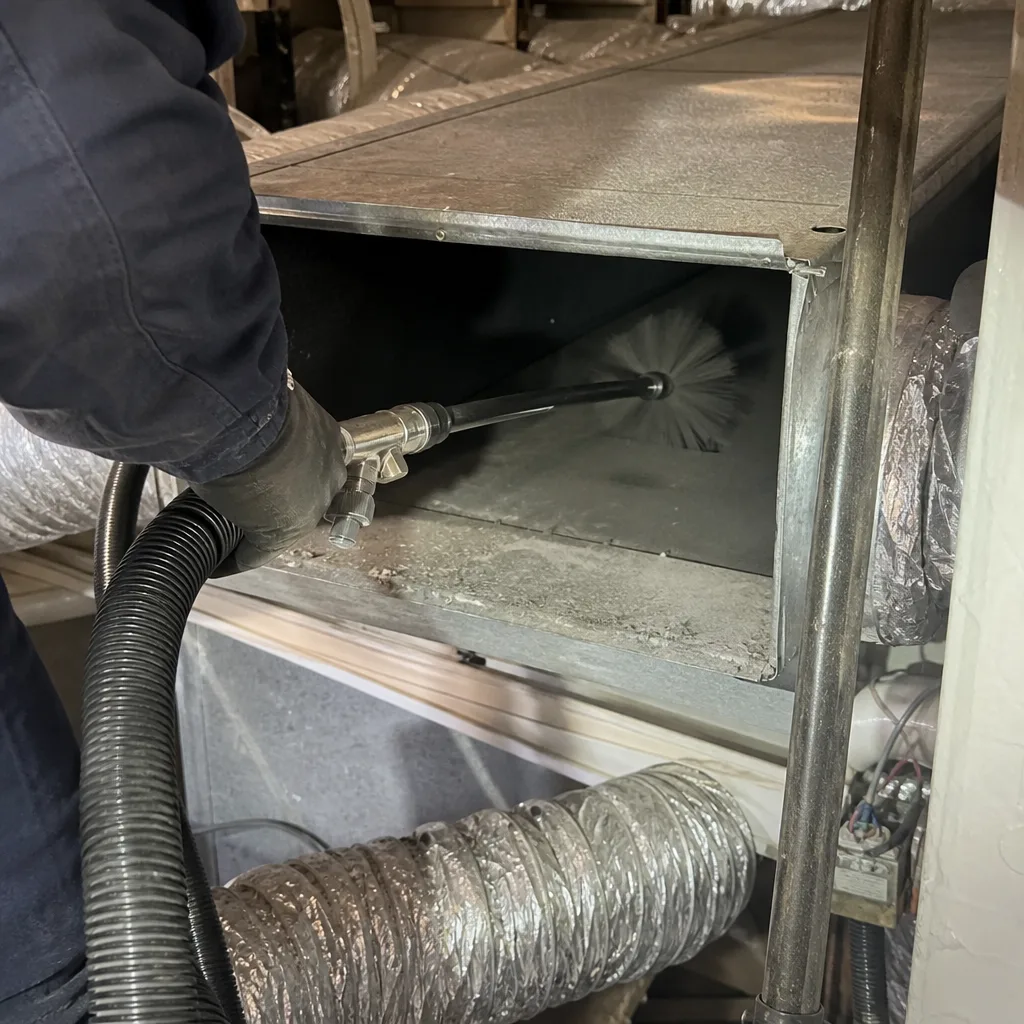
The health concern is not aesthetic. Rodent waste can carry hantavirus and leptospirosis; insect debris is a known allergen trigger. A shop vacuum will not address this. The affected duct runs require Air Duct Cleaning with physical agitation using professional-grade equipment - we use Rotobrush and Nikro systems - followed by HEPA-filtered negative-pressure extraction and application of an EPA-registered sanitizer.
3. Post-Renovation Construction Dust Verified at the Supply Boot
Construction dust is not ordinary household dust. It contains drywall compound, silica from tile cutting, wood fiber, and often volatile organic compounds from new materials. When HVAC systems run during or after renovation without proper isolation, this material deposits throughout the duct system.
The verification step: remove a supply register and inspect the boot (the sheet metal fitting that connects the duct to the floor or wall). If you see a layer of fine, gray-white dust that wipes away to reveal clean metal beneath, you have construction residue in that run. If it’s in one, it’s likely in others that shared air during the renovation.
We see this frequently in Ashburn’s active renovation market, particularly in the 1990s-era homes in Farmwell Hunt and Ashburn Farm where owners are updating kitchens and opening floor plans. The HVAC often runs continuously during construction to manage temperature for workers, pulling debris through returns that were never masked.
Real Problems That Are Not Duct-Cleaning Problems
Three symptoms routinely send homeowners searching for DIY vs Professional Air Duct Cleaning guidance when the ducts themselves are not the issue. Misdiagnosing these leads to spending on cleaning that will not resolve the symptom.
High Static Pressure Readings
Static pressure is the resistance to airflow in your HVAC system, measured in inches of water column. Normal residential systems operate between 0.5 and 0.9 inches. Readings above this range indicate restriction - but restriction comes from duct sizing, crushed flex duct, closed dampers, or clogged filters, not from interior dust accumulation on duct walls.
We’ve measured static pressure in hundreds of Ashburn homes. In the 2000s-era builds with undersized return trunks, the pressure reading is high from the day of construction. Cleaning the ducts will not change the duct diameter. The solution is duct modification or balancing, which falls under our Air Duct Cleaning in Ashburn service scope as repair and sealing, not cleaning.
Uneven Room Temperatures
A bedroom that runs five degrees warmer than the living room is almost never a dirty duct problem. It is a balancing, insulation, or duct leakage problem. In Ashburn’s older subdivisions like Ashburn Village, we’ve found disconnected flex duct in attics, dampers that were never adjusted after original construction, and supply runs that were never properly sealed at the plenum. The camera shows clean duct walls and a 50% air loss at a disconnected collar. Cleaning would be irrelevant.
Persistent Musty Odor
Musty smell that intensifies when the system runs usually originates at the evaporator coil or condensate drain pan, not the ducts. The coil sits in the plenum above your furnace or air handler; it stays wet for months during cooling season and is a primary mold growth site. The odor travels through the ducts, so it smells like “duct smell.” But cleaning the ducts without addressing the coil is like washing a glass that smells because the milk inside spoiled.
Our inspection protocol includes coil and drain pan assessment. If the coil is the source, we scope it separately and quote HVAC Cleaning in Ashburn as a distinct service, not a duct cleaning upsell.
Your Free First Diagnostic: What a Camera Shows vs. What You Can See Yourself
Before you call any contractor, including us, perform this five-minute inspection. It costs nothing and will tell you whether you have a condition worth professional evaluation.
- Turn off the HVAC system. Running air disturbs loose debris and makes visual inspection unreliable.
- Remove a supply register in a room you use daily. Choose one that has been in place for years, not a recently cleaned or replaced grill.
- Photograph the boot and the first 12 inches of visible duct. Use your phone’s flash. The boot is the sheet metal fitting you see when you look down into the opening; the duct extends back from it.
- Note what you see:
- Clean metal with normal household dust? No action needed.
- Thick, fuzzy buildup that obscures the metal surface? Document and call for evaluation.
- Discoloration that follows a seam or joint? Possible moisture intrusion; document and call.
- Debris that looks like insulation fragments or construction material? Document and call.
- Replace the register and compare your photo to the register surface. If the register is dusty but the boot is clean, you have normal room air deposition, not duct contamination.
This is what we call the homeowner’s free first diagnostic. It cannot see around elbows or deep into trunk lines, but it eliminates the most common false positive: register dust misread as duct contamination. When we arrive for a professional inspection, we extend this with a borescope camera that navigates the full duct run, photographing every elbow and connection. The difference is that our camera reaches 25 feet into the system; your phone reaches 12 inches. Both have value.
We’ve had Ashburn homeowners cancel appointments after performing this step and finding clean boots. That’s the right outcome. Haven Standard Clause 1 is written pricing, but it presumes there is work to price. No work, no charge, no appointment needed.
Ashburn-Specific Risk Factors: Climate, Construction Era, and Attic Conditions
Ashburn’s housing stock and climate create specific risk profiles that don’t apply uniformly across Northern Virginia. Understanding these helps you interpret warning signs in context.
The 1995-2008 Flex Duct Era
Ashburn’s largest construction waves - Ashburn Farm, Ashburn Village, Brambleton’s early phases, and the single-family builds south of Route 7 - used flexible ductwork extensively. Flex duct is a plastic inner liner wrapped in fiberglass insulation and a vapor barrier. When installed in unconditioned attics, as most Ashburn homes have, it is vulnerable to two failure modes we document regularly:
- Compression damage: Flex duct pulled tight across truss chords or pinched by storage items in the attic collapses the internal diameter. Air velocity increases, noise increases, and the compressed section becomes a debris trap where turbulence drops particulate out of the airstream.
- Insulation degradation: Over 15-25 years, the fiberglass wrap compresses and the vapor barrier deteriorates. Cold attic air reaches the plastic liner, causing condensation. We’ve photographed mold growth on the interior surface of flex duct in Ashburn homes where the exterior insulation was visibly flattened.
Homes in this era with original flex duct are our highest-inspection-request category. The warning sign is often reduced airflow at registers combined with the inspection finding of compressed or degraded duct. Cleaning alone does not address compression; repair or replacement is required.
Humidity and Seasonal Cycling
Ashburn’s climate features humid summers with dew points in the upper 60s to low 70s from June through September, and dry winters with indoor relative humidity often below 30% with heating. This seasonal swing stresses duct systems in unconditioned spaces. Summer condensation on cold duct surfaces creates moisture for mold; winter shrinkage of duct sealants and flex duct connections creates leakage paths that draw attic air into the system.
We’ve found that homes with whole-house humidifiers set above 40% in winter compound the problem: warm, moist supply air hits cold attic duct surfaces at the plenum connection, creating a condensation point we photograph repeatedly in January and February service calls.
Proximity to Construction and Agriculture
The ongoing development in Loudoun County, particularly west of Ashburn toward Leesburg and south toward Aldie, generates particulate load from grading, road work, and construction traffic. Homes within a half-mile of active construction sites show measurably higher dust accumulation in returns. The CleanRun Air Duct Cleaning Ashburn home page tracks seasonal patterns; we typically see elevated cleaning requests in Ashburn 6-12 months after major ground-breaking events, as the particulate cycle completes through HVAC systems.
How to Photograph and Describe a Warning Sign to Any Contractor
The goal is to receive a specific, written response to your specific condition, not an automatic “we’ll come take a look” that leads to a sales visit. Here’s how to get useful information before you commit to an appointment.
Photography Standards
Use your phone’s flash. Dark photos of duct interiors are useless. Include a reference object for scale - a pen, a quarter, or your finger. Photograph the register, the boot, and any visible duct surface. If you have multiple registers with different conditions, photograph the best and worst.
Description Template
Email or text the contractor with this structure:
- Home age and location: “Built 2004 in Ashburn Farm, original flex duct in unconditioned attic”
- What you observed: “Removed master bedroom supply register, found 1/4-inch gray buildup on boot surface, metal visible beneath when wiped”
- When you noticed it: “Register has seemed dusty for two years; checked boot today after reading about register vs. duct dust”
- System behavior: “No odor, no temperature issues, airflow seems normal”
- What you want: “Based on this description, is this a condition that typically requires cleaning, or is this normal accumulation?”
A contractor who responds with a specific assessment based on your description is demonstrating diagnostic capability. A contractor who responds with “we need to come look” without addressing your description is not. At CleanRun, we review photos sent to our line daily and provide direct feedback. If the boot is clean, we say so. Haven Standard Clause 1 applies to jobs we perform, but it starts with honest evaluation of whether a job exists.
What a Professional Inspection Actually Includes (and What It Should Cost in Ashburn)
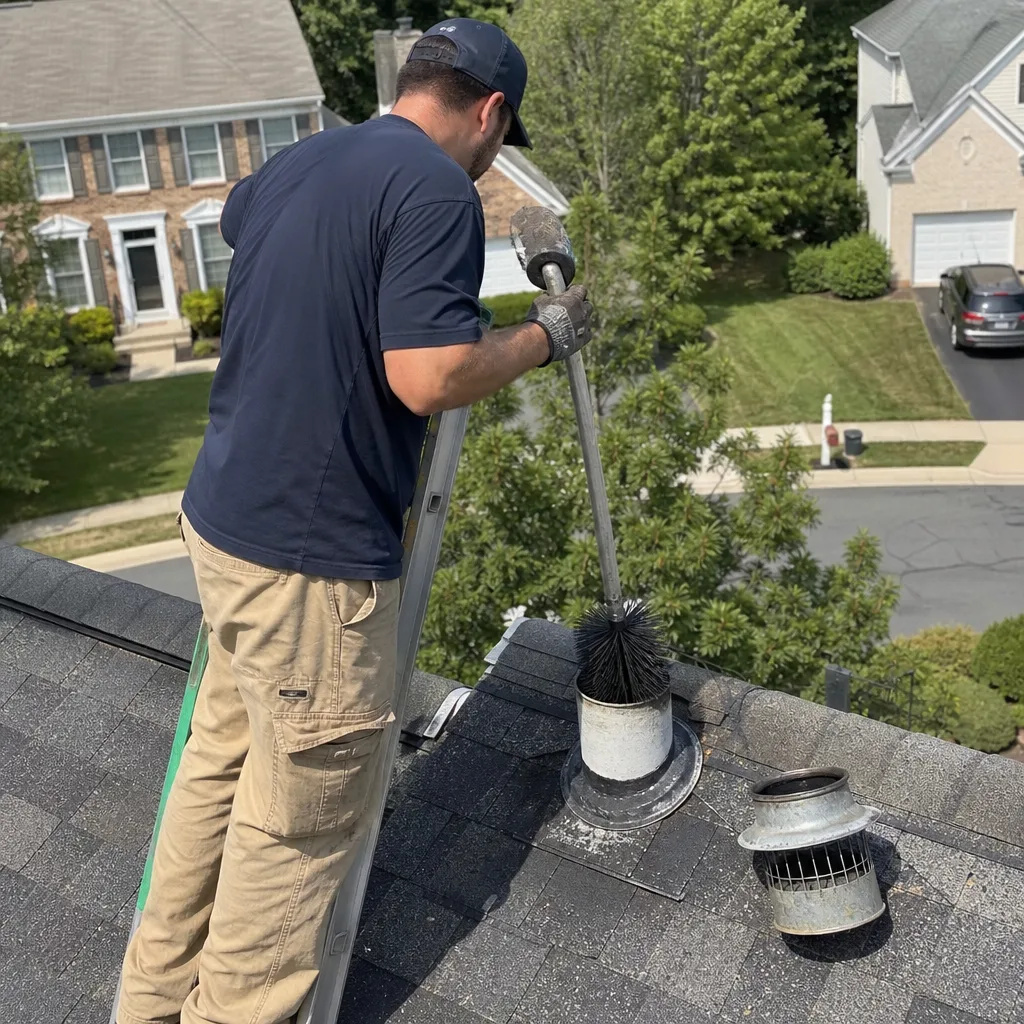
Not all inspections are equal. Understanding the components lets you evaluate what you’re being offered.
Components of a Proper Inspection
- Visual assessment of accessible ductwork: Boots, plenum, and any exposed trunk lines in basement, crawl space, or attic.
- Borescope camera navigation: A camera on a flexible rod inserted through registers to photograph the interior of each duct run. We photograph every run, every job, since 2013.
- Static pressure measurement: Taken at the air handler to identify restriction or leakage issues.
- Coil and drain pan inspection: Visual and photographic assessment of the evaporator coil for mold or debris that could be the true odor source.
- Written findings report: Not a verbal summary, but a document with photos and specific recommendations.
Pricing in the Ashburn Market
Inspection-only services in Ashburn typically range from $89 to $150, with some companies applying this to the cleaning cost if work proceeds. Be cautious of “free inspections” that are clearly sales visits; the cost is recovered in the cleaning quote. At CleanRun, we do not charge for estimates. We perform the inspection, provide the written findings, and quote a flat price per system. If you decline, there is no charge. Haven Standard Clause 1: written price before any work starts, every time.
Whole-system duct cleaning in Ashburn, when conditions warrant it, typically ranges from $450 to $850 for a single-system home, depending on system size, accessibility, and contamination level. This includes the documented photo record of every run, delivered as part of the standard job record. We do not quote per-vent prices; the flat price covers the complete system.
| Service Component | Typical Ashburn Range | What’s Included |
|---|---|---|
| Inspection with written findings | $89-$150 (or free at CleanRun) | Camera photos, static pressure, coil check |
| Whole-system duct cleaning | $450-$850 | All supply and return runs, photo record |
| Duct repair/sealing (if needed) | $200-$600 additional | Compression damage, disconnected runs, sealant application |
| Coil and pan cleaning (if needed) | $150-$350 additional | Non-acid foaming cleaner, drain line flush |
Common Mistakes to Avoid
- Interpreting register dust as duct contamination. The grill surface collects room air particles; it is not diagnostic of interior duct condition. Wipe the register, check the boot.
- Accepting a per-vent quote. Per-vent pricing creates incentive to sell more vents, not to solve your problem. A flat price per system, agreed in writing, aligns the contractor’s interest with complete work.
- Ignoring the construction era. Ashburn homes built 1995-2008 with attic flex duct have specific vulnerability patterns. A contractor who does not ask about construction era is not performing relevant diagnosis.
- Cleaning without addressing moisture source. Mold recurrence is guaranteed if the thermal bridge or humidity issue is not resolved. The written scope should include both.
- Assuming musty smell equals dirty ducts. The coil and drain pan are more frequent odor sources. Insist on inspection of both before authorizing duct cleaning.
- Not requesting the photo record. Verbal assurances that “your ducts were really dirty” are not evidence. Before-and-after photos of every run are the only proof of work performed.
- Scheduling cleaning after renovation without verifying boot contamination. If the boots are clean, the renovation dust may not have entered the duct system. Verify before spending.
When to Call a Professional
Call for a professional evaluation when you’ve verified one of the three documented signs: visible mold on accessible metal, confirmed pest debris inside the ductwork, or construction dust at the supply boot. Call also when you’ve performed the free first diagnostic and found conditions you cannot interpret, or when you have persistent symptoms - odor, allergy flare-ups, reduced airflow - that do not resolve with filter changes and basic maintenance.
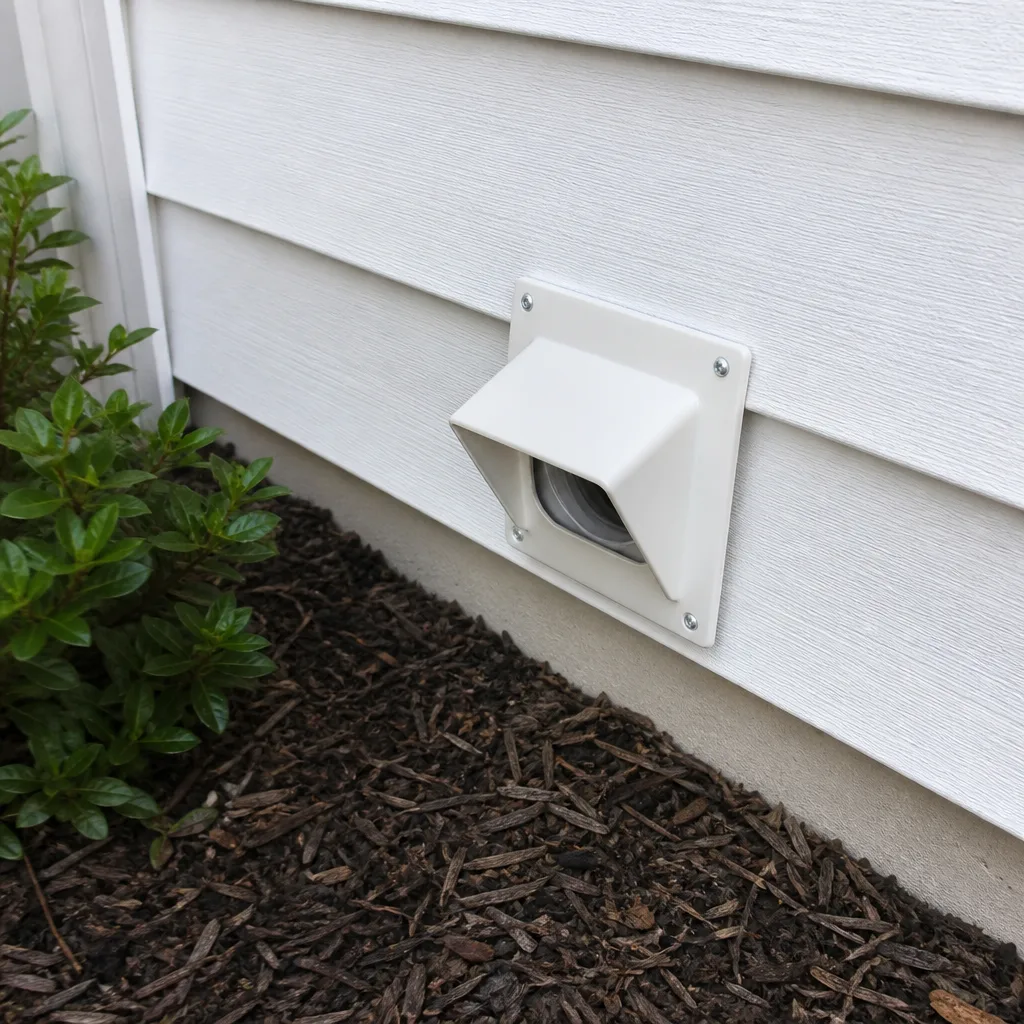
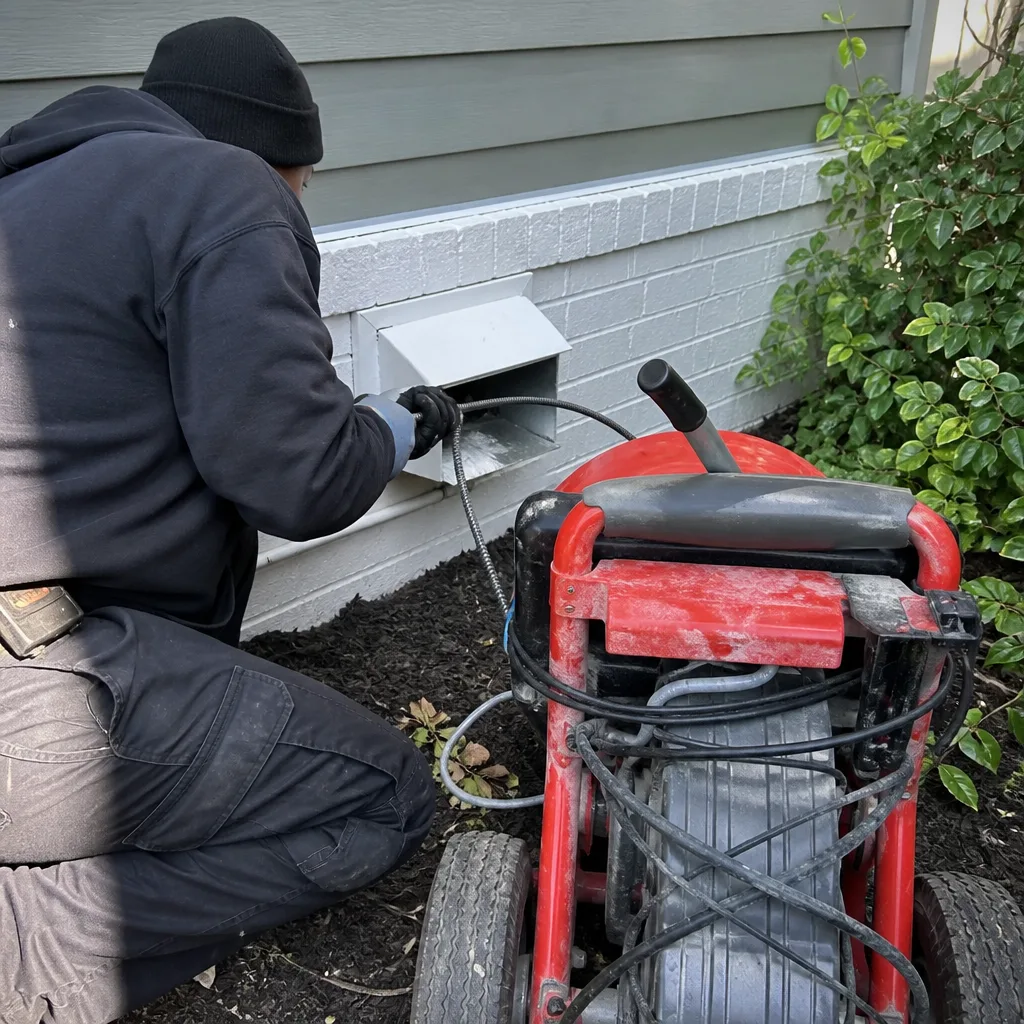
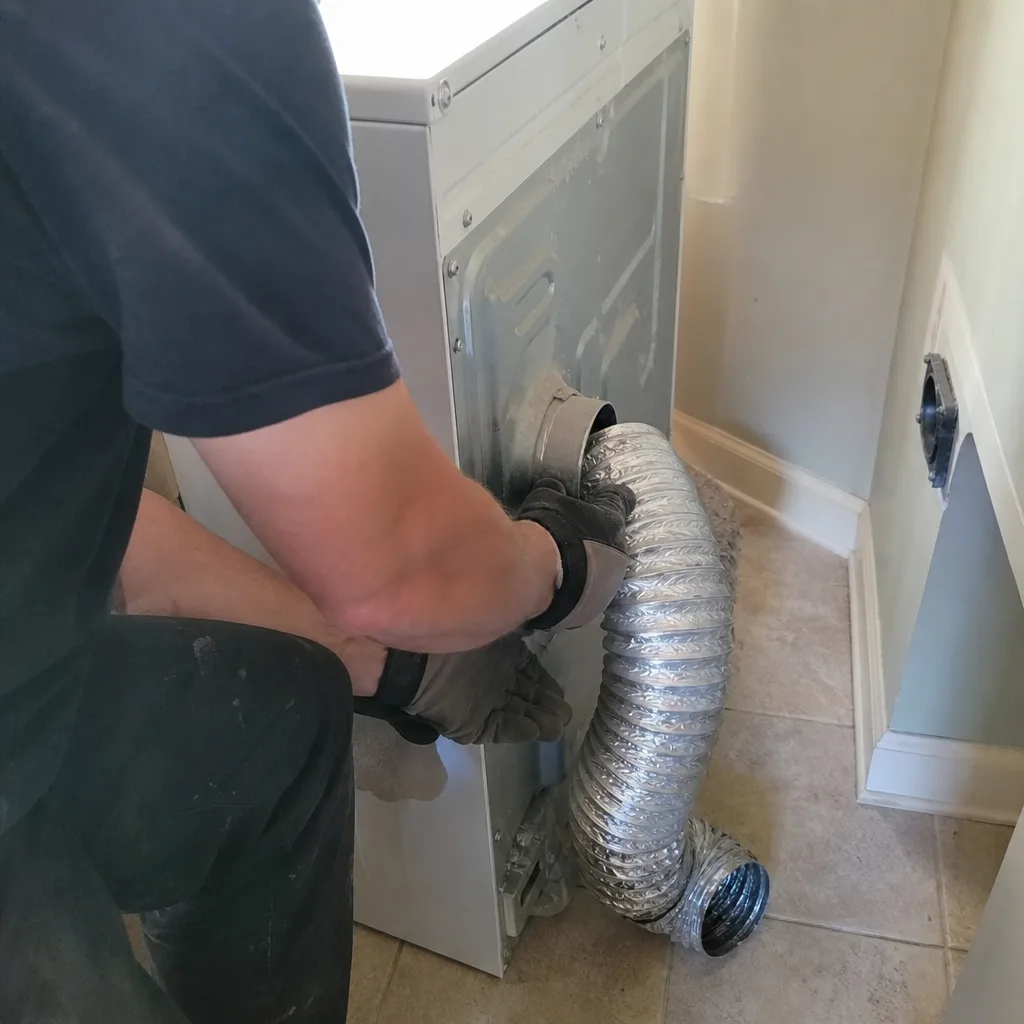
In Ashburn, Dryer Vent Cleaning in Ashburn is a related service that addresses a separate fire-safety hazard; if your dryer vent has not been cleaned in two years, it warrants independent evaluation regardless of duct condition.
CleanRun Air Duct Cleaning Ashburn offers free estimates in Ashburn. Every estimate includes camera inspection, written findings, and a flat price before any work begins. Call (240) 771-1508 to schedule. All calls are answered by a live person, and technicians are background-checked, uniformed, and identified by name before arrival under Haven Standard Clause 3: Verified Crews.
Frequently Asked Questions
Whole-system duct cleaning for a typical single-system Ashburn home ranges from $450 to $850, depending on system size, accessibility, and contamination level. This should include all supply and return runs, not a per-vent price that escalates during the visit. At CleanRun, we deliver one flat price per system in writing before work starts - no exceptions. Call (240) 771-1508 for an exact quote; estimates are free.
Low quotes typically reflect limited scope: only visible registers cleaned, no trunk line access, no photo documentation, or equipment that is essentially a powerful vacuum with no agitation capability. The $79-$149 offers rarely include the full system, and the final invoice often reaches the same $450-$850 range once “additional vents” and “deep cleaning” are added. A written flat price per system, agreed before work starts, protects against this. CleanRun has never offered a coupon price; Haven Standard Clause 1 requires written upfront pricing on every job.
Demand a documented photo record of every duct run, before and after. This has been our standard deliverable since 2013. The photos should show the interior surface of each run, not just the register area. If a contractor cannot or will not provide this, you have no verification that the full system was cleaned. Our photo record is included on every visit, delivered to the customer as part of the job documentation.
For homes without the three documented warning signs, cleaning every 5-7 years is reasonable for maintenance. Homes with pets that shed heavily, recent renovations, or occupants with severe allergies may benefit from more frequent evaluation. In Ashburn’s 1995-2008 flex duct stock, we recommend inspection every 3-4 years due to the compression and moisture vulnerability of that construction era. Cleaning on a fixed schedule without inspection is unnecessary spending.
Register and boot surfaces can be cleaned by a homeowner with a vacuum and brush. Beyond the first 12 inches, duct cleaning requires professional equipment: rotary brushes that navigate elbows, negative-pressure extraction systems that capture dislodged debris, and HEPA filtration that prevents redistribution. More critically, ductwork in unconditioned attics may contain asbestos-containing tape or degraded flex duct that releases fibers when disturbed. We do not recommend homeowner intervention beyond the free first diagnostic described in this guide.
Hard water does not directly affect metal ductwork, but it affects the humidifiers and evaporative coolers sometimes attached to them. Mineral scale from hard water can clog humidifier pads and drain lines, creating moisture backup that affects the plenum and nearby duct surfaces. In Ashburn, with municipal water hardness averaging 7-12 grains per gallon, we inspect humidifier components during duct evaluations and recommend maintenance or descaling when indicated. This is not a duct cleaning issue but a related system maintenance item.
The Bottom Line
Most warning sign lists are designed to create anxiety and phone calls. This guide is designed to create informed homeowners who can distinguish register dust from duct contamination, musty coils from moldy trunks, and compression damage from interior buildup. The three signs that justify professional evaluation are specific and verifiable: visible mold on accessible metal, confirmed pest debris, and post-renovation dust at the boot. Everything else deserves diagnosis before spending. In Ashburn’s specific housing stock, construction era and attic conditions add context that generic advice misses. Perform the free first diagnostic. Photograph what you find. For more guides & resources, visit our blog. Request written pricing and a documented photo record before authorizing any work. The industry has trained homeowners to fear their ducts; better information leads to better decisions and, when work is needed, better outcomes.
Written by Tomas Reyes, Owner at CleanRun Air Duct Cleaning Ashburn, serving Ashburn since 2013.