
Last updated September 22, 2026
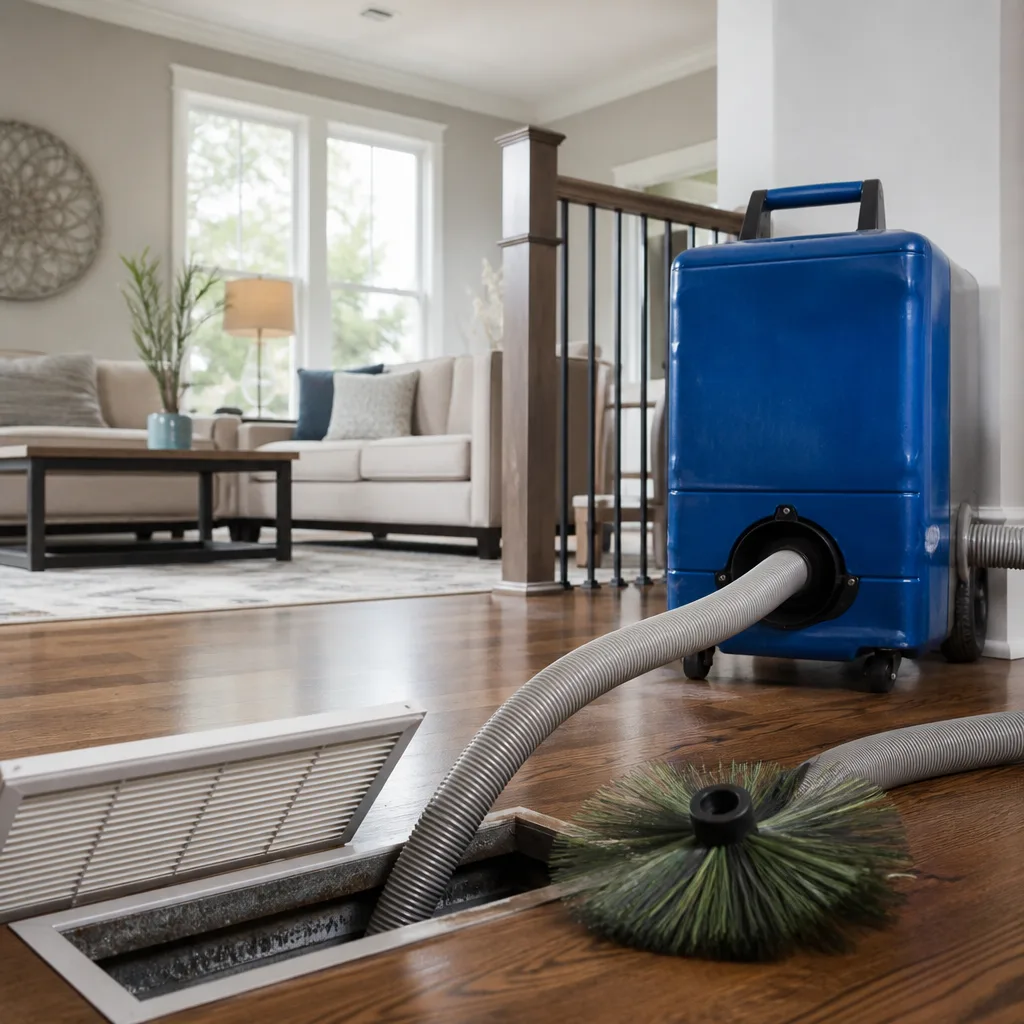
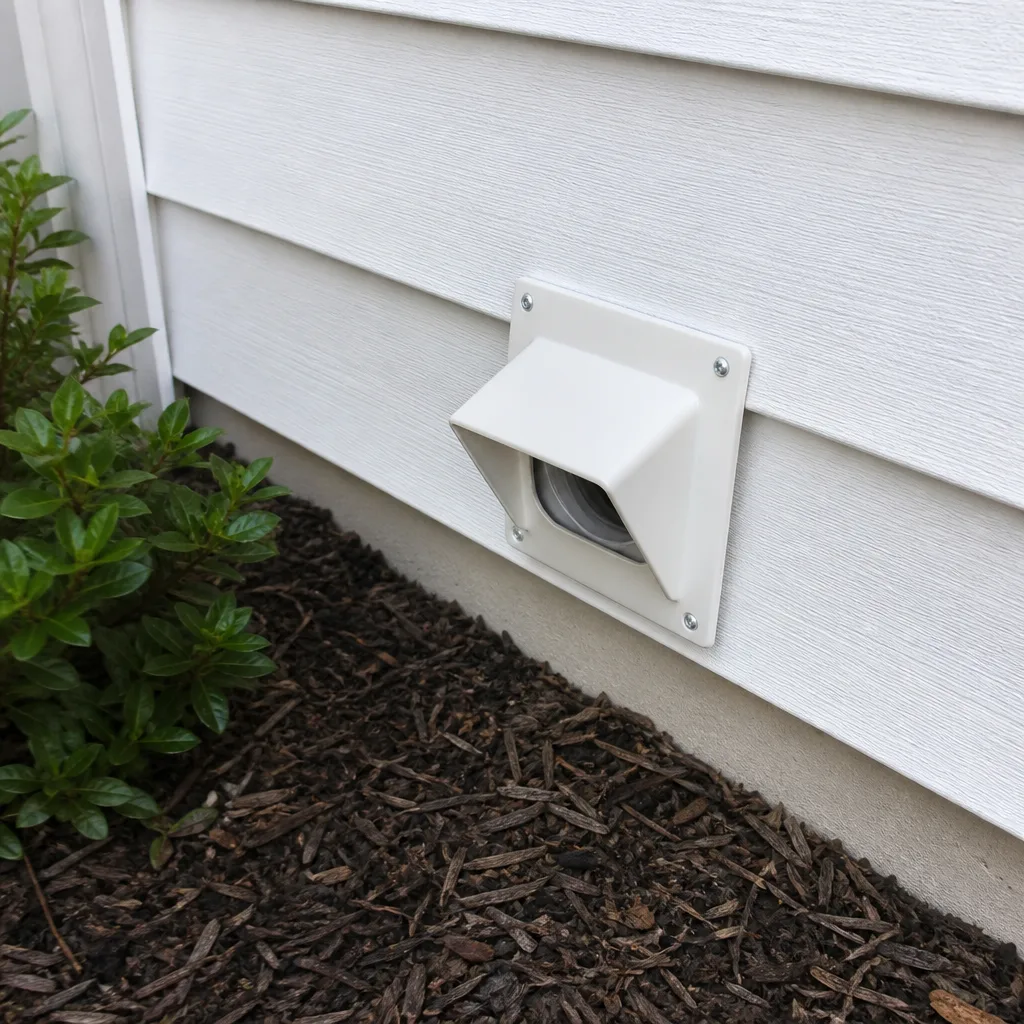
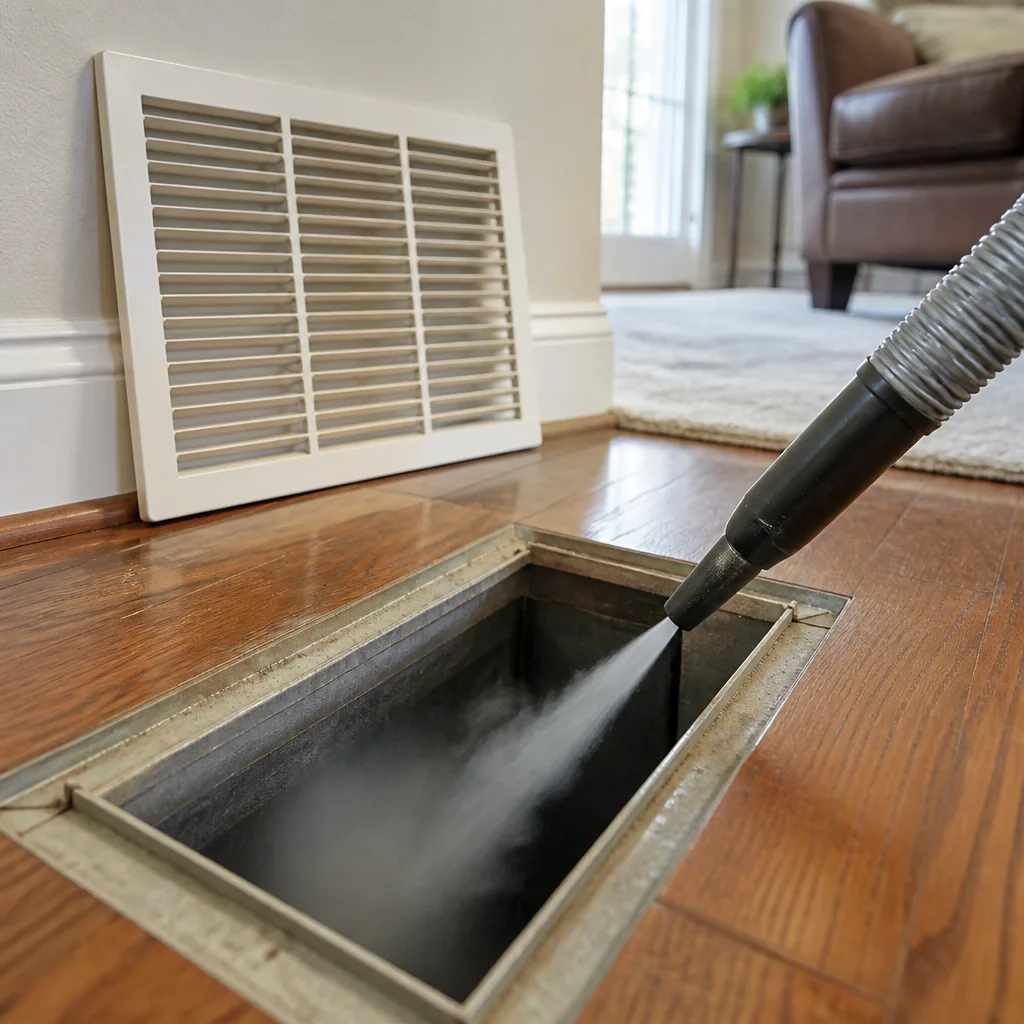
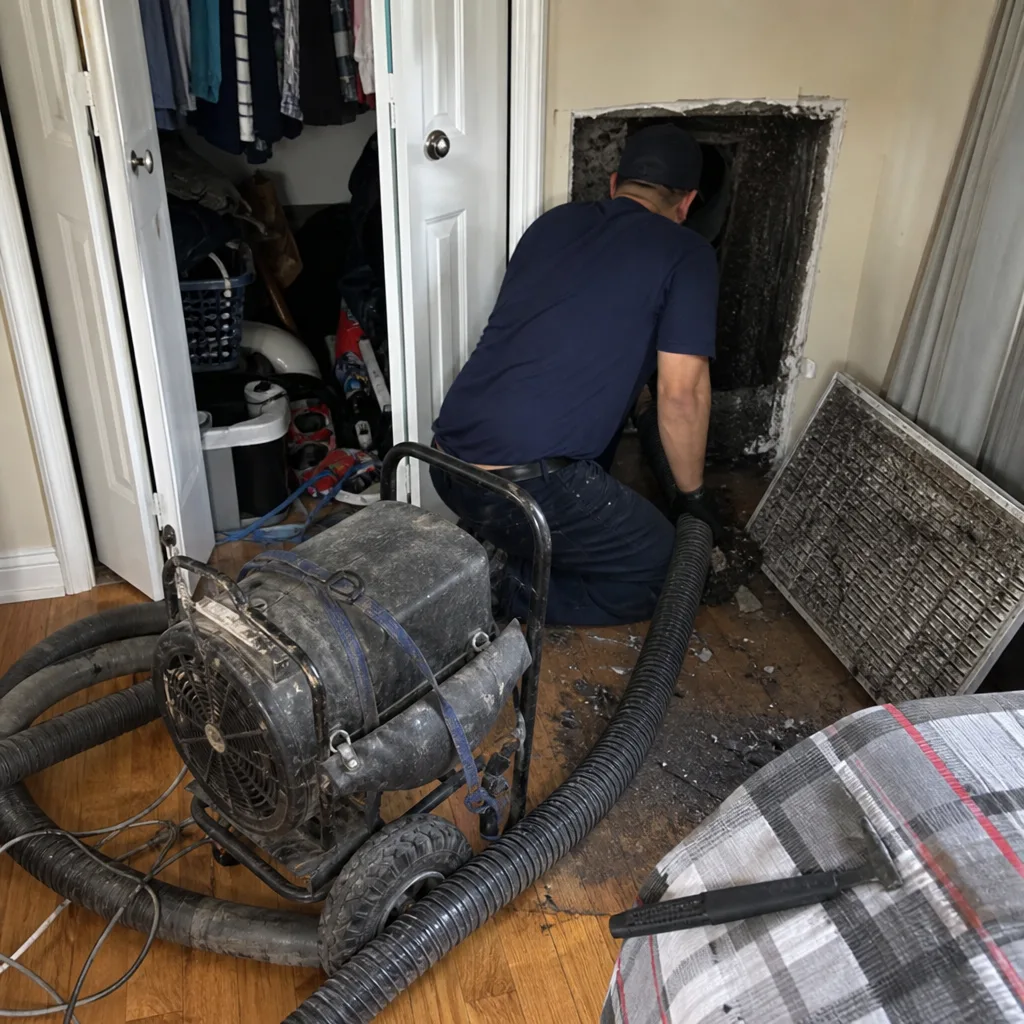
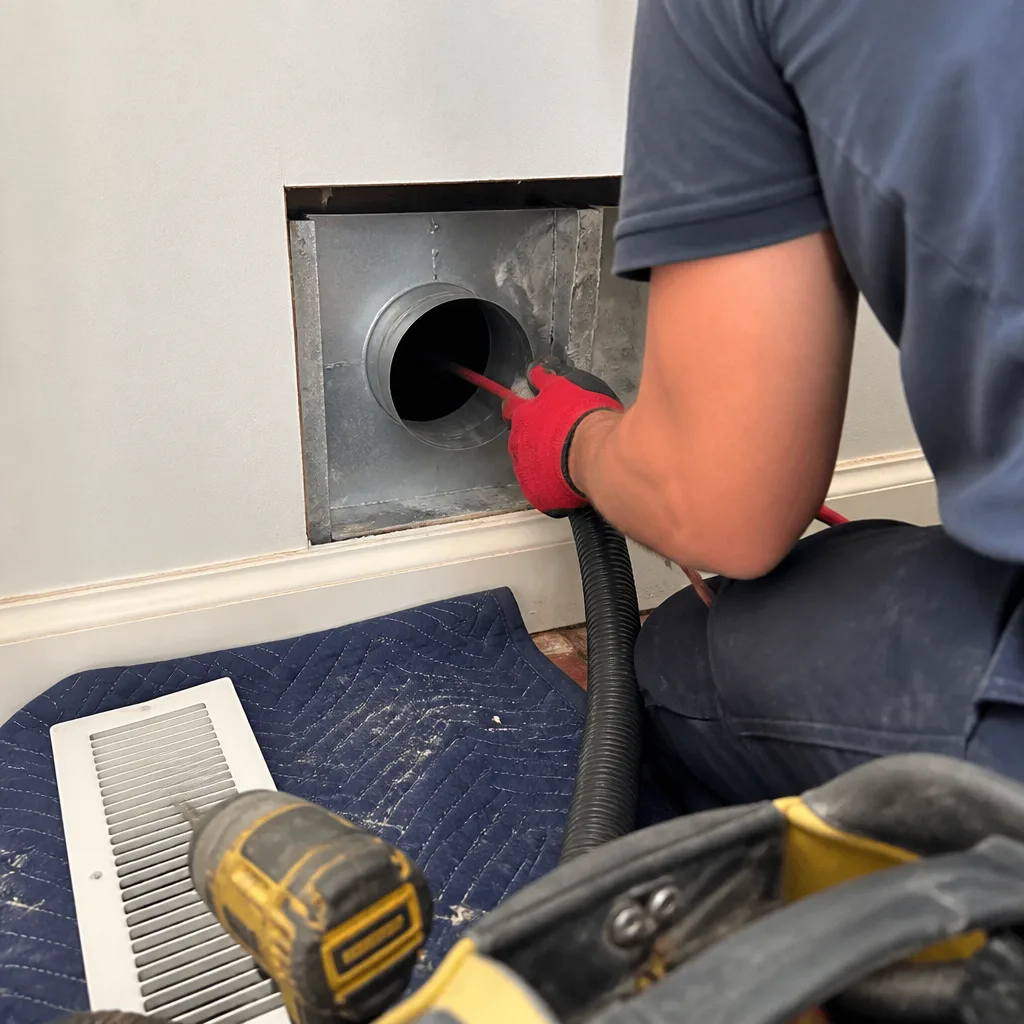
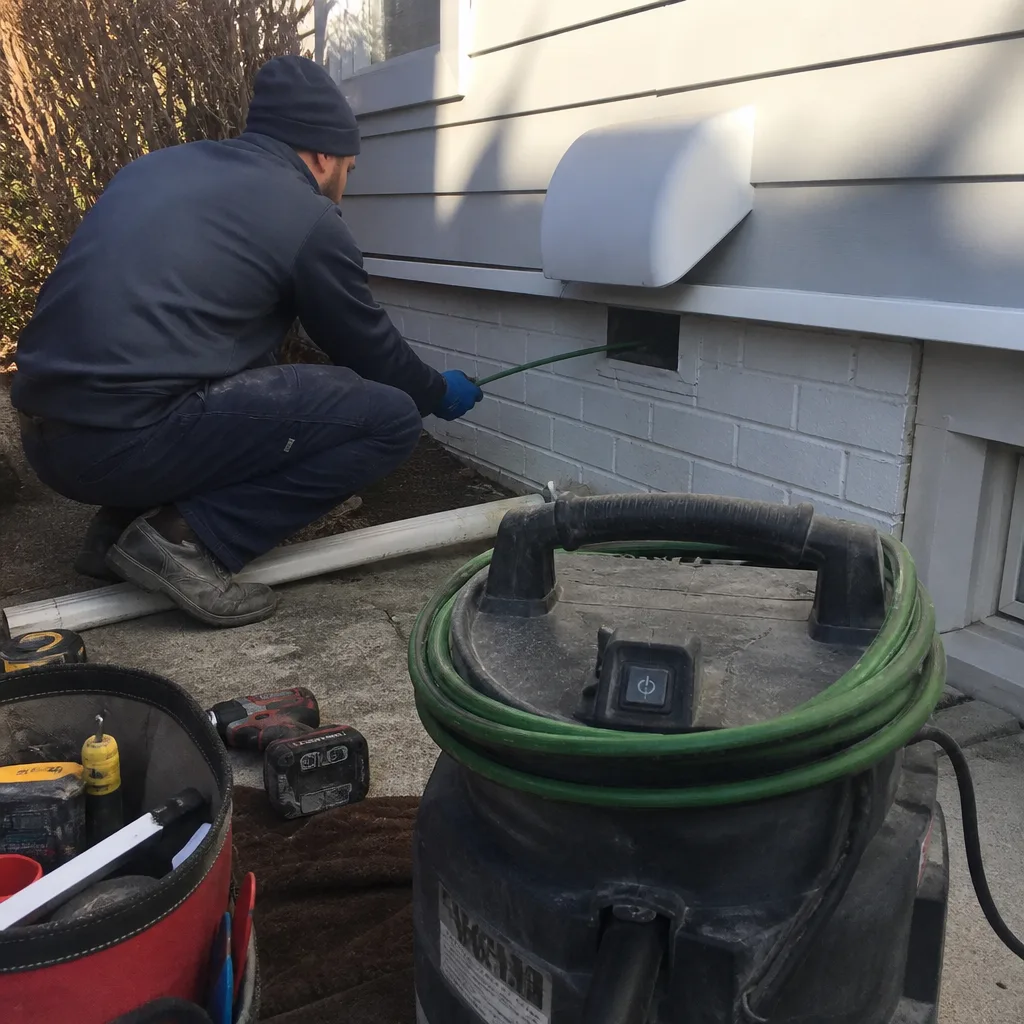
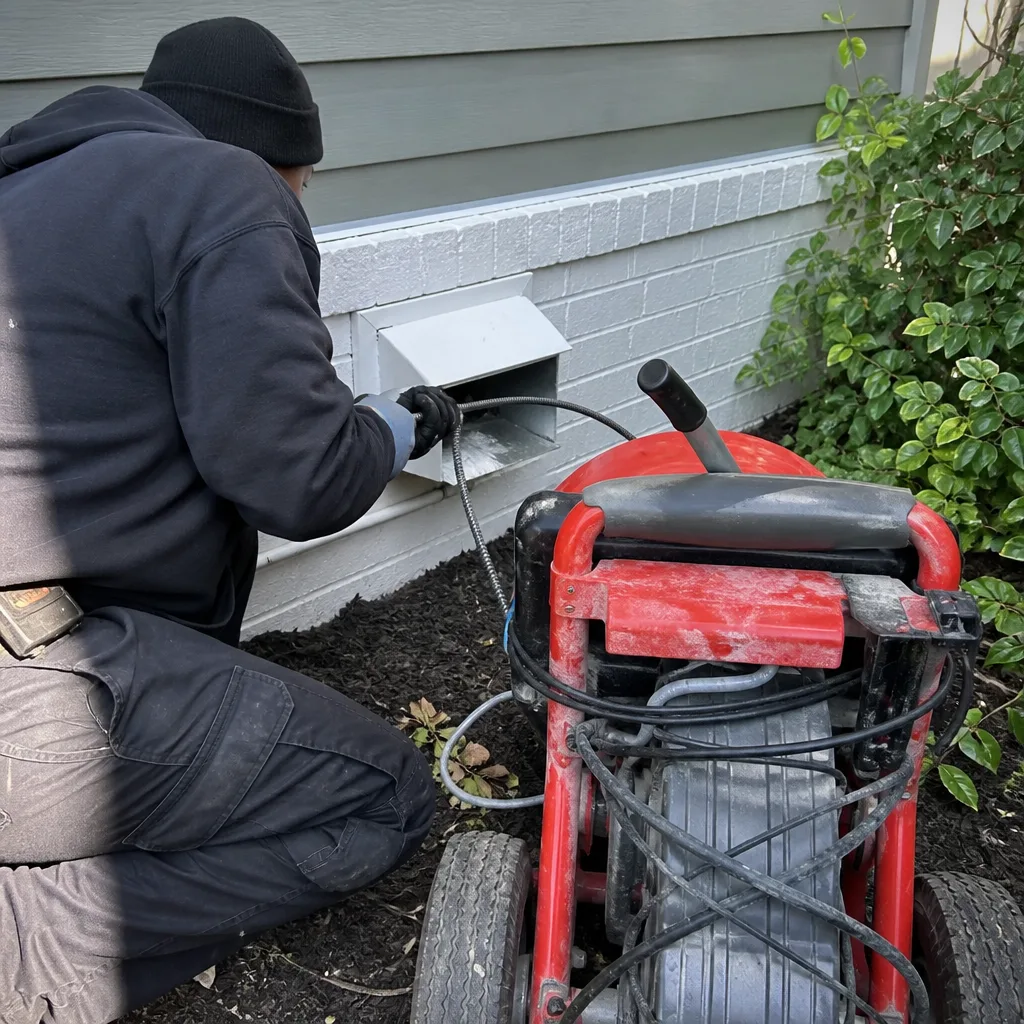
Whole-system duct and dryer vent check with before-and-after photos - you see exactly what came out of your vents
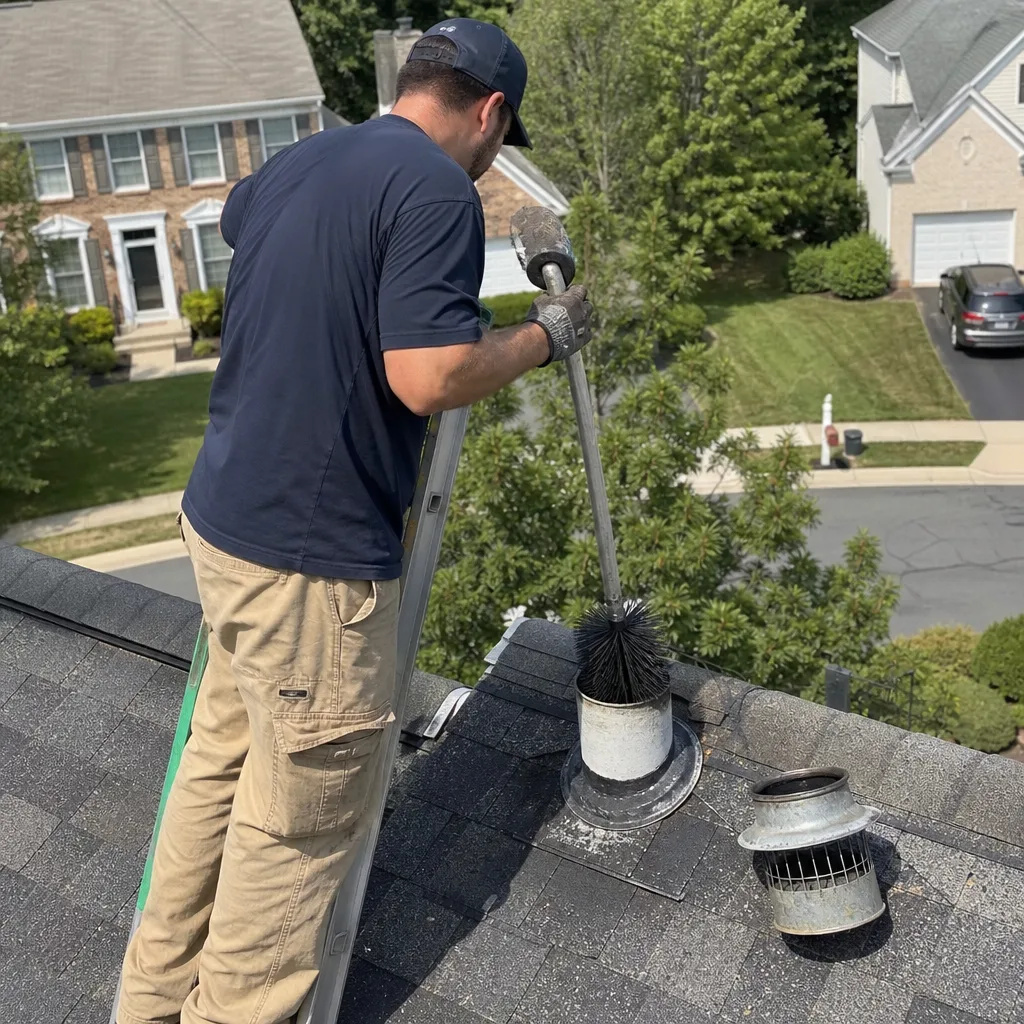
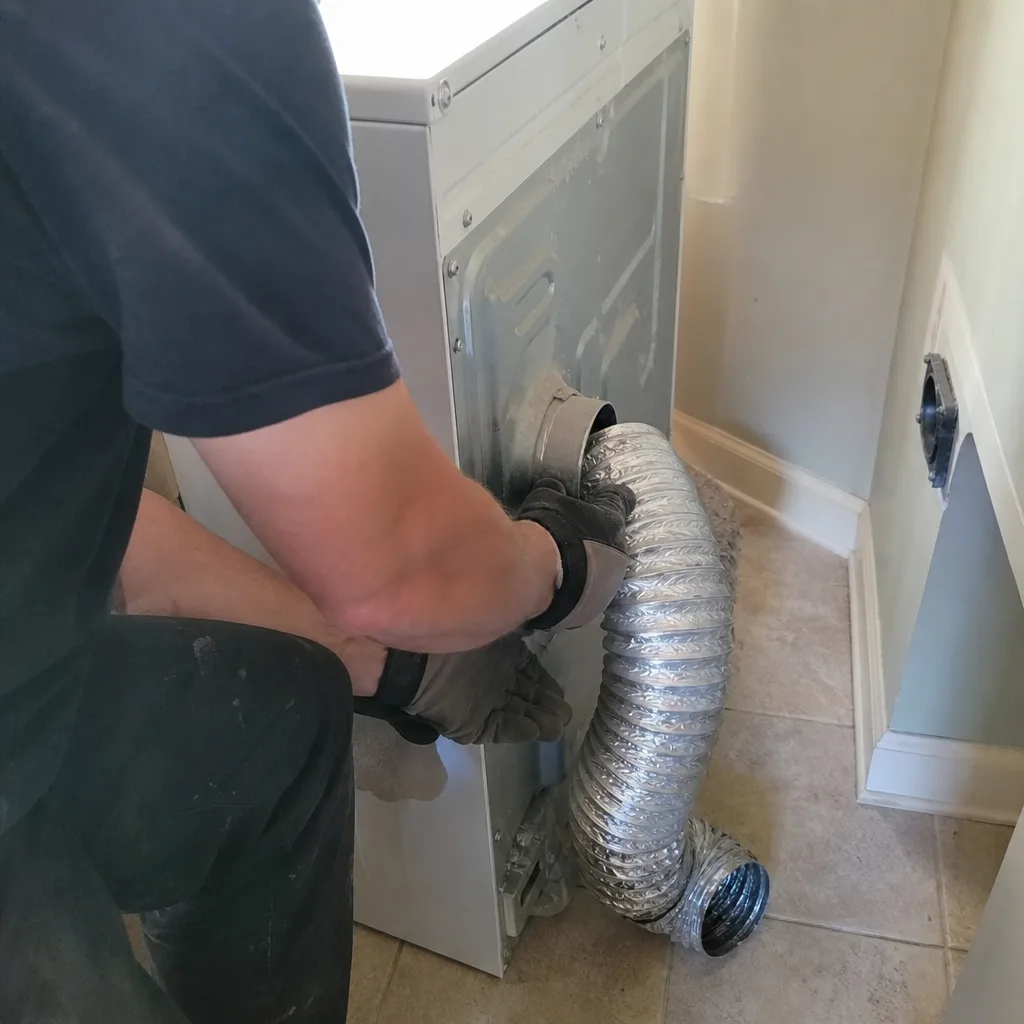
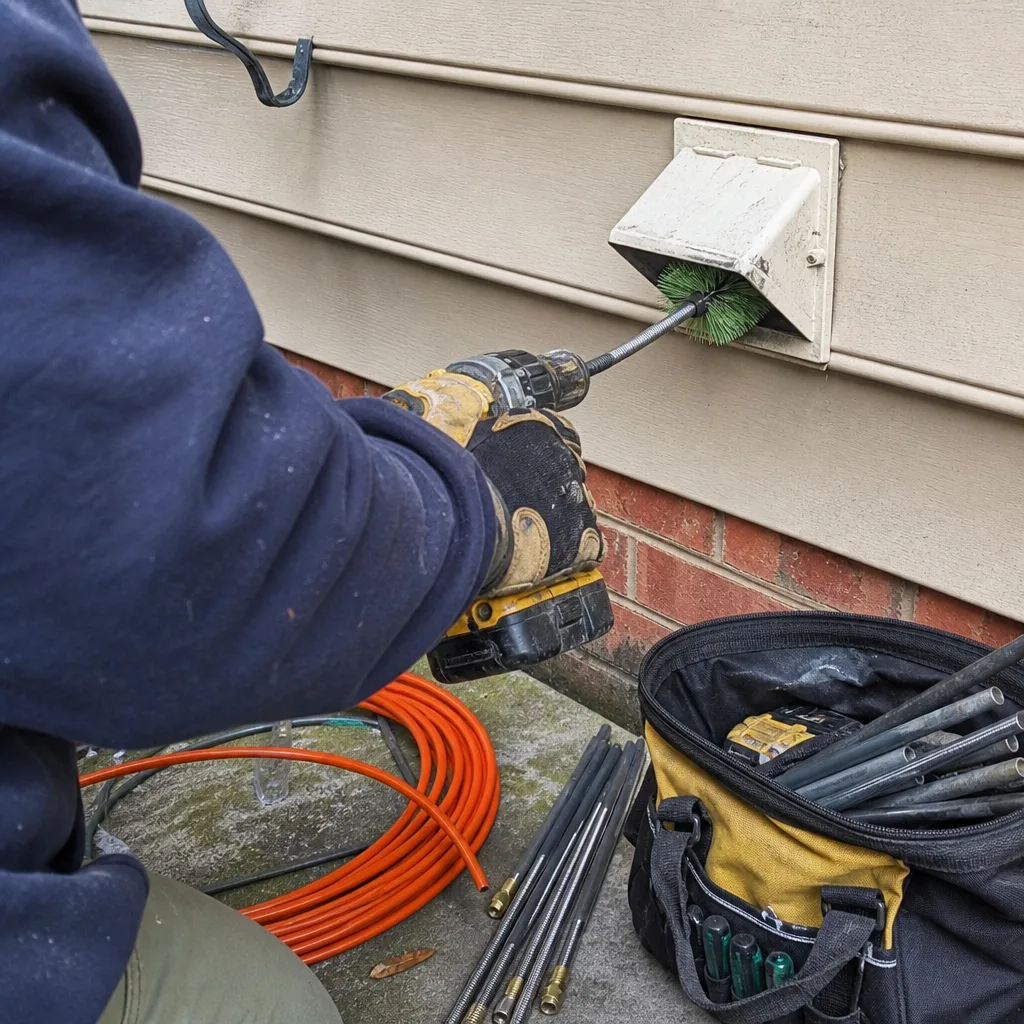
That "$99 whole-house special" is a bait ad - the real number appears once they are in your hallway, or the "clean" is a shop-vac at the register. We photograph the inside of your ducts before and after instead.

 Before
 After
After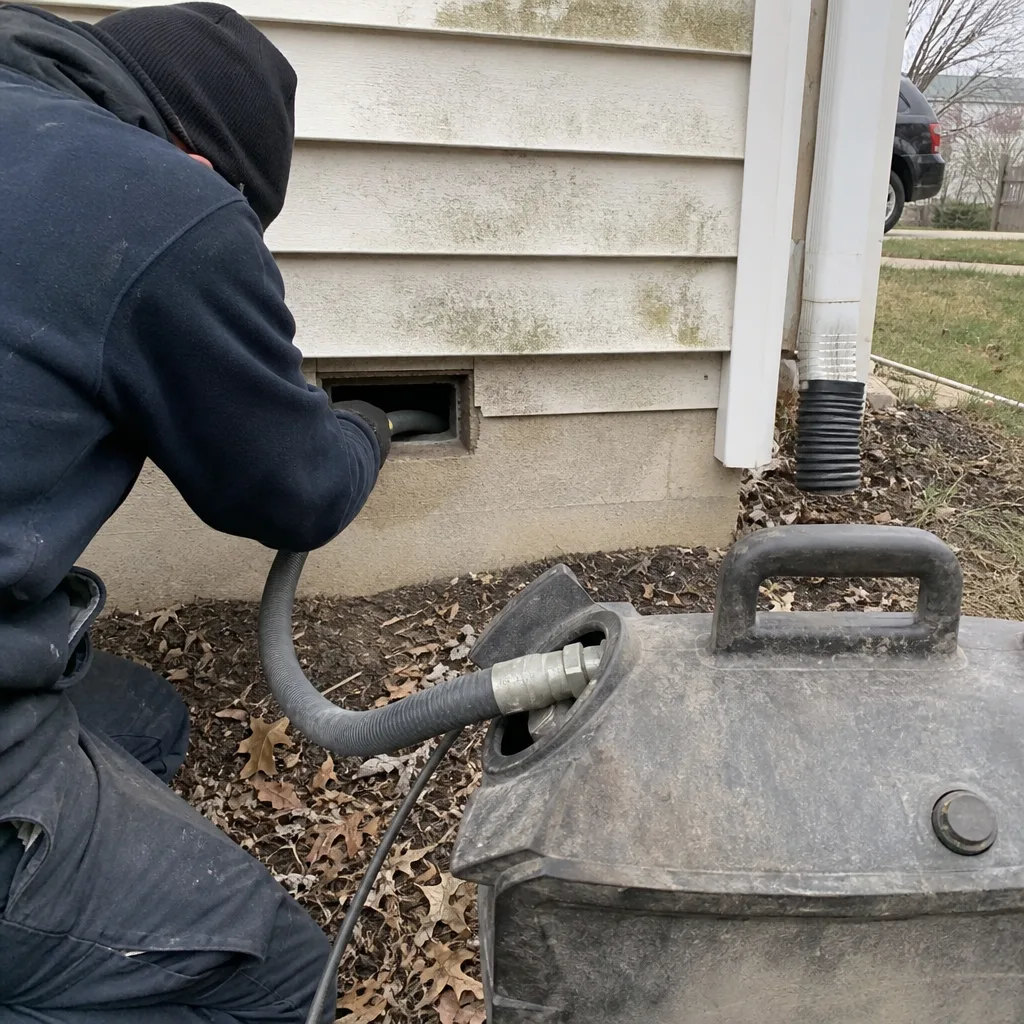 Before
 After
After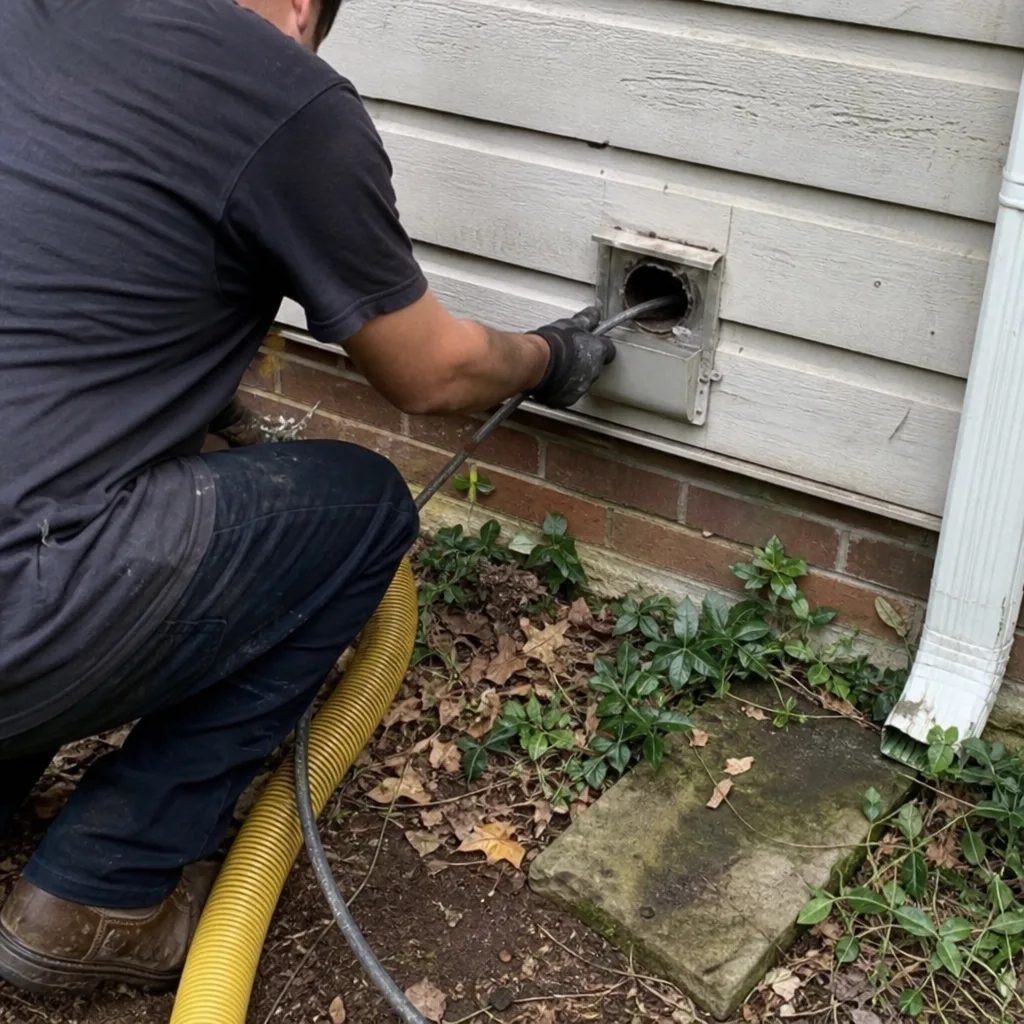 Before
 After
AfterAir Duct Cleaning Maintenance Checklist for Ashburn Homeowners
Changing your MERV-13 filter every 60 days is the one duct maintenance task with documented air-quality impact. Almost everything else marketed as “routine duct maintenance” is either unnecessary, a diagnostic step rather than a cleaning step, or requires equipment no homeowner keeps in their garage. In Ashburn, where Loudoun County’s clay-heavy soil tracks indoors year-round and summer humidity lingers inside flex duct longer than in drier climates, knowing which tasks you can perform and which need a camera inside the ductwork saves both money and false confidence. This guide draws that line precisely, gives you a task-by-task checklist labeled by who can execute it, and shows you what to record at each step so you have your own documentation baseline.
Quick Answer
Ashburn homeowners should replace HVAC filters every 60 days with MERV-11 or higher rated media, visually inspect register grills monthly for debris accumulation, and schedule Air Duct Cleaning services with camera verification only when visible mold, pest evidence, or airflow reduction occurs. Tasks requiring professional equipment include negative-pressure extraction, rotary brush contact cleaning inside duct runs, and plenum inspection. The rest is homeowner maintenance or unnecessary.
Table of Contents
- Ashburn Conditions That Accelerate Duct Fouling
- Homeowner-Executable Tasks: The 60-Day Cycle
- Visual Inspection Tasks: What to Record Yourself
- Professional-Only Tasks: Camera and Equipment Required
- How to Read Your Filter at 30 Days to Estimate Duct Conditions
- What to Photograph at Every Register Before Calling Anyone
- Maintenance Intervals With Research Support vs. Industry Invention
- Common Mistakes to Avoid
- When to Call a Professional
- Frequently Asked Questions
BeforeAfterAshburn Conditions That Accelerate Duct Fouling
Ashburn sits on Loudoun County’s characteristic red clay soil, which tracks indoors on footwear and pet paws at rates higher than sandy or loam-based regions. That clay dries to fine particulate, becomes airborne during normal HVAC cycling, and settles in duct runs at the first elbow or change in airflow velocity. We’ve photographed 2- to 4-inch debris build-ups at first elbows in Ashburn homes less than five years old, particularly in neighborhoods south of Route 7 where construction on the corridor was active through 2024.
The second local factor is ongoing development. New construction dust from the Route 7 corridor, the Ashburn Metro extension area, and continued residential build-out in Brambleton and Loudoun Valley does not stay outside. It enters existing homes through open windows, door seals under negative pressure, and the HVAC system’s fresh-air intake. In homes built between 2015 and 2020, we’ve found construction debris inside duct runs that was clearly original to the build, not accumulated over time, because the builder’s duct protection was removed prematurely.
Third, summer humidity in Ashburn averages 65-75% from June through September. That moisture condenses inside flex duct routed through unconditioned attic spaces, particularly in homes with R-6 or thinner duct insulation. The condensation does not drain completely; it pools at low points and binds dust into matted deposits that standard airflow cannot dislodge. This is why we distinguish between “dirty ducts” and “ducts with moisture-damaged debris” when we document conditions with our camera systems.
These three factors, clay soil, construction particulate, and summer humidity, mean Ashburn homeowners should inspect more frequently than generic national guidance suggests, but should not clean more frequently unless camera inspection confirms the need.
Homeowner-Executable Tasks: The 60-Day Cycle
These tasks require no special equipment beyond a flashlight, smartphone camera, and replacement filters. Label each completion date in your calendar.
- Replace or clean the HVAC filter. Use MERV-11 minimum, MERV-13 preferred for homes with allergy-sensitive occupants. In Ashburn’s pollen-heavy spring (March through May), check at 30 days even if the filter is rated for 90. Write the installation date on the filter frame with a marker.
- Walk the return air path. The return path is where your system pulls air back to the handler. Check that return grills are unobstructed by furniture, storage, or closed doors. A blocked return forces the system to pull from leaks in the ductwork, including attic or crawl space air.
- Listen to the system at startup. Unusual whistling at registers indicates filter bypass or duct leakage. Rattling suggests a disconnected duct run, common in Ashburn’s newer subdivisions where settling has occurred since original construction.
- Check the condensate drain line. The PVC pipe exiting your indoor air handler should flow freely during cooling season. A clogged drain raises humidity inside the plenum and promotes microbial growth on downstream duct surfaces.
- Verify outdoor condenser clearance. Maintain 18 inches clear on all sides. The condenser draws air that ultimately cycles through your ductwork; debris pulled through a dirty condenser coil enters the system.
None of these tasks opens the ductwork. None requires a professional. All of them affect what enters your ducts and what your system must process.
Visual Inspection Tasks: What to Record Yourself
These tasks require removing register grills and using a flashlight and smartphone to document conditions. You are not cleaning; you are establishing evidence. Do this quarterly in Ashburn, given the local soil and humidity factors.
At each supply register:
- Remove the grill. Most lift off or have two screws. Photograph the duct opening before you disturb anything.
- Shine a flashlight straight down the duct run. Note visible debris depth, color, and texture. Clay soil appears reddish-brown and fine. Construction debris includes larger particulate, sometimes wood or drywall fragments. Mold appears as irregular spotting on metal surfaces, not loose debris.
- Photograph any visible debris. Include a coin or ruler in the frame for scale.
- Check the register boot, the metal transition from duct to wall or floor, for gaps where it meets the finished surface. These gaps pull unconditioned attic or wall cavity air into your supply air.
- Replace the grill. Note if it fits loosely or requires force, a sign of duct misalignment.
At the return air grill:
- The return path is typically larger and more accessible. Remove the filter and photograph the filter frame and the duct opening behind it.
- Heavy debris accumulation at the return indicates either inadequate filtration or duct leakage upstream pulling unfiltered air.
- Note any odors. Musty smells at the return suggest microbial activity in the return duct or the air handler cabinet, not necessarily the supply ductwork.
Store these photos with dates. They are your documentation baseline. When a service company tells you your ducts “need cleaning,” you have comparative evidence from your own inspection.
Professional-Only Tasks: Camera and Equipment Required
These tasks cannot be performed safely or effectively by homeowners. The distinction matters because Ashburn’s service market includes operators who perform “visual inspections” with a flashlight at the register opening and call it a duct assessment.
Camera inspection of full duct runs. A borescope or duct inspection camera on a flexible rod reaches past the first elbow to document conditions throughout the run. In Ashburn’s ranch-style homes with long attic trunk lines, the critical debris zone is often 15-20 feet from the register, invisible from the opening. We deliver these photos to customers as part of our standard job record.
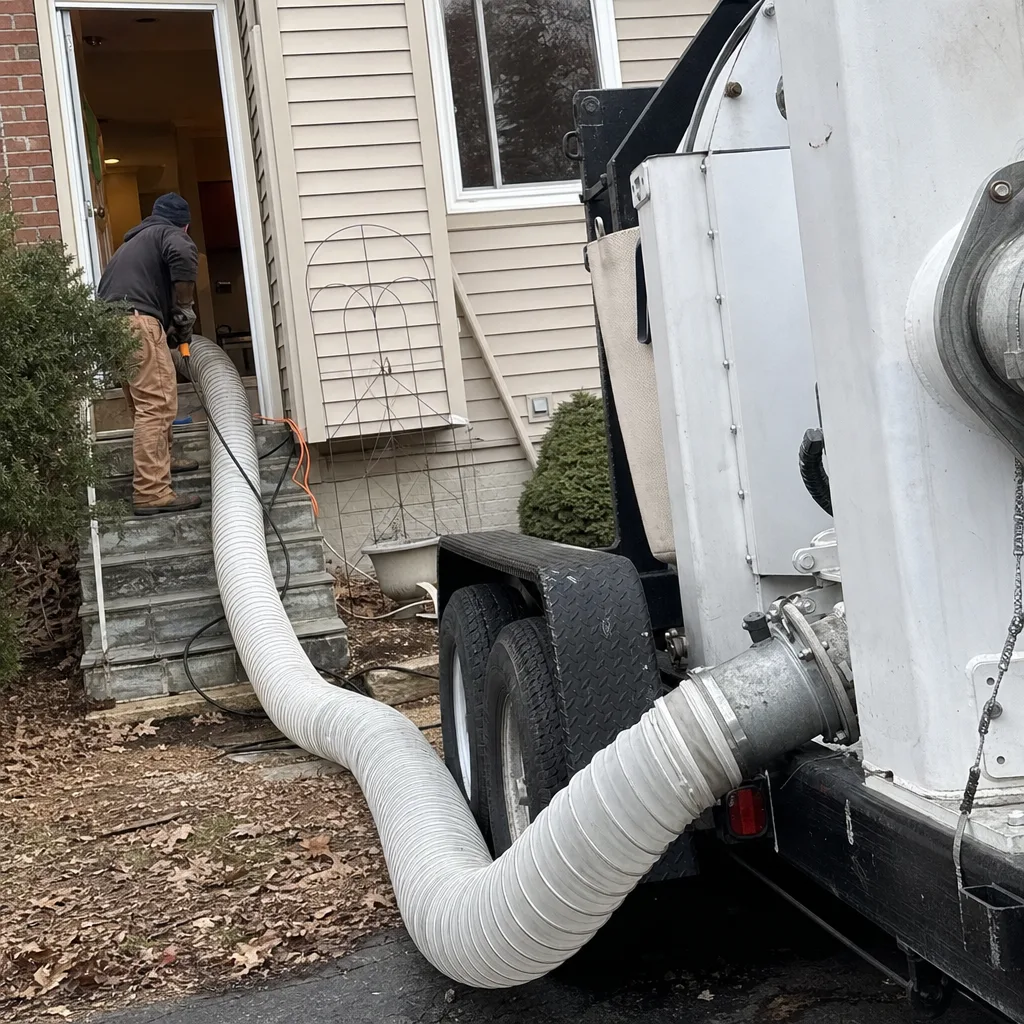
Negative-pressure extraction. This is the method NADCA (National Air Duct Cleaners Association) recognizes as effective: a vacuum port attached to the ductwork creates suction throughout the system while agitation tools dislodge debris. Shop vacuums and register-level suction do not achieve the airflow volume or sealed-system pressure differential required. Our equipment roster includes Nikro and Abatement Technologies negative-pressure systems, brands customers can verify independently.
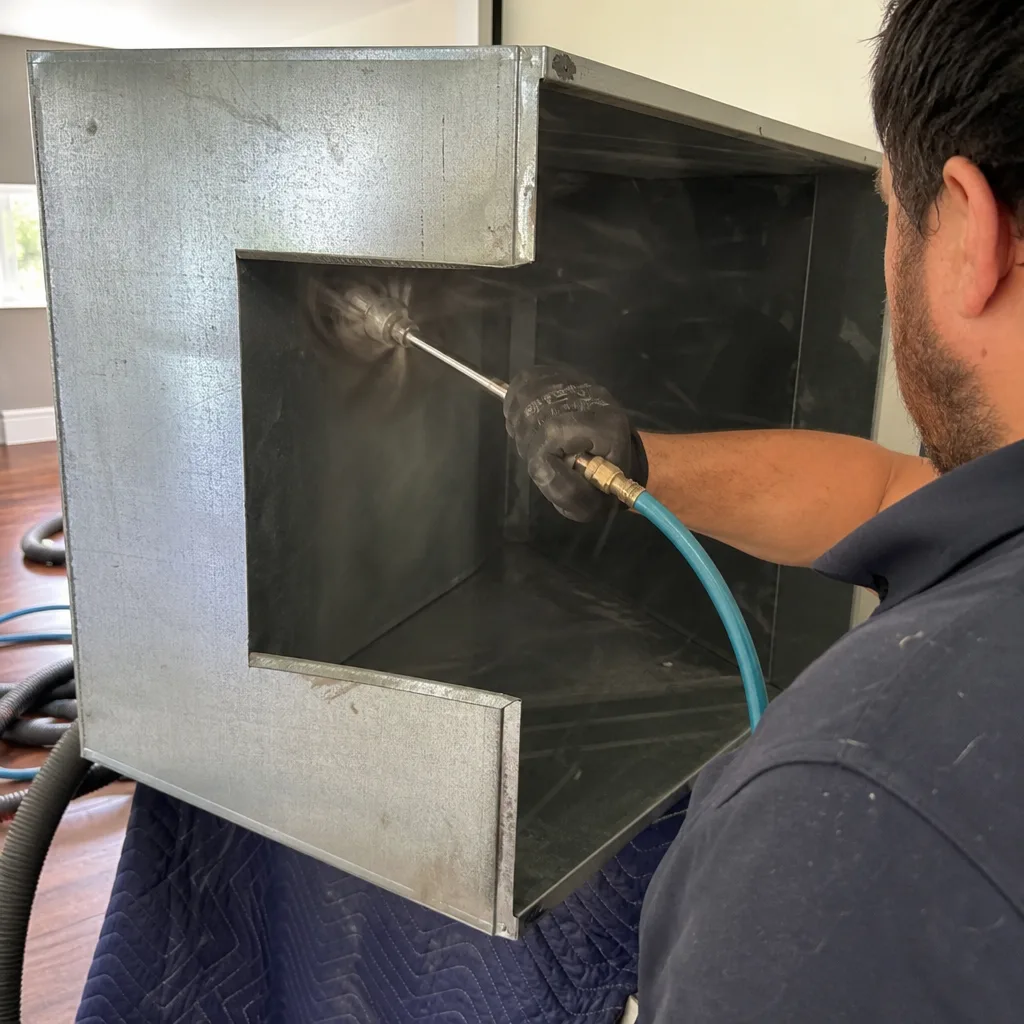
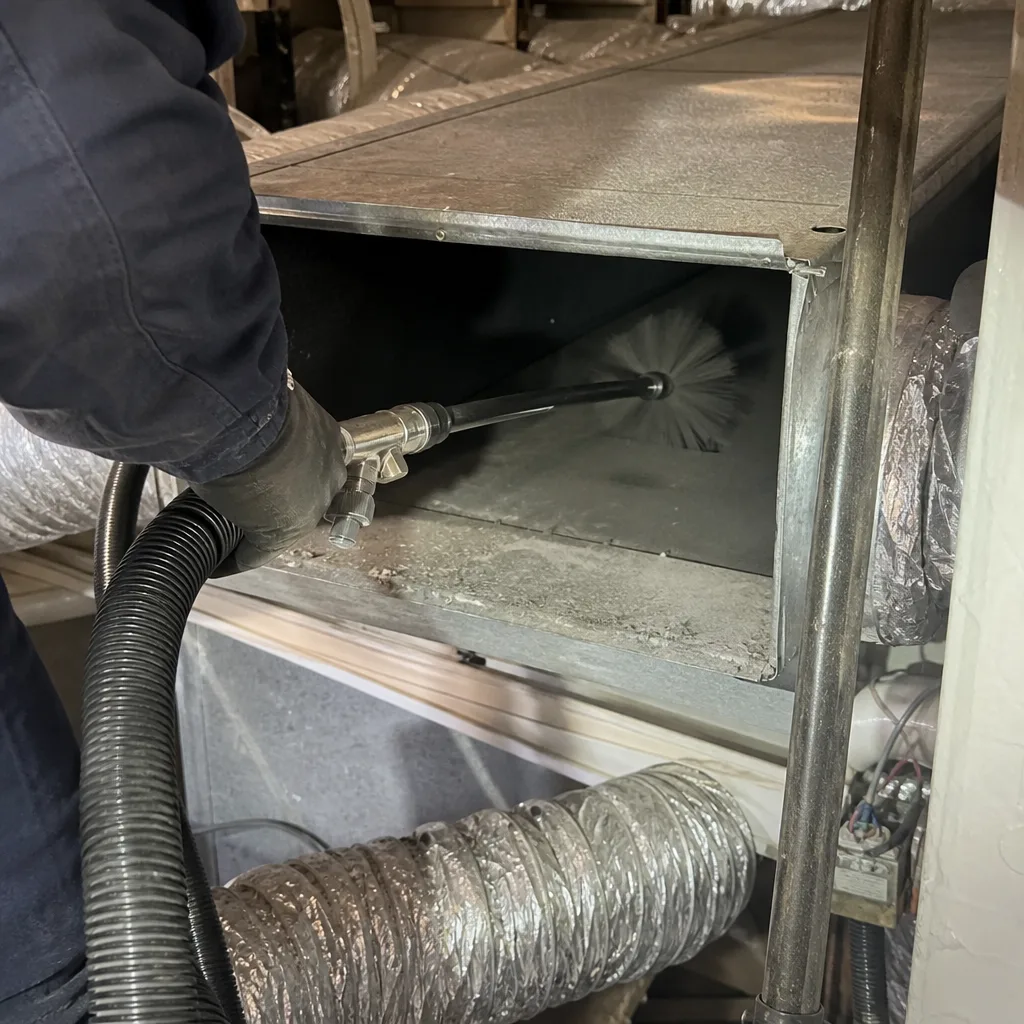
Rotary brush contact cleaning. A powered brush on a flexible cable makes physical contact with duct interior surfaces. This is the only method that removes adhered debris, as opposed to vacuuming loose material. We use Rotobrush systems for this purpose, with brush sizing matched to duct diameter.
Plenum and air handler inspection. The plenum, the large metal box distributing air from the handler to the duct runs, requires panel removal and often involves electrical components. In Ashburn, we regularly find moisture staining in the plenum of homes with undersized condensate pans or improper slope on drain lines.
Duct repair and sealing. Disconnected duct runs, common in homes where settling has occurred, require mechanical reconnection and sealing with mastic or foil tape rated for duct applications. Standard household tape degrades rapidly and increases leakage.
Sanitizing treatment. If microbial growth is confirmed, EPA-registered sanitizers applied through fogging or misting equipment treat the affected surfaces. This is not a routine maintenance step; it is a response to confirmed contamination documented by camera.
How to Read Your Filter at 30 Days to Estimate Duct Conditions
Your HVAC filter is a passive sampling device. What it captures at 30 days indicates what has passed through or bypassed it to settle in your ductwork.
Remove the filter at day 30 and photograph it against a white background. Assess four characteristics:
- Loading pattern. Even gray coating across the media indicates normal operation. Dark streaks or heavy loading at the edges indicate filter bypass, air moving around rather than through the media. Bypass means unfiltered air is entering your ductwork.
- Debris color. Reddish-brown loading suggests clay soil particulate, common in Ashburn. Black or oily loading indicates combustion byproducts if you have a gas furnace, or outdoor pollution if your fresh air intake is near a busy road. White or fibrous loading suggests degraded duct liner or filter media breaking down.
- Depth of loading. Surface dusting is normal. Visible debris embedded in the media depth indicates high particulate load, which correlates with faster duct accumulation. In Ashburn’s spring pollen season, we’ve seen MERV-13 filters reach 50% capacity in 21 days.
- Structural integrity. Sagging, warping, or media separation from the frame indicates excessive pressure drop, often from a filter too restrictive for the system’s designed airflow. This forces leakage at duct joints and filter cabinet gaps.
If your 30-day filter shows heavy edge loading, structural deformation, or embedded debris, shorten your replacement interval and schedule a camera inspection of the return duct. The filter is telling you what your ducts are receiving.
What to Photograph at Every Register Before Calling Anyone
Before contacting any duct cleaning service, create your own documentation package. This prevents bait-and-switch pricing based on “worse than expected” conditions and gives you a basis for comparing quotes.
At each register in your home, take three photos:
- Grill exterior. Shows dust accumulation pattern, which indicates airflow direction and velocity at that register. Heavy dust on the underside of horizontal blades suggests downward airflow with particulate settling on the upper surface.
- Duct opening with flashlight. Shows visible debris depth and type. Include scale. In Ashburn’s newer homes, we often find construction debris fragments visible 6-12 inches down the run, original to the build and never cleaned.
- Boot-to-surface gap. Shows thermal bypass potential. A visible gap between the metal boot and the drywall or floor means your system is conditioning attic or wall cavity air, not just circulating indoor air. This is not a cleaning issue; it is an efficiency and comfort issue that sealing addresses.
Label each photo with room name, date, and register dimensions (typically stamped on the grill frame). Store in a dated folder.
When you receive a quote, ask how the price was determined. If the estimator did not inspect your ductwork with a camera, the price is approximate at best. At CleanRun Air Duct Cleaning Ashburn home, we provide written pricing only after camera inspection, per Haven Standard Clause 1. We also offer a Free Second Opinion on any competitor’s written estimate, placing our documented findings and price next to theirs.
Maintenance Intervals With Research Support vs. Industry Invention
The duct cleaning industry has invented maintenance intervals that generate recurring revenue without research support. Here is what the evidence actually shows, and what Ashburn conditions modify.
Supported by research:
- Filter replacement: Every 60-90 days for standard 1-inch pleated media, shortened to 30-45 days during high-pollen periods or with pets. EPA and ASHRAE guidance converges here; the filter is the primary defense.
- Condensate drain clearing: Annually before cooling season. Clogged drains are the leading cause of humidity-related microbial growth in residential HVAC.
- Camera inspection after visible events: Water intrusion, pest activity, or renovation work. These are trigger events, not calendar events.
Not supported by research:
- Annual duct cleaning as routine maintenance. NADCA states ducts should be cleaned “as needed,” not on a schedule. The EPA explicitly states routine cleaning has not been shown to prevent health problems. We agree; we do not sell maintenance contracts or scheduled cleanings without documented cause.
- “Spring and fall” cleaning cycles. No peer-reviewed study supports biannual cleaning for typical residential systems. This interval appears to have originated with service companies seeking predictable revenue.
- Sanitizing treatments without confirmed microbial growth. EPA-registered sanitizers are pesticides; their label directions require visible contamination. Routine application without cause is off-label use and unnecessary chemical exposure.
Ashburn-specific modification: The local clay soil and construction dust factors described earlier mean Ashburn homeowners should inspect more frequently, but should not clean more frequently unless inspection confirms need. The inspection interval is quarterly; the cleaning interval is event-driven.
Our 365-Day Done Right Promise reflects this: if we clean your ducts and conditions warrant earlier re-inspection, we document why and do not sell unnecessary repeat service. The promise is backed in writing on every job, not stated in marketing copy alone.
Common Mistakes to Avoid
- Buying MERV-16 or HEPA filters for standard residential systems. These create excessive pressure drop, forcing filter bypass and duct leakage. Most Ashburn homes built 2015-2020 have systems designed for MERV-8 to MERV-11. Check your equipment manual or the filter cabinet label for the maximum rated filter.
- Using register-level “duct cleaning” tools. Brush attachments on household vacuums, sold at hardware stores, reach only the first 12-18 inches of duct run and often compact debris deeper into the system rather than removing it.
- Ignoring the return side. Homeowners focus on supply registers where conditioned air exits. The return path, where air is pulled back to the handler, typically has heavier debris loading and is where leakage draws unfiltered attic air.
- Accepting “free inspections” that are sales presentations. A legitimate camera inspection takes 45-90 minutes and produces dated, labeled photos of each duct run. A 15-minute walkthrough with a flashlight is not an inspection; it is a prelude to a generic quote.
- Sealing registers with the HVAC running. Some homeowners attempt to improve efficiency by closing vents in unused rooms. This increases pressure in the ductwork and forces leakage at joints, particularly in Ashburn homes with flex duct susceptible to disconnections under pressure.
- Assuming new construction means clean ducts. In Ashburn’s Brambleton and Loudoun Valley neighborhoods, we’ve documented construction debris in homes less than two years old. Builder-grade duct protection is often removed for final HVAC testing and not replaced, or trades use duct openings as disposal during construction.
- Confusing duct cleaning with HVAC maintenance. Coil cleaning, blower motor service, and refrigerant checks are HVAC technician tasks, not duct cleaner tasks. A company offering both should have distinct qualifications and pricing for each scope.
When to Call a Professional
Call a professional when your own documentation shows conditions beyond homeowner scope: visible mold on duct interior surfaces, debris depth exceeding 1/4 inch that restricts airflow, disconnected duct runs indicated by whistling or temperature imbalance between rooms, or pest evidence including droppings or nesting material. For details on regulatory requirements, see our guide to Air Duct Cleaning Permits, Codes & Inspections in VA: What You Need to Know.
In Ashburn, we also recommend professional camera inspection if your home was built 2015-2020 and has never had ductwork inspected, given the construction debris we’ve documented in that cohort. Learn the warning signs in our Air Duct Cleaning Warning Signs: A Ashburn Homeowner’s Reference Guide. Homes near active Route 7 corridor development should be inspected if you notice increased dust accumulation despite regular filter changes.
When you call, ask specific questions: What camera system do you use? Do you provide dated, labeled photos of every duct run before and after? Is your price written and fixed before work begins? What equipment brands are on your truck? At CleanRun Air Duct Cleaning Ashburn, we answer with: Rotobrush and Nikro rotary systems, Abatement Technologies negative-pressure equipment, Honeywell and Aprilaire air quality components, and Guardsman protective products. Every job starts with a written price under Haven Standard Clause 1 and concludes with a Documented Photo Record included as standard.
Air Duct Cleaning in Ashburn from CleanRun includes free estimates. Call (240) 771-1508 to schedule camera inspection and written pricing.
Frequently Asked Questions
Whole-system duct cleaning for a typical Ashburn home ranges from $450 to $850 depending on system size, accessibility, and documented debris conditions. Per-vent pricing is a common bait-and-switch structure; we quote one flat price per system agreed before work starts, with no add-ons once the crew arrives. Call (240) 771-1508 for an exact quote; estimates are free.
$79 to $149 quotes typically cover register-level vacuuming with a shop vac, not full-system negative-pressure extraction with rotary brush contact cleaning. The low price is recovered through upsells for “mold treatment,” “sanitizing,” or “extra vents” once the technician is in your home. Ask for written scope and equipment specifics before comparing prices.
Require dated, labeled before-and-after photos of every duct run, delivered as part of the job record. At CleanRun, our Documented Photo Record is standard on every visit, not an add-on. If a company cannot show you photos from inside your specific ductwork, you cannot verify the work occurred.
No fixed calendar interval is supported by research. Inspect quarterly; clean when camera inspection confirms debris accumulation affecting airflow or air quality. In Ashburn, clay soil and construction dust may accelerate accumulation, but inspection, not assumption, should drive the decision.
You can maintain filters, clear condensate drains, and visually inspect register openings. You cannot perform negative-pressure extraction, rotary brush contact cleaning, or camera inspection of full duct runs without professional equipment. Attempting to access the plenum or air handler cabinet risks electrical hazard and duct damage.
Humidity increases the risk of moisture-damaged debris and microbial growth, particularly in flex duct with inadequate insulation. It does not automatically mean more frequent cleaning; it means more frequent inspection of condensate management and duct insulation condition. In Ashburn’s summer months, check your condensate drain monthly and inspect the plenum area for moisture staining annually.
The Bottom Line
Effective duct maintenance in Ashburn is a tiered system: homeowner tasks every 60 days, visual inspections quarterly with your own photo documentation, and professional camera-based service only when inspection confirms need. For more guides & resources, explore our blog. The $79 coupon model collapses this into a single undifferentiated “cleaning” that cannot be verified and often cannot be trusted. Your filter at 30 days tells you what your ducts are receiving. Your own photos at every register give you evidence no salesperson can override. And a written price before any work starts, with dated photo documentation when the crew leaves, is the only structure that aligns the company’s incentive with your actual need.
For HVAC Cleaning in Ashburn or Dryer Vent Cleaning in Ashburn, the same documentation standards apply. Call CleanRun Air Duct Cleaning Ashburn at (240) 771-1508 for a free estimate with written pricing, camera inspection, and no obligation.
Written by Tomas Reyes, Owner at CleanRun Air Duct Cleaning Ashburn, serving Ashburn since 2013.